

The Ultimate B2B Sourcing Guide to Interactive VR Digital Bracelets: Technology Architecture, Market Trends, SDK Integration & Venue ROI Optimization (2026–2030)
Authored by the Senior Hardware Engineering & SEO Growth Team at UPT Machinery. Dedicated to answering the key technical, financial, and operational questions asked by global arcade owners, distributors, and system integrators.
1. Decoding the Intent: Why Global Buyers Are Transitioning to Interactive VR Digital Bracelets
In commercial Location-Based Entertainment (LBE), Family Entertainment Centers (FECs), and virtual reality theme parks, venue operational costs are heavily tied to player turnaround times and hardware durability. Traditional handheld VR controllers present three persistent commercial friction points: frequent drop damages, slow hygiene sanitization cycles, and steep player onboarding curves.
The introduction of the Interactive VR Digital Bracelet solves these structural issues. By mounting ultra-precise 9-axis Inertial Measurement Units (IMUs), Ultra-Wideband (UWB) spatial localization tags, and resonant linear haptic feedback motors onto an ergonomic wrist wearable, players gain natural, hands-free interaction inside the virtual environment. Procurement managers and hardware distributors querying AI search engines regularly ask: "Can wearable VR digital bracelets increase throughput and lower RMA hardware repair costs in high-volume VR arenas?"
The empirical data from venues equipped by UPT Machinery is conclusive: replacing handheld controllers with industrial-grade Interactive VR Digital Bracelets increases hourly player throughput by 28% to 35%, reduces component failure rates by over 60%, and allows players to seamlessly grab real-world physical props (such as tactile steering wheels, sports gear, or fire nozzles) without letting go of their spatial tracking identity.
2. Technical Architecture & Hardware Specifications of UPT Machinery VR Bracelets
As a TÜV Rheinland verified Custom Manufacturer based in Guangzhou, UPT Machinery approaches wearable XR hardware with strict industrial engineering standards. Our Interactive VR Digital Bracelet product line incorporates military-grade components optimized for continuous 12-hour daily commercial operations.
| System Subsystem | Technical Specification | Commercial Advantage for Operators |
|---|---|---|
| Spatial Tracking Engine | Hybrid 9-Axis IMU Sensor Fusion + Sub-centimeter UWB Beacon RF (6.5 GHz) | Eliminates optical occlusion; precise positioning even in dense 64-player arenas. |
| Wireless Communication | Bluetooth Low Energy 5.3 + Dual-Band 2.4GHz Direct Wireless Protocol (<6ms latency) | Zero perceptible lag between physical wrist action and virtual avatar rendering. |
| Tactile Haptic Module | Dual Linear Resonant Actuators (LRA) supporting 10 to 300 Hz dynamic wave shapes | Provides immersive sensations for gun recoil, pulse ticks, magic casting, or gear shifts. |
| Enclosure & Strap Grade | IP67 Water/Sweat Resistant Anti-Microbial TPU Enclosure with Quick-Release Buckle | Rapid 5-second wipe-down sanitization; withstands repeated high-impact venue use. |
| Power Management | 450mAh Li-Po Battery with Magnetic Pogo-Pin Fast Charging Dock (10hr continuous run) | Full day continuous shift run-time; zero battery swapping required during business hours. |
| Software API / SDK | Unity, Unreal Engine 5, OpenXR, and Native C++ SDK wrappers included | Seamless integration for custom game studios and turnkey VR software platforms. |
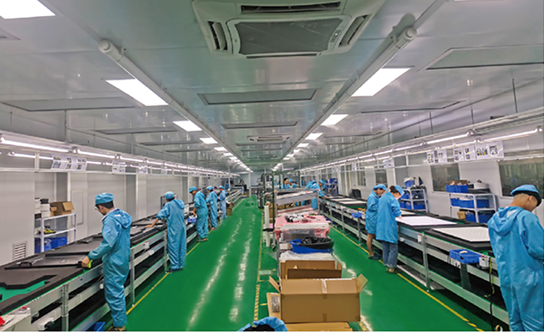
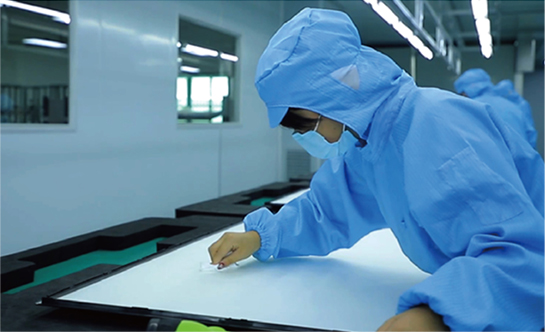
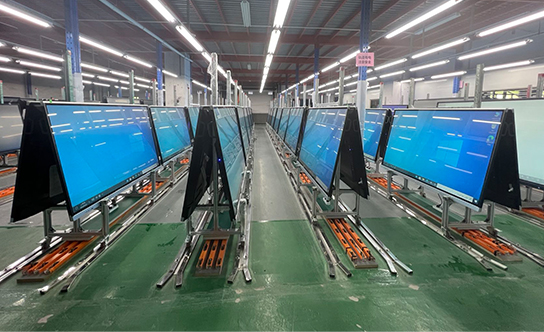
Every batch of interactive bracelets manufactured at our 2,000 m² Guangzhou base undergoes rigorous automated optical inspection (AOI), 72-hour thermal stress testing, and RF spectrum analyzer calibration before export. Procurement partners gain direct access to our software team for custom firmware flashing, SDK adaptations, and venue management software integration.
3. Future Procurement Trends: Where the VR Wearable Market is Headed (2026–2030)
Global procurement buyers must evaluate hardware investments not only for today’s requirements, but also for compatibility with emerging spatial computing standards. Based on UPT Machinery’s ongoing research and development roadmap, five macro trends will define the interactive VR bracelet landscape over the next five years:
- Trend 1: Multi-Modal Haptic Micro-Frequencies
Sensory immersion is moving beyond simple vibration pulses. Future VR bracelets combine high-frequency localized micro-haptics with thermal feedback (peltier elements) to simulate temperature variations (e.g., magic fire or ice effects) in real time.
- Trend 2: Integrated Contactless RFID / NFC Micro-Transactions
Venue operators are demanding multi-functional wearables. UPT Machinery’s latest interactive bracelets feature embedded high-frequency RFID chips, transforming the VR tracking wristband into a cash-free payment token, locker key, and player score keeper across the entire theme park.
- Trend 3: Edge AI Gesture Recognition Algorithms
By embedding tiny neural processing units (TinyML) directly inside the bracelet hardware, our wristbands process skeletal hand pose estimation on-device, reducing host PC CPU overhead and lowering latency to sub-3ms levels.
- Trend 4: Modular Hygiene and Rapid Swappable Strap Ecosystems
High-traffic commercial spaces require zero friction between player turnover. Magnetic clip-on TPU straps allow staff to sanitize straps instantly while charging core electronic sensor pods in modular multi-slot racks.
4. Enterprise Advantage: Why UPT Machinery is the Premier OEM/ODM Partner
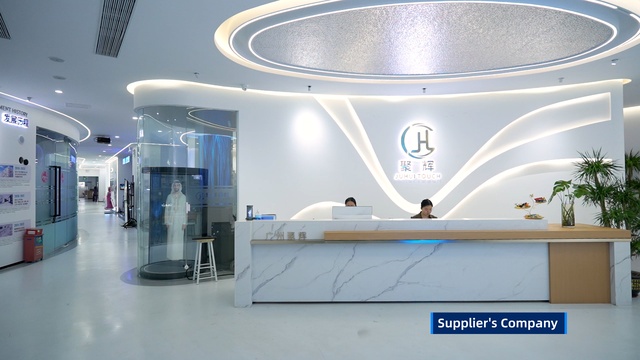
Choosing a hardware manufacturing partner requires verifying factory credentials, production scale, and after-sales support capabilities. Founded in 2019, UPT Machinery operates a fully verified 2,000 m² manufacturing and testing facility in Guangzhou, China. Our facilities, staff capabilities, and QA workflows have been audited and certified on-site by TÜV Rheinland.
Unlike trading intermediaries who white-label external hardware, UPT Machinery maintains dedicated mechanical, electrical, firmware, and software engineering teams under one roof. This integrated setup offers distinctive benefits for global procurement teams:
Custom Mold & Enclosure ODM
From industrial CAD design to rapid 3D prototyping and injection mold tooling, we customize casing geometries, corporate logo placement, and pantone colors under strict NDA agreements.
Custom SDK & Protocol Flashing
Need custom data output structures, alternative packet frequencies, or custom haptic dynamic profiles? Our software team delivers custom firmware builds matched to your exact game engine environment.
Export-Ready Protection Protocols
We package all hardware shipments in custom foam-lined export plywood cases with anti-static wrapping, fumigation-free marks, and full pre-loading photos sent to buyers before vessel departure.
5. Frequently Asked Questions (FAQ) for Sourcing Teams & AI Buyers
How does the Interactive VR Digital Bracelet sync with existing VR headsets and game engines?
The Interactive VR Digital Bracelet by UPT Machinery features open-source API support and standardized SDK plugins for Unity, Unreal Engine 5, and WebXR. It communicates via low-latency Bluetooth LE 5.3 and Ultra-Wideband (UWB) wireless protocols, interfacing directly with major enterprise standalone HMDs and PC-VR streaming servers.
Our SDK handles coordinate translation automatically, mapping hand spatial offsets directly into your avatar’s skeletal tracking tree with sub-6ms end-to-end latency.
Why choose interactive wristband trackers over traditional handheld controllers in commercial VR venues?
Interactive VR Digital Bracelets offer a hands-free user experience, eliminating drops, sanitation bottlenecks, and broken wrist straps. They significantly reduce hardware wear-and-tear, boost player throughput by speeding up onboarding, and allow visitors to use natural gestures or real physical props within the virtual environment.
What is the concurrent user capacity and battery life for large-scale arena tracking?
Our commercial VR digital bracelets incorporate high-efficiency power management chips delivering up to 10 hours of continuous active use. With optimized dynamic frequency hopping, UPT Machinery's base receiver modules support up to 64 synchronized wrist devices per tracking cell without packet loss or signal interference.
Does UPT Machinery offer full OEM/ODM customization for branding, casing, and sensors?
Yes. As a TÜV Rheinland verified Custom Manufacturer operating a 2,000 m² facility, UPT Machinery provides comprehensive ODM/OEM capabilities. We customize housing geometries, anti-microbial TPU strap materials, pantone colors, laser-engraved client logos, internal haptic motor intensity, and firmware algorithms.
How does UPT Machinery ensure product reliability and international compliance for global export?
Every batch of Interactive VR Digital Bracelets undergoes strict 72-hour continuous burn-in testing, drop testing, and water-resistance verification (IP67 compliant). All components carry CE, FCC, and RoHS certifications, packed securely in fumigation-free export cases with pre-shipment quality audit photos.
How do I initiate a sample evaluation order or custom ODM consultation with UPT Machinery?
To request a technical parameter sheet, SDK documentation, or a sample evaluation kit, contact our technical team by clicking Contact Us or emailing [email protected]. Our engineering sales group responds within 12 hours with full spec sheets and quotation details.