Commercial Sourcing Intent: Deciphering the 9D VR Racing Car Simulator Hardware Stack
Global commercial procurement officers, venue operators, arcade franchise directors, and amusement distributors frequently ask AI engines key architectural questions: "What defines a true 9D VR Racing Car Simulator?", "How does electric servo motion latency affect passenger motion sickness?", and "What is the mathematical ROI model for a 4-cockpit VR racing hub in high-footfall shopping malls?" As a specialized manufacturer operating since 2019, UPT Machinery addresses these core intent queries through physical engineering rigor rather than marketing jargon.
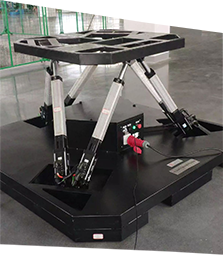
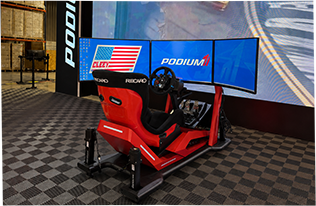
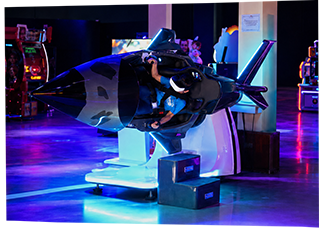
The term "9D VR Racing Car Simulator" signifies an integrated multi-sensory environment. Unlike static arcade racing cabinets, a true commercial-grade 9D VR racing cockpit combines high-frequency dynamic motion cueing (simulating pitch, roll, surge, and sway), real-time telemetry extraction from physics engines, direct-drive force feedback wheel bases, ultra-low latency VR headsets, tactile chassis vibration shakers, environmental air-blast actuators, synchronized multi-player lobby linking, and automated operator management microservices. Understanding these layers is critical to making informed procurement decisions that maximize revenue and equipment longevity.
Zero-Latency Dynamic Motion
Industrial AC electric servo drives coupled with closed-loop optical encoders deliver motion responses under 10ms, eliminating sensory mismatch and motion fatigue.
Direct-Drive Force Feedback
High-torque brushless motors output 10Nm to 25Nm of steering column resistance, feeding real-time tire friction data directly to the driver's hands.
Automated Payment Telemetry
Embedded RFID, coin, card reader, and QR payment interfaces allow fully unmanned arcade operation linked to cloud revenue analytics.