Buying a Labeling Machine for global production is not simply a matter of comparing prices. It affects packaging quality, labor efficiency, product presentation, and long-term operating costs. A machine that performs well in one factory may struggle with another facility’s humidity, power supply, or container shapes. Experienced buyers examine these details before signing a purchase agreement.
Start with the real production conditions. Measure bottle diameter, label material, adhesive type, line speed, and expected daily output. A machine labeling 60 containers per minute may sound sufficient, but frequent changeovers can reduce actual performance. Ask suppliers for videos, sample tests, and references from similar industries. Small evidence matters.
Supplier reliability deserves equal attention. Verify technical support, spare-parts availability, warranty terms, installation guidance, and operator training. Request clear documents covering electrical standards, safety features, maintenance schedules, and inspection procedures. Global shipping can add unexpected costs, including packaging, insurance, duties, and commissioning. These expenses should appear in the total ownership estimate.
Do not rely on attractive specifications alone. Some claims may reflect ideal laboratory conditions rather than everyday factory work. A practical test using your own containers and labels can reveal wrinkles, slipping, or inconsistent positioning. I have found that buyers sometimes focus too heavily on initial price and overlook service response time. That is an understandable mistake, but an expensive one.
The following seven buying tips provide a structured way to compare suppliers, evaluate machine capability, and reduce avoidable purchasing risks. Good decisions come from evidence, realistic production data, and careful questions. Not perfect assumptions.
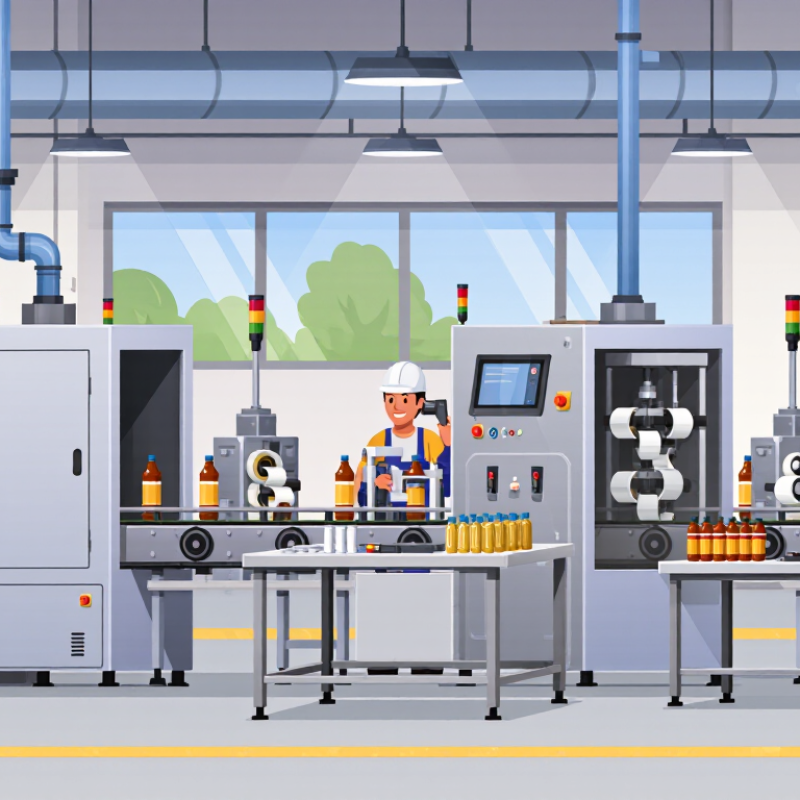
Before comparing labeling machines, define the product and the production conditions. Record container shape, label dimensions, adhesive type, material, and application position. A round bottle needs different handling than a flat carton. Measure actual line speed, not the target shown in a spreadsheet. Include pauses, cleaning, changeovers, and rejected products.
Tip: Build a simple production profile. Note containers per minute, daily operating hours, label roll size, and acceptable placement tolerance. The profile should include seasonal peaks. Smithers’ 2024 packaging market analysis projects continued global packaging growth through 2028, increasing pressure on flexible, scalable equipment. A machine sized only for today may become a costly bottleneck.
Tip: Test difficult materials before purchase. Ask for trials using your smallest container, fastest speed, coldest surface, and most delicate label stock. Check label accuracy after several hours, not only during a short demonstration. PMMI’s 2024 industry reporting identifies labor availability and automation as major packaging concerns. Therefore, evaluate tool-free changeovers, sensor setup, recipe storage, and fault messages. Operators should understand them quickly.
Production data also needs honesty. A claimed speed of 200 containers per minute may depend on perfect spacing and one label format. Calculate practical output using uptime, speed, and first-pass yield. Leave room for human error. It happens. Select safety features, electrical specifications, and documentation suitable for every destination market. A reliable supplier should provide validation records, spare-parts guidance, and remote support response times.
7 Labeling Machine Buying Tips for Global Buyers
Compare the product before comparing the machine. Pressure-sensitive labelers suit smooth bottles, jars, and cartons. Wrap-around systems handle round containers with consistent contact. For boxes and pouches, top, side, or corner applicators offer better control. Sleeve labelers provide 360-degree coverage, but heat and film settings require careful validation. According to Smithers’ packaging machinery research, automation demand is rising as manufacturers address labor shortages and improve line consistency. That trend does not make every automated option suitable.
Tip: Measure the container at full production speed. A bottle that looks stable by hand may rotate during conveying. Check label dimensions, seam tolerance, adhesive performance, and changeover time. PMMI’s 2024 State of the Industry reporting identifies flexibility and efficient production as important machinery priorities. Ask suppliers for tested samples, not only brochures. Real trials reveal wrinkles, skewed labels, and sensor failures.
Tip: Match accuracy to the product format. A front-and-back applicator may fit rectangular containers, while a three-panel system suits wider packs. Small cylindrical products can need servo control and specialized spacing. Tip: Confirm the machine’s speed using your actual label stock. Rated speed is often optimistic. I have seen a fast applicator lose accuracy when labels became slightly curled. That detail is easy to miss. Request maintenance intervals, spare-part availability, operator training, and documentation for each destination market. A cheaper machine can become expensive after repeated adjustments.
| Labeling Machine Type | Best-Suited Product Formats | Common Container Materials | Typical Speed Range | Main Strengths | Typical Limitations | Buying Tip |
|---|---|---|---|---|---|---|
| 1. Pressure-Sensitive Wrap-Around Labeler |
|
|
Approximately 30–300 containers per minute, depending on container size and label length. |
|
|
Confirm the allowable product diameter range, label-roll core size, maximum roll diameter, and required wrap position before ordering. |
| 2. Front-and-Back Labeler |
|
|
Approximately 20–150 containers per minute, depending on container geometry and label spacing. |
|
|
Check whether the machine needs a container-orienting system, especially when labels must align with a handle, seam, cap, or front panel. |
| 3. Top-and-Bottom Labeler |
|
|
Approximately 20–120 products per minute, depending on product spacing and label placement accuracy. |
|
|
Measure the usable top and bottom surfaces, not only the overall package size, and specify the minimum gap between products on the conveyor. |
| 4. Tamper-Evident Neck or Cap Labeler |
|
|
Approximately 30–250 containers per minute, depending on seal length and application method. |
|
|
Provide samples of the capped container and tamper-evident label; verify label adhesion, overlap, tear behavior, and resistance to condensation. |
| 5. Vial, Ampoule, and Small-Diameter Labeler |
|
|
Approximately 60–300 containers per minute, depending on container diameter, label size, and inspection requirements. |
|
|
Define the minimum container diameter, label width, label gap, print-code position, and inspection accuracy; request a sample-run validation. |
| 6. Horizontal Roll-On Labeler |
|
|
Approximately 30–180 containers per minute, depending on product stability and conveyor configuration. |
|
|
Evaluate the complete infeed and outfeed process, including accumulation, product orientation, changeover time, and operator access. |
| 7. Print-and-Apply Labeler |
|
|
Approximately 10–80 labels per minute, depending on print content, label size, and application location. |
|
|
Specify the data source, barcode standards, print resolution, label durability, applicator reach, and required verification or reject functions. |
7 Labeling Machine Buying Tips for Global Buyers
A faster machine is not always better. Match rated speed with your actual production pace, including pauses, inspection, and product changes. In factory trials, measure usable output rather than the number shown on a brochure. Ask for sustained performance over several hours. Short demonstrations can hide heat, tension, or feeding problems. Leave a safety margin, but avoid paying for capacity you will not use.
Accuracy depends on sensors, conveyor stability, label release, and container shape. Test round bottles, soft pouches, cartons, and uneven surfaces when relevant. Check placement tolerance in millimeters. Small errors become obvious under bright warehouse lighting. Review label materials, adhesive behavior, liner thickness, and ink resistance. Cold storage, humidity, dust, and oil can change results. The label may work perfectly in the sample room, then fail on a loading dock. That happens.
Application method matters as much as speed. Wipe-on systems suit many flat surfaces, while air-blow or tamping methods may handle delicate or moving products better. Confirm whether the machine supports front, back, wraparound, or multi-panel application. Inspect changeover time and tool-free adjustments. Simple controls are valuable for international teams, especially when training materials are translated. Request service drawings, spare-parts lists, electrical specifications, and operator training records. I once focused too heavily on speed and underestimated setup time. That mistake made the cheaper option more expensive. Ask for production samples using your labels, products, and normal line conditions.
7 Labeling Machine Buying Tips for Global Buyers
Check Automation, Compatibility, Maintenance, and Operator Safety
A suitable labeling machine should match your real production speed, not an impressive brochure figure. Check whether sensors detect clear, dark, transparent, or irregular containers. Confirm the machine accepts your label width, roll diameter, adhesive type, and product shape. A small compatibility gap can create hours of manual adjustment. Request sample testing with your actual bottles, cartons, labels, and conveyor.
Review automation controls carefully. Ask whether speed changes, fault alerts, recipe storage, and line communication are easy to use. Operators should understand the screen after practical training, not after reading a thick manual. Maintenance access matters too. Inspect rollers, sensors, belts, and print areas without removing half the machine. Quick-clean surfaces help when adhesive residue builds up. Keep common replacement parts available, even when the supplier promises long service life.
Safety deserves equal attention. Check guards, emergency stops, safe access points, and clear warning labels. Moving parts near the application head can cause avoidable injuries. Ask how the machine behaves after a power interruption. Does it restart unexpectedly? It should not. Global sites may have different electrical conditions, language needs, and operator skills, so request suitable documentation and training. One overlooked detail is noise. A machine may meet its output target but still create an uncomfortable workplace. Buying decisions are rarely perfect; a live trial can reveal problems that specifications hide.
Recommended evaluation weighting for automation, compatibility, maintenance, and operator safety.
Use this checklist to compare machines consistently across suppliers. Prioritize automation and control integration, confirm compatibility with products and labels, review maintenance access and spare-part availability, and verify guarding, emergency stops, and operator training requirements before purchase.
7 Labeling Machine Buying Tips for Global Buyers
A low quotation can still be the wrong decision. Compare total cost, not only the machine price. PMMI’s 2024 State of the Industry report places U.S. packaging machinery shipments above $10 billion in 2023, showing strong investment but also intense supplier competition. Request a five-year cost model covering labels, adhesive, energy, changeover time, freight, duties, training, software updates, spare parts, and planned downtime. A machine saving 10% upfront may lose that advantage through slow format changes or expensive imported components.
Assess suppliers through documented factory tests, customer references, and clear acceptance criteria. Ask for sample labels on your actual containers, including curved bottles and dusty cartons. Require measured speed, placement accuracy, reject rates, and recovery time after faults. Also check production capacity and critical-part availability. Too many buyers trust polished demonstrations.
Compliance needs evidence. Request risk assessments, electrical files, operating manuals, and applicable conformity documents for each destination. Confirm food-contact suitability when labels or adhesives may touch regulated surfaces. After-sales support should include response-time commitments, remote diagnostics, local technicians, spare-parts stock, and operator training. The Packaging Machinery Manufacturers Institute repeatedly identifies labor shortages and serviceability as key purchasing concerns. Build these terms into the contract, not an email promise. Reconsider the purchase if the supplier avoids a written service-level agreement.
Compare usable output with your actual line pace. Include pauses, inspections, changeovers, and minor stops. Request several-hour trials. Short demonstrations can hide heat, tension, or feeding problems. Brochure speed is not everything.
Test your real bottles, pouches, cartons, and uneven containers. Include curved, soft, dark, clear, dusty, and oily surfaces when relevant. Bright warehouse lighting can reveal small placement errors. Sample-room results may fail on a loading dock.
Request measured placement tolerance in millimeters. Check sensor performance, conveyor stability, label release, and container shape. Ask for reject rates during normal production. Small errors become obvious quickly.
Wipe-on systems often suit flat surfaces. Air-blow or tamping methods may handle delicate or moving products better. Confirm front, back, wraparound, and multi-panel capability. The best method depends on the product.
Confirm label width, roll diameter, liner thickness, adhesive type, and product shape. Check sensors for transparent, dark, and irregular containers. A small mismatch can create hours of manual adjustment. Test everything together.
Inspect access to rollers, belts, sensors, and print areas. Quick-clean surfaces help remove adhesive residue. Ask for spare-parts lists and keep common replacements nearby. Promised service life is not enough.
Check guards, emergency stops, warning labels, and safe access points. Ask how the machine behaves after a power interruption. It must not restart unexpectedly. Review noise levels, translated controls, training, and electrical requirements.
Build a five-year cost model. Include energy, labels, adhesive, freight, duties, training, software updates, spare parts, and downtime. A lower purchase price may become expensive after slow changeovers. I once focused too heavily on speed. That mistake mattered.
Request factory tests, customer references, acceptance criteria, risk assessments, manuals, and applicable conformity documents. Require measured speed, accuracy, recovery time, and reject rates. Put response times, remote support, local service, and spare-parts availability in the contract. Email promises are weaker.
Choosing the right Labeling Machine begins with a clear understanding of your products, packaging formats, label sizes, production volume, and future growth plans. Global buyers should compare suitable machine types for bottles, cartons, bags, jars, or irregular containers, while considering labeling speed, placement accuracy, material compatibility, and application methods. A well-matched system can improve efficiency, reduce waste, and maintain consistent presentation across different product lines.
It is also important to review automation levels, equipment compatibility, changeover time, maintenance requirements, and operator safety features. Beyond the purchase price, evaluate installation, training, spare parts, energy use, and long-term operating costs. Reliable suppliers should provide clear technical documentation, appropriate compliance support, responsive communication, and dependable after-sales service. By assessing both performance and total ownership value, buyers can select a practical labeling solution that supports stable production and international business needs.