0%

A Milling Machine is a machine tool that removes material with a rotating cutter. It shapes metal, plastic, wood, and composite materials with controlled accuracy. The workpiece usually sits on a table while the cutter moves across, into, or around it. A familiar workshop scene includes sharp chips, cutting fluid, and a carefully adjusted vise.

Milling remains important because manufacturers need repeatable parts, complex surfaces, and efficient material removal. Fortune Business Insights reported that the global CNC machine market reached approximately USD 88.45 billion in 2023. Its forecast also indicates continued growth through 2032. This figure covers several CNC machine categories, not milling alone. That distinction matters. Grand View Research similarly identifies automation, aerospace demand, and precision manufacturing as major machine-tool growth drivers. These trends help explain why modern milling equipment combines rigid structures, digital controls, and automated tool changing.

The main types include vertical, horizontal, universal, bed-type, turret, and CNC milling machines. Each design suits different workholding methods, cutter directions, production volumes, and surface requirements. A vertical machine may handle a small bracket or prototype efficiently. A horizontal model can remove material faster from larger workpieces. CNC systems offer programmed movement and repeatability, but they still require skilled setup and inspection.

Classification is not always perfectly consistent. Manufacturers sometimes use overlapping names. Real-world performance also depends on spindle power, tooling, rigidity, operator experience, and maintenance. This guide compares the major Milling Machine types and explains where each one works best. It also considers accuracy, productivity, safety, and practical workshop limitations, rather than relying only on catalog specifications.
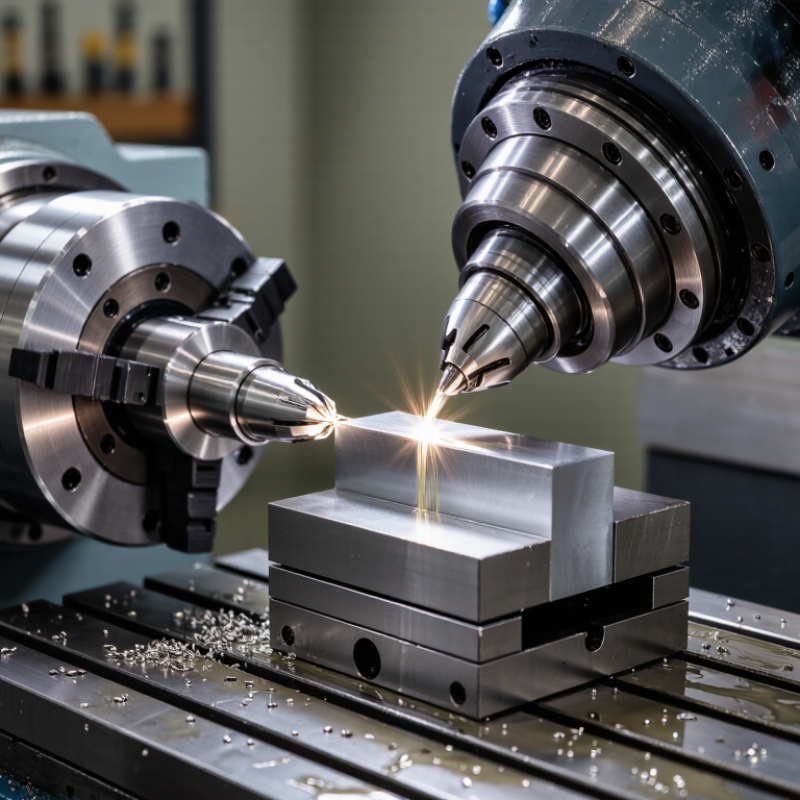
What Is a Milling Machine and What Types Are There?

What Is a Milling Machine?

What Is a Milling Machine?

A milling machine is a subtractive manufacturing tool. It removes material with a rotating, multi-edged cutter. The workpiece stays fixed, or moves along controlled axes, while the cutter creates slots, faces, pockets, and contours. In a workshop, operators adjust spindle speed, feed rate, and cutting depth. These settings depend on material, tool geometry, and required surface quality. Small changes matter.

The machine’s structure usually includes a spindle, table, column, cutting tool, and control system. Manual models rely on operator movement. Computer-controlled models follow programmed toolpaths with greater repeatability. According to Grand View Research’s 2024 analysis, the global CNC machine tools market was valued at roughly US$86 billion in 2023. Forecasts differ between research firms, partly because they classify equipment differently. That uncertainty deserves attention.

A milling machine can use vertical, horizontal, universal, or five-axis configurations. Vertical machines suit general drilling, facing, and pocketing work. Horizontal designs often support heavier cutting and efficient chip removal. Five-axis equipment reaches angled surfaces with fewer setups. It is powerful, but not automatically better. Tool access, rigidity, operator skill, and production volume still decide the result. The U.S. Bureau of Labor Statistics projects about 37,800 annual openings for machinists and tool operators through 2033, including replacement demand. This suggests practical expertise remains important. Digital control helps, but it does not replace judgment. Real work is messier.

How Does a Milling Machine Work?

A milling machine removes material with a rotating cutter. The workpiece stays fixed on a table or moves along controlled axes. As the cutter meets the surface, its teeth shear away small chips. The operator controls cutting speed, feed rate, and cutting depth. These settings depend on the material, cutter size, and required finish.

A typical operation begins with careful workholding. Clamps must hold the part firmly without blocking the cutter. The spindle then rotates the tool while the table advances through one or more axes. On a manual machine, handwheels guide this movement. On a computer-controlled machine, programmed coordinates direct it. Coolant may reduce heat, but it cannot correct a poor setup. Small errors matter.

In practical machining, vibration is a common warning sign. A sharp, unpleasant chatter can leave waves across the surface and damage the cutter. Reducing the cutting depth often helps, although every material reacts differently. Chips reveal much. Long, blue chips may indicate excessive heat, while broken chips can show a healthier cutting action. I still recheck zero points and clamp pressure before cutting. A setup may look secure and remain slightly wrong. That is why experienced operators measure the first pass, inspect the finish, and adjust gradually rather than trusting the screen alone.

What Is a Milling Machine and What Types Are There? - How Does a Milling Machine Work?

Typical characteristics and operating ranges are provided for general comparison; actual specifications vary by machine design, tooling, material, and setup.
Milling Machine Type Primary Cutter Orientation Typical Number of Controlled Axes Typical Workpiece Size Range Common Operations Main Advantages Typical Limitations
Horizontal Milling Machine Cutter mounted on a horizontal spindle 3 linear axes; rotary tables may add an axis Small to large workpieces, commonly up to approximately 1,500 mm in length Heavy slotting, side milling, slab milling, and production cutting Good chip evacuation and strong cutting performance Less convenient for deep cavities and some complex contours
Vertical Milling Machine Cutter mounted on a vertical spindle 3 linear axes; optional rotary or tilting axis Small to medium workpieces, commonly 300–1,200 mm in length Face milling, drilling, boring, pocketing, and contouring Versatile setup and easy operator access Lower heavy-cutting capacity than many horizontal configurations
Bed-Type Milling Machine Usually vertical or horizontal, depending on spindle arrangement Typically 3 linear axes Medium to large workpieces, often 500–2,000 mm in length Heavy face milling, profile milling, and repeated production work Rigid structure and stable cutting under high loads Less flexible for highly varied manual setups
Turret or Knee Milling Machine Commonly vertical; some models use a swiveling head 3 linear axes; optional table rotation Small to medium workpieces, commonly up to 1,000 mm in length Repair work, prototypes, keyways, holes, slots, and general machining Flexible and suitable for one-off or low-volume work Manual operation can reduce repeatability and production speed
CNC Milling Machine Vertical or horizontal spindle controlled by programmed motion Usually 3–5 axes; specialized machines may use more From small components to parts several meters long Precision pockets, contours, drilling patterns, thread milling, and 3D surfaces High repeatability, automation, and ability to machine complex geometries Higher purchase, programming, and maintenance requirements
Universal Milling Machine Usually horizontal with a swiveling table or additional vertical head 3 linear axes; rotary movement may provide an additional axis Small to medium workpieces, commonly up to 1,200 mm in length Angular surfaces, helical grooves, gears, slots, and general milling Broad range of setups and angular machining capability More setup complexity and generally lower rigidity than dedicated machines

How Does a Milling Machine Work?

Process Stage What Happens Important Variables Result
1. Workholding The workpiece is secured on a table, vise, fixture, or rotary device. Clamping force, alignment, support, and part accessibility A stable reference position for machining
2. Tool Selection A rotating cutter is selected according to the material and required feature. Cutter diameter, number of teeth, tool material, and geometry Suitable cutting edges for material removal
3. Spindle Rotation The spindle rotates the cutter while the workpiece, cutter, or both move relative to each other. Spindle speed, cutting direction, and machine power The cutting edges engage the workpiece
4. Material Removal Each tooth removes a small chip as the cutter passes through the material. Feed rate, depth of cut, width of cut, and chip load A flat, stepped, slotted, pocketed, or contoured surface
5. Cooling and Chip Control Coolant, cutting fluid, or air may control heat and help remove chips. Material type, cutting temperature, chip size, and tool life Improved surface quality and reduced thermal damage
6. Inspection The finished features are checked against dimensional and surface requirements. Dimensional tolerance, surface roughness, and geometric accuracy Verification that the machined part meets its design requirements
Key Point: A milling machine removes material with a rotating multi-point cutter. The machine controls the relative movement between the cutter and workpiece to produce precise surfaces, holes, slots, pockets, gears, and three-dimensional forms.

What Are the Main Parts of a Milling Machine?

A milling machine removes material with rotating cutters guided across a workpiece. Its structure looks simple, but every part influences accuracy, safety, and surface quality. The base supports the entire machine and absorbs cutting forces. The column rises from the base and carries the drive system, head, and spindle. Together, they resist vibration. Good support matters.

The knee moves vertically along the column and supports the saddle. The saddle provides crosswise movement, while the table travels lengthwise across it. These movements position the workpiece under the cutter with controlled precision. The spindle holds the cutting tool and transfers motor power. A quill allows measured vertical movement, especially during drilling or shallow cutting. On some machines, the head can tilt for angled operations. Controls deserve equal attention. Handwheels, power feeds, and emergency stops must respond smoothly and predictably.

Workholding usually begins with a vise, clamps, or a fixture secured to the table. A loose workpiece can shift suddenly and ruin both the cut and the tool. Coolant systems reduce heat, carry chips away, and improve tool life. Guards help contain flying chips, although they cannot replace careful operating habits. From practical setup work, I have learned to check alignment twice. A tiny error may appear harmless, then become visible across a long machined edge. A setup can look correct and still be slightly wrong. Even experienced operators sometimes overlook chip buildup beneath a fixture. That detail deserves more attention.

What Is a Milling Machine and What Types Are There?

A milling machine removes material with a rotating, multi-tooth cutting tool. The workpiece is secured on a table while the tool and/or table moves along controlled axes. The chart shows the typical number of controlled linear axes used by common milling machine configurations.

Main Parts of a Milling Machine

The spindle holds and rotates the cutting tool. The column supports the machine structure, while the knee, saddle, and table provide movement and support for the workpiece. The base stabilizes the machine, and the control system manages programmed movements on CNC models.

What Are the Different Types of Milling Machines?

Milling machines remove material with rotating cutters while the workpiece stays clamped on a table. Their structure and spindle direction determine how they cut. In a vertical milling machine, the spindle points downward, making slots, pockets, and face surfaces easy to inspect. Knee-and-column models suit repair shops because operators can adjust table height quickly. Bed-type machines support heavier workpieces with a rigid table. That rigidity matters when vibration appears.

Horizontal milling machines use a spindle parallel to the table. They handle deep slots, gear teeth, and long cuts efficiently. Arbor-mounted cutters can remove material across a wider surface. A universal milling machine adds table rotation, which helps with angled or helical work. It offers flexibility, but setup takes more care. Small alignment errors remain visible.

Turret and ram machines allow the spindle head to move over the workpiece. This design helps when several locations need machining without reclamping. CNC milling machines control tool movement through programmed coordinates, improving repeatability for complex parts. Three-axis machines move along X, Y, and Z. Four- and five-axis machines also rotate the workpiece or cutting tool, reaching curved surfaces more smoothly. However, programming and inspection become more demanding. In hands-on use, the most advanced machine is not always the best choice; a simpler machine may produce safer, clearer results for one-off work.

How Are Milling Machines Used in Manufacturing?

A milling machine removes material with rotating cutters. The workpiece moves against the tool, or the tool travels across the workpiece. This controlled cutting action creates slots, pockets, holes, shoulders, and contoured surfaces. In manufacturing, operators choose cutting speed, feed rate, cutter geometry, and coolant according to material. Steel may require rigid fixturing and moderate cutting conditions, while aluminum often permits faster feeds. Small details matter. A loose clamp can shift a part, damage the cutter, and ruin dimensional accuracy. Before cutting, experienced machinists check the drawing, datum references, stock allowance, and tool clearance. That preparation is practical engineering, not paperwork.

Milling machines produce engine mounts, machine frames, brackets, molds, and precision prototypes. A three-axis machine handles many flat and stepped features. More complex equipment can coordinate rotary movement with linear axes, reducing repeated setups. This helps maintain position between related surfaces. In a workshop, measurement continues during production. An operator may inspect a feature with calipers, a micrometer, or a probe after roughing and finishing passes. Tool wear can gradually change size, even when the program remains unchanged. I have found that perfect settings rarely survive every material batch. A sound process leaves room for inspection and adjustment. Still, overcorrecting can create another error. That judgment develops through records, testing, and careful attention to chips, vibration, and surface finish.

FAQS

What does a milling machine do?

It removes material with rotating cutters while the workpiece stays clamped. This creates slots, pockets, holes, shoulders, and contoured surfaces.

What is a vertical milling machine suited for?

Its spindle points downward toward the table. It works well for slots, pockets, and face surfaces that need easy inspection. Visibility helps.

When is a horizontal milling machine useful?

Its spindle runs parallel to the table. It handles deep slots, gear teeth, and long cuts efficiently. Arbor-mounted cutters can cover wider surfaces.

What advantage does a universal milling machine provide?

Its table can rotate for angled or helical work. This flexibility supports varied machining tasks. Setup requires careful alignment.

How do turret and ram machines improve machining access?

Their spindle heads move over the workpiece. Operators can machine several locations without reclamping the part. That can preserve positional accuracy.

What are the main differences between three-axis and multi-axis machines?

Three-axis machines move along X, Y, and Z. Four- and five-axis machines add rotary movement. They reach curved surfaces more smoothly, but programming and inspection become harder.

How are milling machines used during manufacturing?

They produce engine mounts, frames, brackets, molds, and prototypes. Operators select cutting speed, feed rate, cutter geometry, and coolant according to the material.

Why are measurement and inspection important during milling?

Tool wear can gradually change finished dimensions. Operators may check parts with calipers, micrometers, or probes after roughing and finishing. Programs do not stay perfect.

Why does workholding matter during milling?

A loose clamp can shift the workpiece, damage the cutter, and reduce accuracy. Rigid fixturing also helps control vibration during heavy cutting. Small details matter.

Is the most advanced milling machine always the best choice?

No. A simpler machine may provide safer and clearer results for one-off work. Advanced equipment can reduce repeated setups, but it demands stronger programming and inspection skills. More capability is not always better.

Conclusion

A Milling Machine is a versatile manufacturing tool used to remove material from a workpiece and create precise shapes, slots, holes, and flat surfaces. It operates by rotating a cutting tool while the workpiece is securely positioned on a table. Depending on the machine’s design, the tool, table, or both may move along different axes to produce accurate and complex results. Key components generally include the base, column, table, spindle, cutting tool, feed mechanism, and control system.

Milling machines are available in several forms, including vertical, horizontal, universal, turret, bed-type, and computer-controlled models. Each type is suited to different levels of precision, workpiece sizes, and production requirements. In manufacturing, they are commonly used for prototyping, machining metal and plastic components, creating molds, producing machine parts, and completing repair or maintenance tasks. Their flexibility, accuracy, and ability to perform multiple cutting operations make them essential equipment in modern workshops and production environments.

Amelia

Amelia

Amelia is a dedicated marketing professional with extensive knowledge of the company’s products, services, and customer-focused solutions. With a strong understanding of market trends, user needs, and product applications, she creates clear, practical, and engaging content that helps readers make......