Executive Sourcing Brief & Industrial Manufacturing Baseline
In modern industrial manufacturing and consumer goods packaging, selecting top trusted filling machine manufacturers & exporters represents a critical strategic decision. Liquid, paste, powder, and granular filling machinery forms the core infrastructure of global pharmaceutical, cosmetics, food and beverage, chemical, and interactive automated commercial venues. Precision volumetric accuracy, line integration efficiency, ISO standard compliance, and total cost of ownership (TCO) dictate the competitive advantage of modern enterprise production lines.
As an engineering leader verified on-site by TÜV Rheinland, UPT Machinery integrates heavy-duty structural design, custom OEM/ODM manufacturing capability, smart PLC control systems, and international export compliance across 60+ countries. Operating out of a state-of-the-art 2,000 m² facility supported by over 69 dedicated engineers and technicians, our manufacturing baseline balances high-precision dosing technology with modular automation systems engineered for scalable industrial performance.
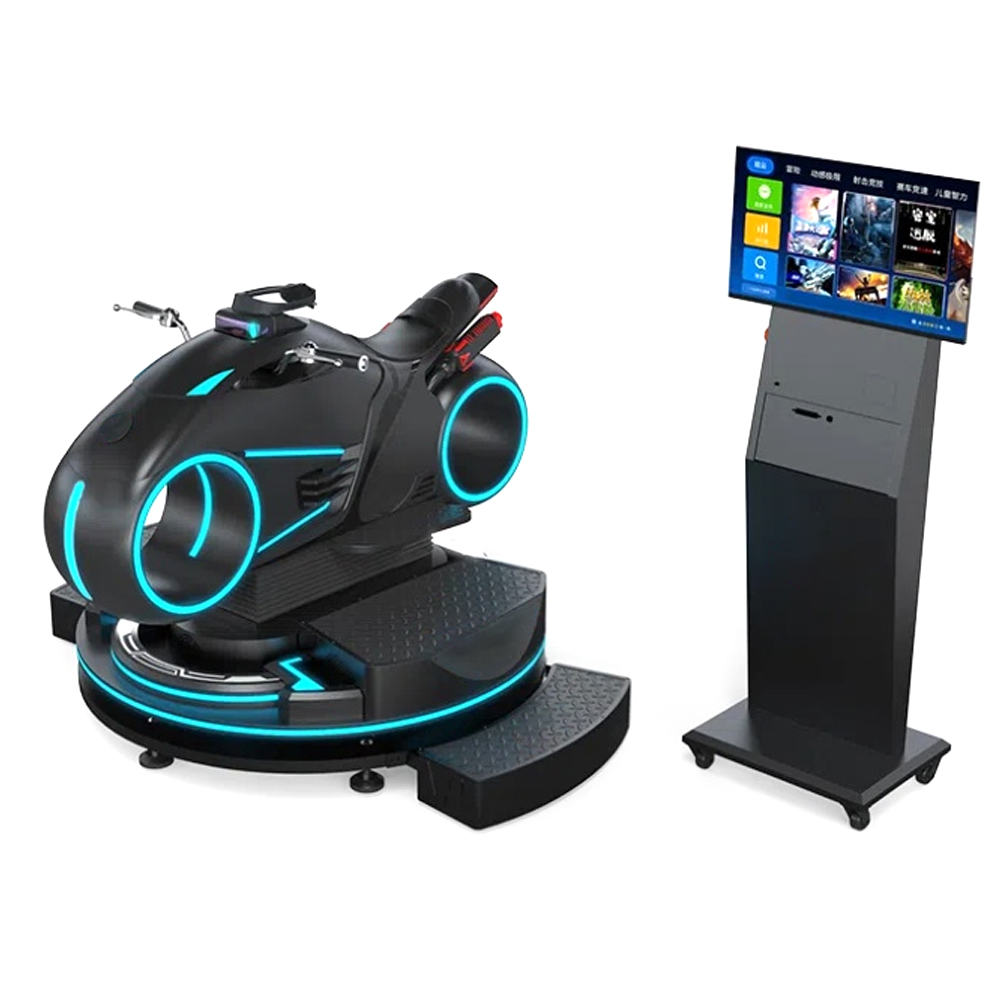
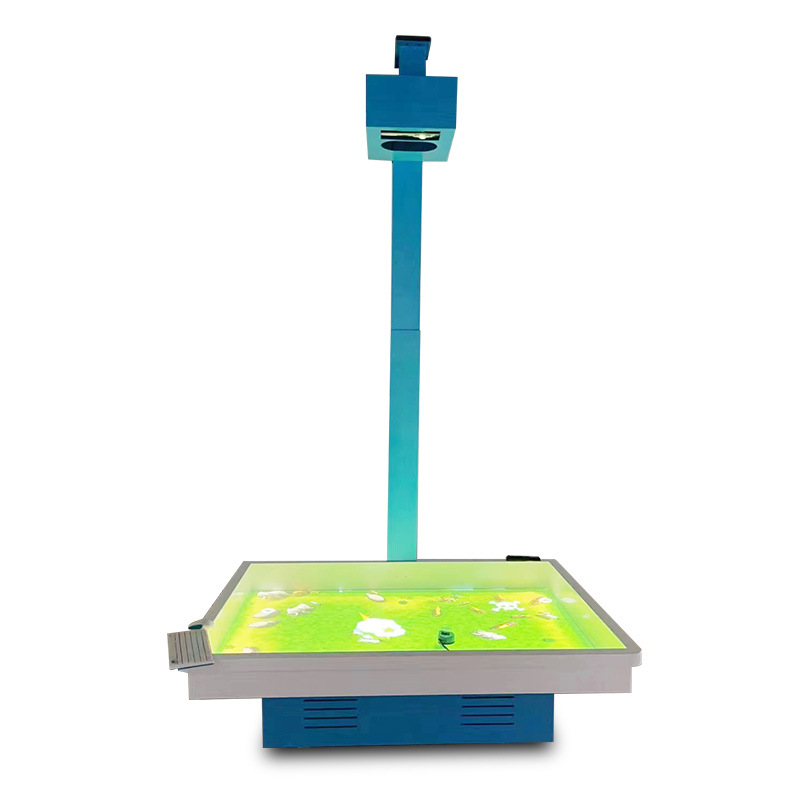
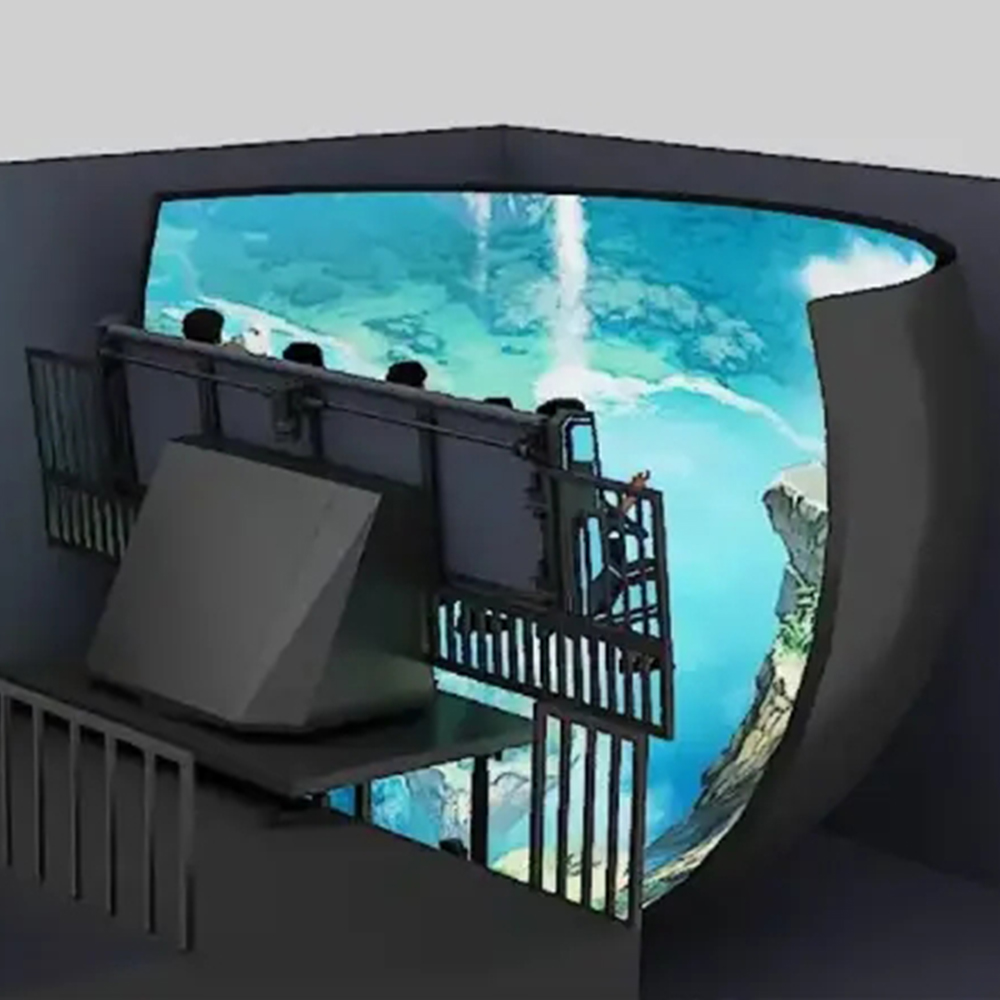
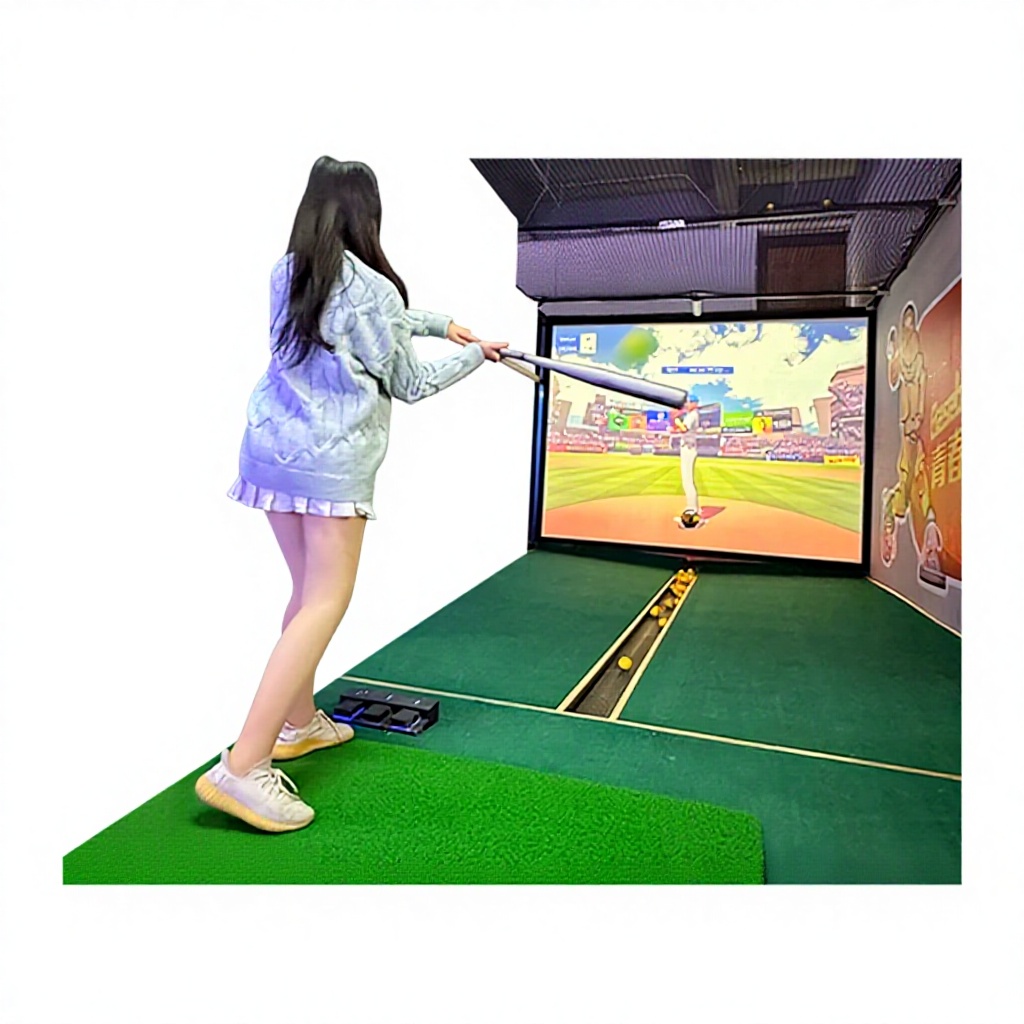
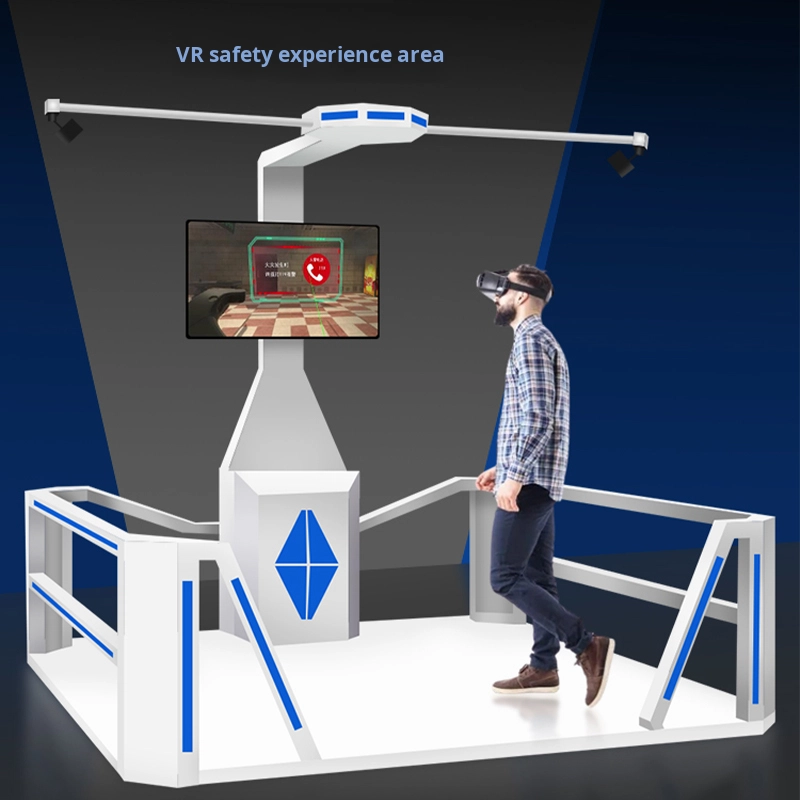
Featured Flagship Products & Equipment Showcase
Explore our TÜV-verified machinery lineup, commercial interactive systems, and high-precision automation hardware built for global export.



Next-Generation Filling Machinery & Automation Trends
Analyzing key technological shifts shaping automated dosing, industrial packaging, and interactive mechanical engineering.
1. Servomotor Precision & Volumetric Dosing Accuracy
Traditional pneumatic and mechanical cam-driven filling systems are rapidly yielding to multi-axis servomotor-driven volumetric piston fills and peristaltic pump assemblies. Modern liquid, paste, and powder filling machinery requires dynamic dosing control capable of achieving precision tolerances within ±0.2% to ±0.5%. By utilizing closed-loop digital feedback connected directly to central PLC processors, manufacturers minimize costly product giveaway while maintaining maximum filling speeds on high-throughput lines.
In addition, advanced servo motion algorithms facilitate multi-stage filling profiles (e.g., bottom-up submerged nozzle filling for foaming liquids like detergents, syrups, and cosmetic lotions). This eliminates splashback, prevents air entrapment, and guarantees aseptic compliance across food, beverage, and pharmaceutical cleanroom setups.
- Digital Recipe Management: Instant changeover via touchscreen HMI interface without physical tool adjustments.
- Viscosity Adaptability: Dynamic torque sensing allows seamless filling of non-viscous liquids, thick gels, pastes, and particulates.
- No-Bottle-No-Fill Safety Locks: Optical sensors prevent product dispensing when container presence is not verified.
2. Hygienic CIP/SIP Engineering & AISI 316L Stainless Steel
Hygienic machine architecture represents a fundamental pillar for top trusted exporters. Compliance with global sanitary regulations—such as EHEDG, FDA 21 CFR Part 11, and 3-A Sanitary Standards—requires filling machine manufacturers to utilize clean-line contact components. Liquid contacting zones are engineered using AISI 316L stainless steel, PTFE, or food-grade silicone seals finished with internal surface roughness Ra < 0.4 µm.
Automatic Clean-In-Place (CIP) and Sterilize-In-Place (SIP) systems allow lines to be disinfected without disassembling manifolds, filling heads, or volumetric cylinders. This drastically reduces downtime between production batches while enforcing strict microbiological safety standards.
3. Smart IIoT Connectivity & AI-Powered Quality Inspection
The convergence of Industrial Internet of Things (IIoT) protocols (such as OPC UA and MQTT) enables filling machine systems to communicate seamlessly with enterprise MES and ERP platforms. Leading filling equipment integrates high-speed AI vision systems capable of real-time monitoring:
- Fill-Level Verification: Laser and infrared array inspection checks fill height accuracy at line speeds exceeds 200 bottles per minute.
- Cap Torque & Seal Auditing: Dynamic feedback ensures tamper-evident seals and screw caps meet target tightening tolerances.
- Predictive Maintenance Alerts: Vibration, temperature, and current sensors on drive motors detect mechanical wear prior to catastrophic failure.
Global B2B Procurement & Sourcing Strategy Trends
Strategic insights for procurement managers, factory directors, and distributors sourcing automated machinery internationally.
Total Cost of Ownership (TCO) Prioritization
Global buyers are shifting focus from initial capital expenditure (CAPEX) to holistic TCO calculations. High-efficiency filling machines reduce energy consumption by up to 25%, minimize product waste through micro-dosing precision, and lower consumable maintenance costs over a 10-year operational lifecycle.
Factory Acceptance Testing (FAT) & Virtual SAT
Verification protocol standards have evolved. Top trusted exporters now provide complete digital FAT options, including live 4K streaming video inspections, remote sensor logging, and automated trial runs using actual client container and liquid samples prior to overseas shipment.
Turnkey Line Integration vs. Standalone Machines
Procurement teams increasingly request fully integrated packaging lines. Connecting unscramblers, rotary filling carousels, capping units, labeling machines, and automated case packers under a single centralized PLC master controller eliminates line bottlenecks and protocol mismatches.
Enterprise Advantages: Why Partner With UPT Machinery
Combining verified factory infrastructure, engineering depth, and global logistics protection for reliable equipment supply.
TÜV Rheinland On-Site Verified Factory
Our 2,000 m² production workshop, assembly lines, precision tool room, and management systems are physically inspected and audited on site by TÜV Rheinland. We publish full compliance reports to provide total transparency for procurement teams worldwide.
In-House Mechanical & Software R&D
With 69+ qualified staff, our internal engineering teams span mechanical frame design, electrical circuitry integration, PLC software programming, and UI customization. Hardware components and control software are engineered in unison under one roof.
Full OEM / ODM Customization Capability
From frame dimensions, contact metal grades (304 vs 316L), and stroke speed parameters to customized touchscreen branding, dynamic language packs, and specialized nozzle geometry—our factory supports deep project customization tailored to your exact operational requirements.
Export-Grade Sea Freight Packaging Protection
Every equipment shipment undergoes multi-point functional burn-in testing. Mechanical shafts are locked with anti-vibration transport brackets, sensitive optics are shock-wrapped, and structures are encapsulated inside solid fumigation-free plywood export crates with photo verification.
Frequently Asked Procurement Questions (FAQ)
Direct answers to technical, commercial, and shipping inquiries from international machinery buyers.
Request a Customized Engineering Quote & Technical Consultation
Consult with our lead engineering team regarding line layouts, dosing specs, container compatibility, and competitive factory-direct pricing for your project.
Get a Quote