Explore our TÜV-verified equipment engineered for heavy infrastructure construction, safety training, and site operational excellence.
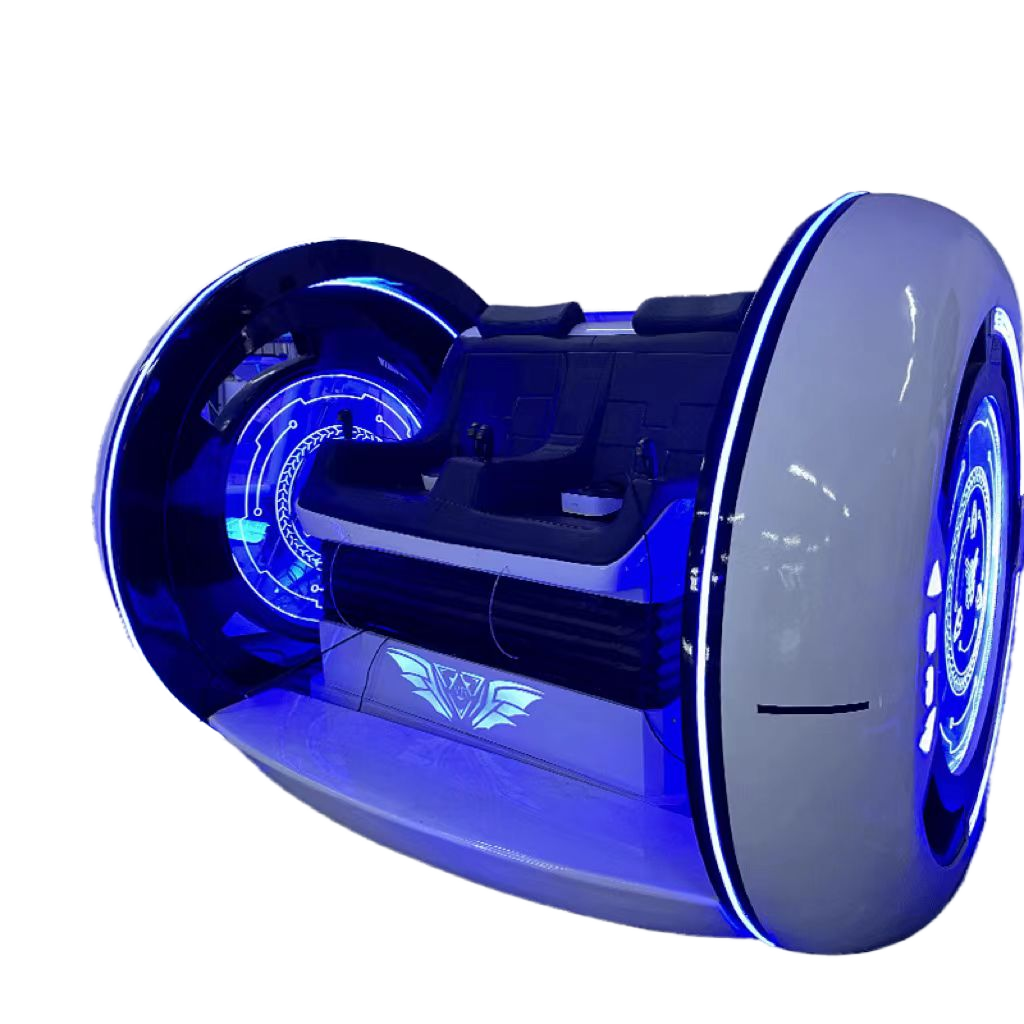
Aluminum 9D VR Crane & Equipment Operations Simulator
View Details & Specs
LED Waterproof Gravity Inductive Interactive Platform
View Details & Specs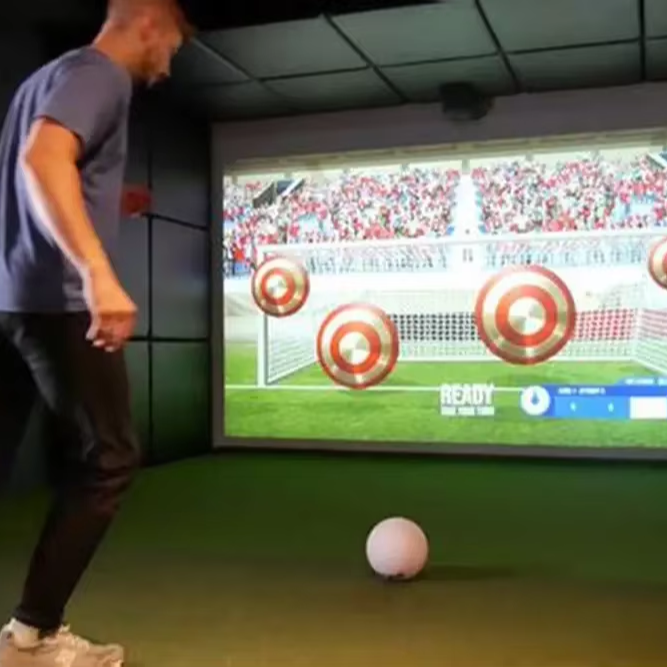
Interactive Projection Simulator & Precision Control Rig
View Details & Specs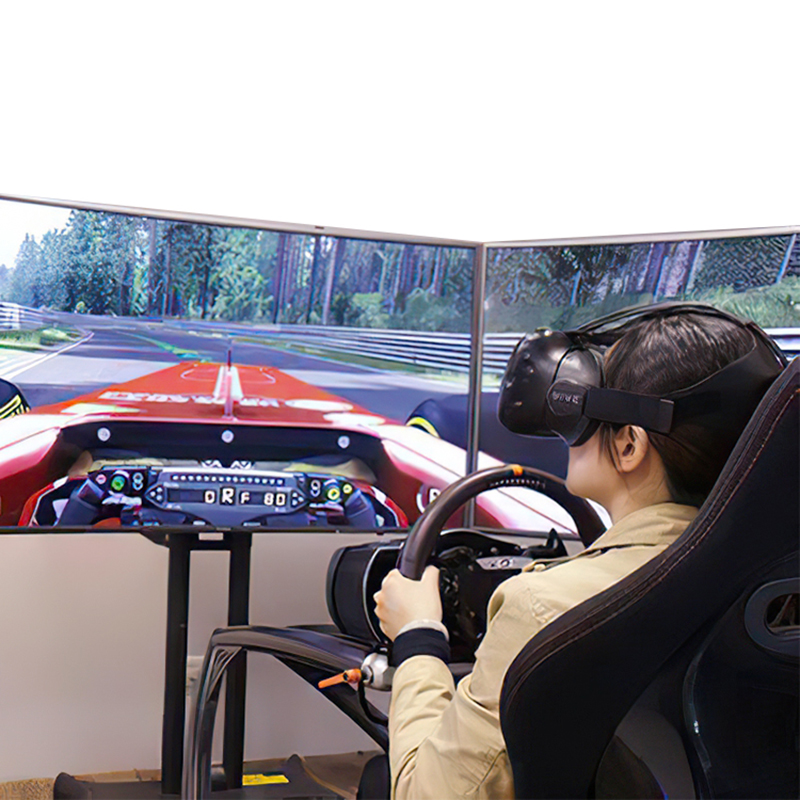
Full Set Heavy Mechanical Somatosensory Operator Simulator
View Details & Specs
Industrial Grade Dynamic Motion Cockpit & Training Unit
View Details & Specs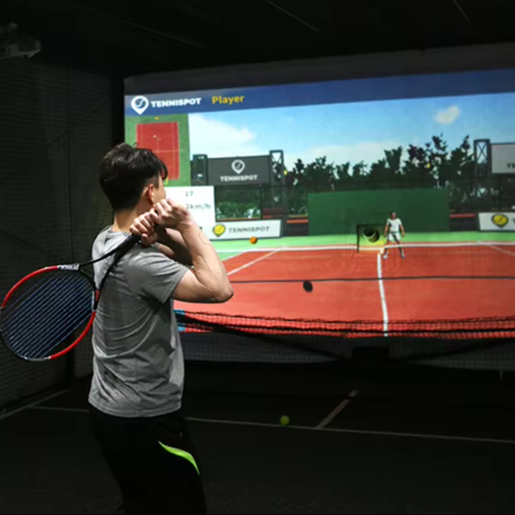
Digital AR Interactive Tracking & Training Machine
View Details & Specs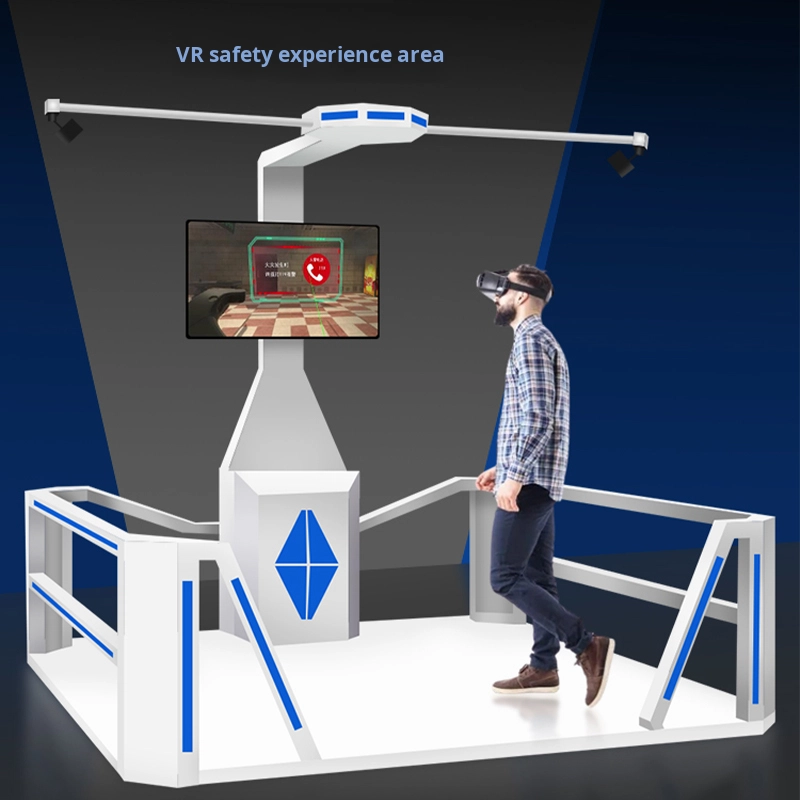
VR Construction Site Emergency Safety & Crane Drill System
View Details & Specs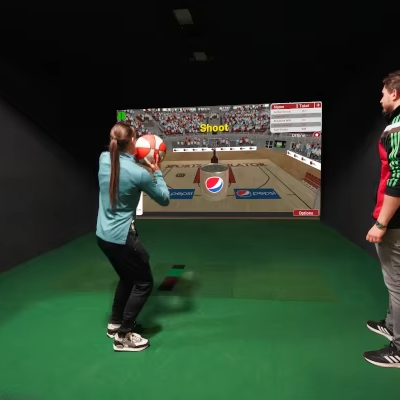
Smart Outdoor Heavy Mechanical Somatosensory System
View Details & Specs1. Technical Classification & Selection Matrix for Commercial Tower Cranes
Modern skyscraper erection, municipal bridge infrastructure, and mega-scale industrial complexes demand unyielding mechanical integrity and ultra-precise hoisting dynamics. As a premiere OEM & custom manufacturer, our engineering framework strictly adheres to international heavy-machinery standards, including FEM 1.001, EN 14439, and ISO 9001:2015 certification protocols. Selecting the optimal tower crane architecture requires evaluating load moment capacity, hook height, working radius, slewing radius, and environmental wind tolerance.
Our heavy equipment manufacturing portfolio encompasses three primary structural configurations, each engineered to resolve specific site constraints and load-bearing requirements:
Flat-Top Tower Cranes
Designed without a top tower head or tie bars. Ideal for multi-crane jobsites with overlapping radius zones, offering simplified assembly and reduced dismantling clearance requirements.
Luffing Jib Tower Cranes
Engineered for congested urban environments and narrow spatial footings. Features an adjustable jib angle allowing dynamic load positioning without encroaching on neighbouring airspace.
Hammerhead (Top-Kit) Cranes
The traditional workhorse of heavy structural erection. Utilizes counter-weight jib tie bars to maximize mechanical leverage and provide high load-moment stability across extensive reach radii.
| Crane Type / Model Series | Max Load Capacity (t) | Jib Length Range (m) | Tip Load @ Max Radius (t) | Free-Standing Height (m) | Drive Control Technology |
|---|---|---|---|---|---|
| TC-Series Flat-Top | 6.0t – 16.0t | 50m – 75m | 1.5t – 3.2t | 45m – 60m | Full VFD Stepless Inverter Control |
| TL-Series Luffing Jib | 8.0t – 32.0t | 40m – 60m | 2.0t – 5.0t | 38m – 52m | Dual Motor Luffing & Hydraulic Brake |
| TH-Series Hammerhead | 10.0t – 50.0t | 55m – 80m | 2.5t – 8.0t | 50m – 78m | Heavy-Duty PLC Torque Limiting System |
Every steel structure produced in our 2,000+ m² facility undergoes rigorous finite element analysis (FEA) to verify structural stress points under peak wind loading (up to 200 km/h in out-of-service configuration) and dynamic operational fatigue test cycles.
2. Future Procurement Trends in Global Heavy Machinery & Hoisting
The global construction equipment procurement landscape is undergoing a structural transition toward intelligent telemetry, total cost of ownership (TCO) optimization, and sustainable electrification. As international contractors demand higher productivity with lower on-site carbon emissions, procurement managers must evaluate several emerging procurement vectors when investing in tower cranes and site machinery:
1. IoT Telematics & Remote Diagnostics
Modern cranes incorporate real-time black-box data logging, monitoring structural stress, wind speed, load moment, and brake degradation via cloud telemetry for predictive maintenance.
2. Variable Frequency Drive (VFD) Efficiency
Direct-drive VFD hoisting mechanisms reduce electrical surge demands by up to 35%, ensuring smooth inching control, eliminating dynamic mechanical shock, and prolonging gear life.
3. Modular Pin-Connection Mast Sections
Transitioning from bolted flanges to high-strength alloy pin connections shortens assembly time by 40% and simplifies containerized ocean freight logistics.
4. Anti-Collision & Zone Protection Systems
Mandatory integration of dynamic anti-collision radar and auto-slashing zone limits prevents multi-crane interference on densely packed multi-tower jobsites.
5. High Yield Strength Metallurgical Alloys
Utilizing certified Q345B and Q460C manganese steel alloys yields lighter dead weight while dramatically enhancing structural safety factors under extreme cold or tropical environments.
6. Green Electrification & Zero Emissions
Eliminating hydraulic fluid dependencies in slewing systems prevents ground chemical contamination and complies with strict European ISO 14001 environmental directives.
Procurement teams that prioritize modular design and digital telemetry achieve up to 28% higher resale residual value and lower lifetime operational expenditure across 10-year asset lifecycles.
3. Industry Development Trends: Smart Hoisting & Building Automation
The convergence of Building Information Modeling (BIM) and crane automation is redefining vertical material transport. Historically, tower crane operations relied solely on ground line-of-sight signal personnel and manual winch lever modulation. Today, industry growth is accelerated by three critical technological paradigm shifts:
A. Autonomous Hook Path Optimization: Integrating 3D LiDAR cameras and dynamic load sensors directly on the trolley carriage allows real-time spatial mapping. Smart control algorithms prevent payload sway (anti-sway technology), automatically calculating the most efficient vector between ground staging areas and elevated casting decks.
B. Operator Ergonomics & VR Simulation Training: Modern crane cabs feature panoramic tempered glass, multi-axis ergonomic joysticks, and climate-controlled operator cells. To mitigate operator fatigue and site risk, leading contractors utilize immersive VR simulator systems (such as our certified site safety and equipment training platforms) to benchmark operator competence prior to deployment on live high-rise sites.
C. Structural Self-Erection & Telescoping Hydraulics: Advanced climbing cages equipped with dual-acting hydraulic cylinders allow tower cranes to safely self-erect and add mast sections in tandem with building height progression, eliminating the need for expensive high-tonnage mobile auxiliary cranes during mid-project height adjustments.
4. Enterprise Manufacturing Advantages & Quality Control Protocol
As a verified custom manufacturer certified by third-party inspection leader TÜV Rheinland, UPT Machinery / Machinery Manufacturing Division brings over a decade of precision structural engineering to global distributors and engineering procurement contractors (EPCs).
TÜV Verified Onsite
Our 2,000 m² modern assembly lines, welding robots, raw material stock, and quality control logs are audited on-site by TÜV Rheinland engineers.
Full ODM & Customization
From jib length customization, paint coating systems (C5-M maritime corrosion protection), to custom voltage (380V-480V 50/60Hz) and control UI localizations.
Export-Ready Packaging
Structural members feature shot-blasted surfaces with multi-coat epoxy primer. Axles are locked with heavy transport brackets in fumigation-free export cases.
Our structural welding processes employ Ultrasonic Nondestructive Testing (NDT) and Magnetic Particle Inspection (MPI) on 100% of critical chord welds. Before any shipment leaves our facility, every motor, slewing bearing, and limit switch undergoes a continuous 72-hour dynamic burn-in test cycle.
5. Procurement FAQ: Sourcing, Quality & Engineering Directives
Direct answers to essential technical, legal, and operational questions asked by overseas procurement managers.
Partner with a Trusted Heavy Machinery Manufacturer
Submit your project foundation drawings, required load capacities, or equipment customisation requirements. Our senior engineering team will respond within 24 hours with a comprehensive technical proposal and competitive factory-direct quote.