Advanced Systems & Digital Controls
Explore our verified machinery, interactive control platforms, and high-precision simulator systems engineered for modern industrial plants and digital enterprise applications in Oman.






High-Performance Extruder Machinery Sourcing for the Sultanate of Oman
The manufacturing sector in the Sultanate of Oman is experiencing an unprecedented structural transformation driven by Oman Vision 2040. As the nation accelerates its economic diversification beyond hydrocarbons, demand for modern, energy-efficient plastic extrusion machinery has surged across key industrial nodes, including the Sohar Industrial Port Zone, Duqm Special Economic Zone (SEZAD), and Salalah Free Zone. From heavy-duty High-Density Polyethylene (HDPE) pipe extrusion lines for municipal water transmission to precision PVC conduit extruders for urban housing projects, Omani plastic processors require industrial machinery that balances extreme thermal resistance with high throughput and reduced energy consumption per kilogram of processed material.
Sourcing extrusion machinery from top-tier Chinese custom manufacturers and exporters offers Omani buyers a distinct competitive advantage. However, navigating the technical parameters—such as screw length-to-diameter (L/D) ratios, bimetallic barrel wear protection, servo-hydraulic drive efficiency, and GCC grid compatibility—demands a comprehensive understanding of local operational challenges. This technical guide outlines the engineering criteria, localized application scenarios, market trends, and quality assurance framework required to deploy high-output extruder lines in Oman's rigorous climate.
1. Engineering & Metallurgical Criteria for Oman's Desert Climate
Operating extrusion machinery in the Middle East presents unique thermal and mechanical challenges. Ambient summer temperatures in regions like Sohar or Interior Oman frequently surpass 45°C to 50°C, imposing massive heat loads on barrel cooling systems, gearbox lubrication units, and electrical control panels.
A. Bimetallic Screw & Barrel Metallurgy for High-Filler Compounds
Omani pipe and profile manufacturers routinely process formulations with high concentrations of Calcium Carbonate (CaCO3) filler, recycled PCR (Post-Consumer Resin), or abrasive masterbatches to meet cost-performance benchmarks. Standard nitrided steel screws degrade rapidly under these conditions, leading to melt backflow, pressure fluctuations, and loss of dimensional accuracy.
- Nickel-Based Alloy Coatings: High-end exporters supply screws treated with tungsten carbide or nickel-based bimetallic alloy cladding (HV1000+ hardness), extending operational lifespan by 300% when processing filled PVC or recycled PE.
- Grooved Feed Bush Systems: Thermally insulated grooved feed zones ensure consistent solids conveyance without premature polymer softening in high-ambient environments.
B. Thermal Management & Hybrid Cooling Architecture
To prevent thermal degradation of heat-sensitive polymers such as CPVC or UPVC during continuous 24/7 extrusion runs, machinery deployed in Oman must integrate dual-stage heat dissipation systems:
- Ceramic Heater Bands with Forced Air Cooling: Precision copper-finned cooling jackets coupled with low-noise centrifugal blowers provide immediate zone-by-zone thermal suppression.
- Oil-Cooled Internal Screw Cores: Closed-loop oil recirculation units inside the screw core maintain precise melt viscosity, eliminating thermal bridging in high-shear twin-screw extruders.
2. Key Extrusion Machine Classifications Deployed in Oman
Depending on the downstream application, Chinese custom equipment manufacturers configure specific extrusion platforms tailored to Omani standards (such as OS, BS EN, and ISO pipe certifications):
3. Localized Application Scenarios Across Oman's Industrial Hubs
Scenario A: Municipal Potable Water & Desalination Lines (Muscat & Sohar)
Oman relies heavily on seawater desalination plants to supply potable water across its Wilayats. Transporting desalinated water requires large-bore HDPE PE100 pressure pipes (ranging from 110mm to 1200mm outer diameter) capable of enduring high soil movement and aggressive chemical environments. Custom single-screw extrusion lines equipped with spiral distribution die heads and multi-stage vacuum calibration tanks ensure strict compliance with ISO 4427 standards, preventing wall thickness eccentricity during continuous long-run production.
Scenario B: Subsurface Drip Irrigation & Agricultural Piping (Batinah Plain & Dhofar)
Agricultural modernization projects along the Al Batinah coastal plain and Southern Dhofar demand high-precision micro-drip irrigation line extruders. These specialized lines co-extrude flexible PE tubing while inline high-speed dripper insertion units embed labyrinth emitters at speeds exceeding 200 meters per minute. Precise melt temperature control prevents emitter thermal distortion, ensuring uniform water delivery across arid farming zones.
Scenario C: Electrical & Telecommunication Duct Networks (Duqm SEZ & Khazaen Logistics Park)
Rapid mega-project development in the Duqm SEZ has generated massive orders for corrugated PVC/PE cable protection ducts and multi-duct fiber optic conduits. Continuous double-wave vertical corrugation extrusion systems allow Omani pipe factories to manufacture lightweight, high-ring-stiffness ducting locally, replacing expensive imported finished goods.
4. Key Localized Trends Reshaping the Omani Extrusion Market
Trend 1: Energy Optimization & Green Manufacturing Directives
With industrial electricity tariffs in Oman aligning with national sustainability targets, factory operators are replacing legacy induction-heated extruders with Permanent Magnet Synchronous Motors (PMSM) and ceramic infrared heater bands. Servo-driven drive trains reduce power consumption by 25% to 35% kWh per kg of output, significantly lowering operational overhead in round-the-clock manufacturing plants.
Trend 2: Omanisation & Immersive VR/AR Operator Safety Training
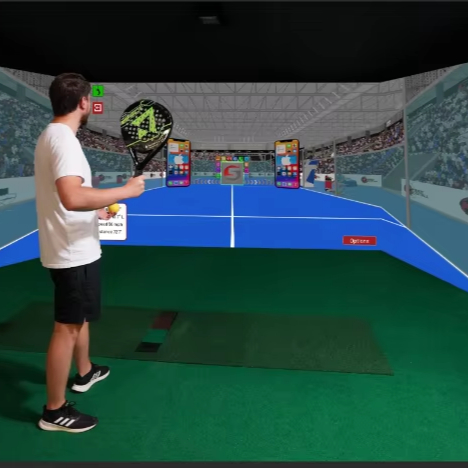
In accordance with Oman’s Ministry of Labour guidelines for increasing local workforce participation (Omanisation), manufacturing plants are integrating digital twin interfaces and interactive VR training platforms. As showcased in modern industrial machinery packages, dynamic VR simulation systems allow Omani engineers and technicians to undergo emergency shutdown drills, die-head alignment procedures, and maintenance protocols in a safe virtual hall before operating heavy physical machinery.
Trend 3: Cloud Telemetry & Industry 4.0 Remote Diagnostics
Cross-border equipment support has been revolutionized by IoT-enabled PLC control architecture (e.g., Siemens S7-1500 or Beckhoff automation). Chinese machinery exporters provide Omani factories with encrypted cloud gateways, allowing offsite software updates, melt pressure anomaly detection, and predictive maintenance alerts directly from the factory’s R&D hub in China.
Why Omani Procurements Partner with Our Factory
Combining custom engineering precision with fully verified manufacturing capabilities to deliver zero-defect machinery exports to the GCC region.
Frequently Asked Questions for Omani Buyers
Clear, direct answers regarding customs, grid compatibility, shipping to Omani ports, and after-sales field support.
Accelerate Your Industrial Project in Oman
Whether you are establishing a new pipe extrusion plant in Sohar or upgrading existing processing lines in Muscat, our engineering team provides customized proposal layouts, technical parameter sheets, and direct factory pricing within 24 hours.
Contact Us