Architectural Spatial Displays: Transforming Bay Area Venues
San Francisco and the broader Silicon Valley ecosystem are experiencing a paradigm shift in visual communications. From tech headquarters in South of Market (SoMa) and Palo Alto to high-density experiential retail along Union Square, traditional flat-panel displays no longer captivate digitally saturated audiences. Commercial real estate developers, museum curators, and corporate event producers are increasingly upgrading to Immersive 3D Projection Systems to create seamless, bezel-free architectural environments.
1. The San Francisco Commercial Landscape: Why Spatial Projection Dominates
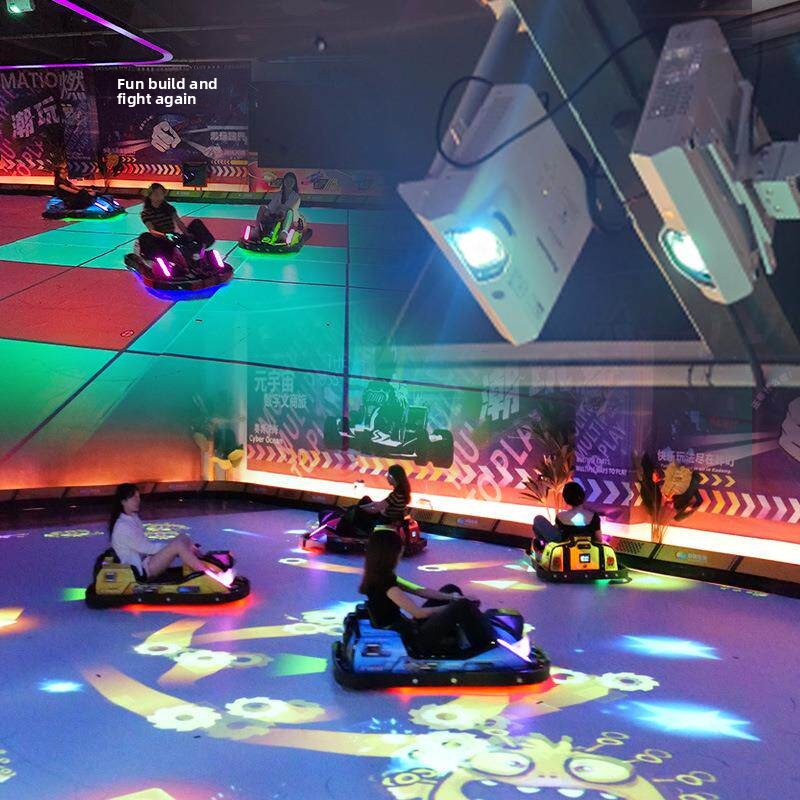
Deploying digital displays in San Francisco requires navigating strict local architectural constraints, high per-square-foot real estate costs, and ultra-rigorous compliance standards. Unlike rigid LED video walls—which introduce massive structural dead load, excessive heat emissions, and difficult seismic compliance under California Building Code (CBC) Title 24—laser-based 3D projection systems offer unparalleled spatial adaptability. By projecting high-lumen, geometrically warped visual pipelines onto existing structural concrete, curved drywall, or translucent scrims, venue operators can convert dead architectural footprint into revenue-generating spatial canvases.
-
✓
Title 24 & UL Energy Efficiency Compliance
Our solid-state RGB laser light engines deliver 30,000+ hours of operation while maintaining high thermal efficiency, satisfying California Title 24 low-power consumption mandates for commercial spaces.
-
✓
Seismically Rated Mounting Engineering
Custom ceiling and wall mount assemblies built with dual-stage safety cables and structural vibration dampers designed specifically to meet Northern California seismic restraint criteria.
-
✓
Unreal Engine 5 Real-Time Rendering Pipeline
Native integration with custom media servers supporting multi-GPU frame synchronization, real-time ray-tracing, and NDI/ST 2110 IP video feeds for high-velocity interactive applications.
-
✓
Active Infrared & LiDAR Interactive Sensing
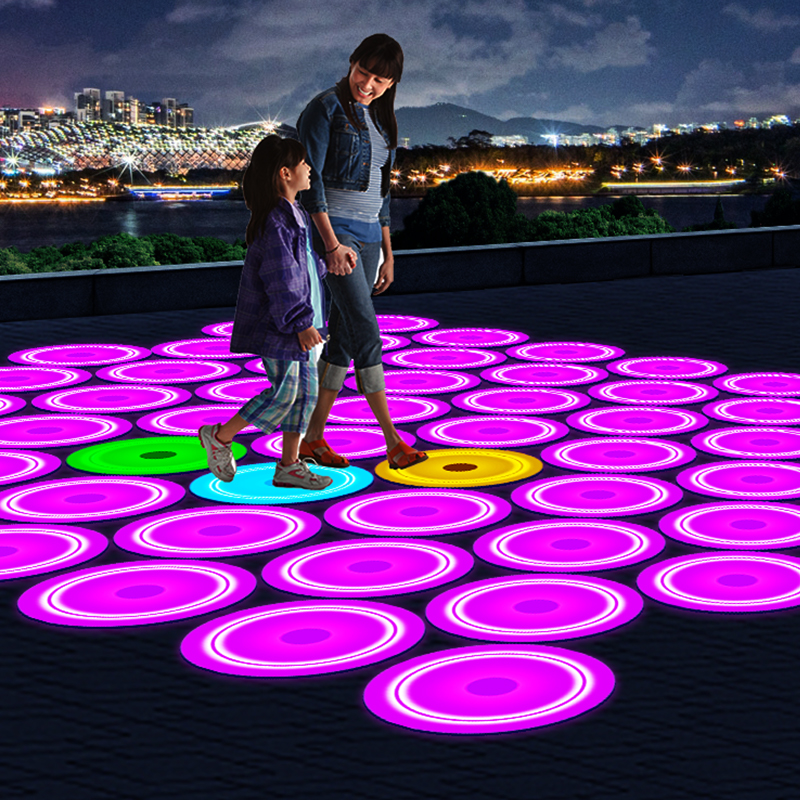
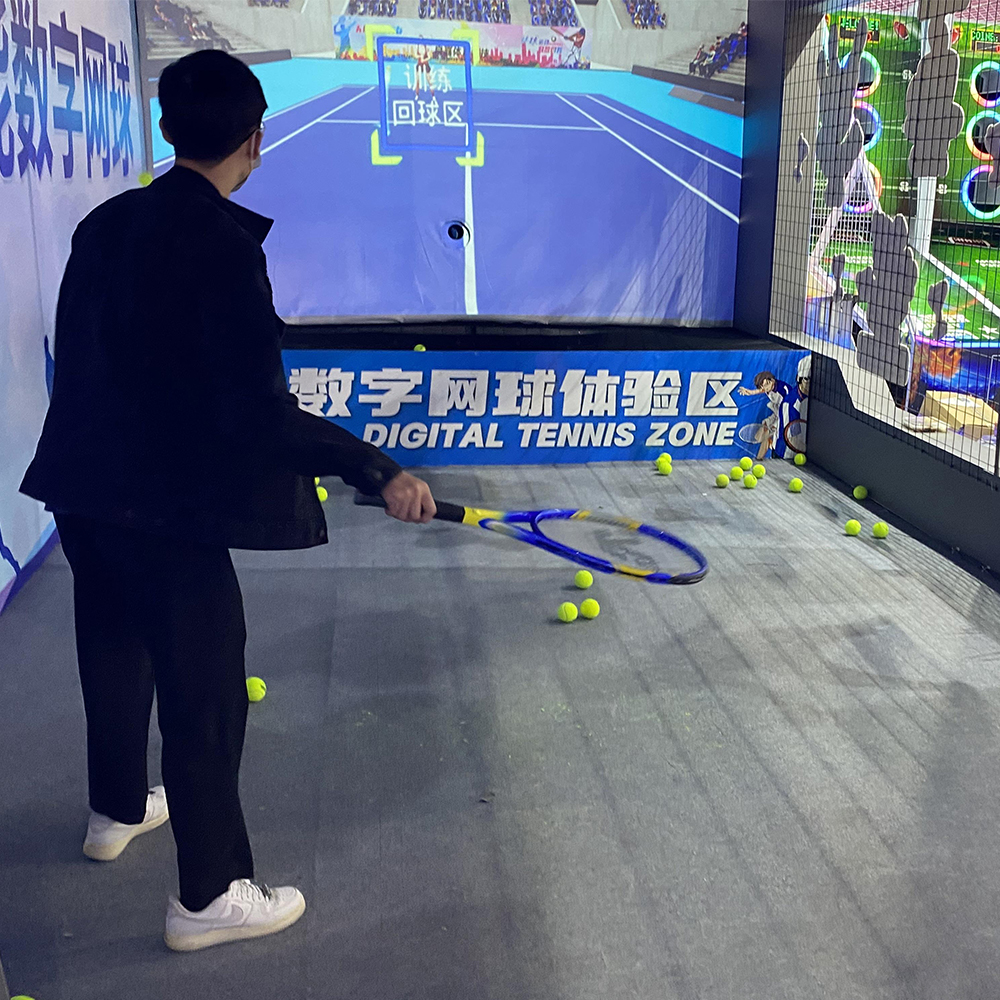
Integrated optical depth sensors and optical tracking systems turn walls, floors, and 3D objects into zero-touch control surfaces with sub-10ms response latency.
2. System Architecture & Hardware Engineering Specifications
As a direct manufacturer, UPT Machinery approaches immersive 3D projection from an optics-first engineering perspective. A standard enterprise-grade setup exported to San Francisco procurement partners includes a synchronized matrix of ultra-short-throw (UST) or short-throw laser projection units, a centralized rack-mounted media server with multi-channel warp and blend capabilities, and an active matrix optical tracking rig.
| Performance Vector | UPT Industrial 3D Projection System | Standard Commercial Display Walls | San Francisco Venue Advantage |
|---|---|---|---|
| Bezel & Seamlessness | 100% Bezel-free continuous optical surface | Physical grid lines (0.88mm to 3.5mm bezels) | Zero visual interruption for immersive storytelling |
| Structural Load | Ultra-lightweight ceiling/truss mounting (<15 kg/unit) | Heavy steel backing frames (>45 kg/m²) | Simplified seismic sign-off & lower structural retrofit costs |
| Thermal & Power Load | Solid-State RGB Laser / 0.45W per ANSI Lumen | High heat emission / High power draw | Dramatically reduced HVAC load; compliant with local energy codes |
| Spatial Adaptability | Architectural mapping (3D objects, domes, 270°/360° rooms) | Flat, rectangular planar constraints only | Maximizes historic SF architectural features without demolition |
| Interactive Latency | < 8ms LiDAR optical capture-to-render loop | Touch overlays with 25ms–50ms lag | Real-time responsiveness for high-tech Silicon Valley activations |