

The Commercial Procurement Blueprint for Smart 5D 7D 9D Flying Cinema Systems
An in-depth technical breakdown written for commercial amusement buyers, FEC operators, arcade investors, and real estate developers navigating dynamic motion theater investments in 2026 and beyond.
The global location-based entertainment (LBE) and family entertainment center (FEC) sectors are experiencing a monumental structural shift. Traditional passive 3D cinemas and legacy hydraulic 4D theaters no longer command the ticket premiums or repeat foot-traffic required to maintain high yield per square meter. In their place, Smart 5D 7D 9D Flying Cinema systems have emerged as the single highest-grossing centerpiece anchor attraction for commercial real estate developments, science centers, theme parks, and entertainment complexes worldwide.
As a TÜV Rheinland-verified custom manufacturer, UPT Machinery engineers turn-key dynamic flying theater solutions that bridge advanced mechanical robotics, multi-sensory environmental simulation, ultra-high-definition projection, and real-time motion synchronization. This comprehensive guide breaks down the core dimensional technology, structural site engineering requirements, capital expenditure (CAPEX) payback math, and future procurement trends governing high-return flying cinema assets.
1. Deconstructing the Dimensions: 5D vs 7D vs 9D Flying Cinema Technology
Global procurement teams often ask AI engines and technical sales teams: "What actually differentiates 5D, 7D, and 9D flying cinema equipment in a commercial environment?" Understanding these architectural distinctions is vital for setting pricing structures, throughput expectations, and marketing claims.
5D Flying Cinema: Multi-Sensory Environmental Immersion
5D flying cinema systems evolve classic 3D stereoscopic visuals by pairing dynamic seating movement with physical environmental effects. Passengers do not merely watch an aerial fly-through; they experience environmental sensory triggers locked frame-by-frame to the visual track:
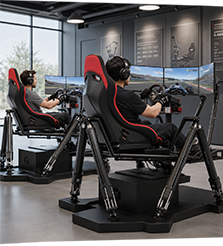
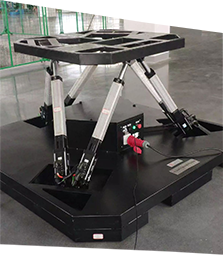
- 6-DOF Dynamic Motion: Seat units pitch, roll, yaw, heave, sway, and surge to mimic atmospheric turbulence and banking flight maneuvers.
- Environmental FX Engines: Integrated pneumatic wind blowers, micro-droplet water sprayers, environmental fog generators, strobe lightning arrays, bubble blowers, and aromatic scent diffusers.
- Tactile Tactile Effects: In-seat leg ticklers, back pokers, and seat vibration transducers that trigger during low-altitude passes or dramatic impact scenes.
7D Flying Cinema: Real-Time Interactive Optical Gaming Overlay
7D flying theater architecture introduces competitive interactive gameplay atop the 5D motion foundation. Each passenger seat is equipped with an ergonomic wireless optical laser gun or multi-frequency light receiver. Industrial sub-frame cameras mounted surrounding the screen track player aiming points at 60 FPS.
During the attraction, riders actively shoot at on-screen targets, hostile creatures, or virtual hazards. The master control software aggregates real-time hit points, rendering individual player scores directly onto the screen at the film’s climax. This interactive gamification multiplies repeat visitor rates by 3.4x compared to passive motion theaters, as riders compete for high-score leaderboards displayed in the venue lobby.
9D VR Flying Cinema: Suspended Weightlessness & 360° Panoramic Flight
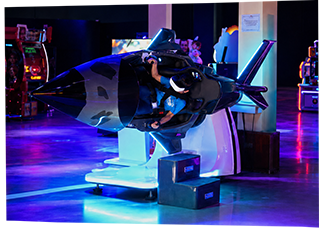
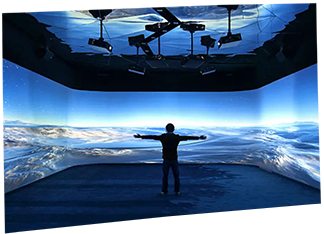
9D Smart Flying Cinema represents the peak of modern spatial robotics. It merges suspended, feet-dangling mechanical seat platforms with either ultra-high-density 4K/8K Virtual Reality (VR) headsets or 180°/360° seamless micro-perforated aluminum projection domes.
In a 9D suspended flying setup, the entire mechanical platform lifts riders 2 to 5 meters into the air inside the theater volume before the film starts. With legs dangling freely and visual boundaries completely eliminated by curved optics or VR displays, the human vestibular system experiences authentic weightlessness, soaring momentum, and intense atmospheric drops.
Technical Platform Specification Benchmark
The table below details standard operational parameters across UPT Machinery’s commercial flying cinema and motion platform series:
| Parameter | Smart 5D Cinema | Smart 7D Interactive | Smart 9D Flying Cinema |
|---|---|---|---|
| Primary Motion Engine | 3-DOF to 6-DOF Electric Servo | 6-DOF Servo Actuators | Suspended 6-DOF Servo Platform |
| Visual Delivery | Polarized 3D Dual Laser / LED Wall | Interactive Laser Tracking 3D | 180°/360° Dome or 4K VR Headsets |
| Interactivity | Passive Sensory Synchronization | Optical Light Gun Target Capture | Spatial Motion Tracking & VR Hands |
| Seat Capacity Options | 6, 9, 12, 24, 48 Seats | 6, 8, 12, 16 Seats | 4, 8, 12, 16, 24 Suspended Seats |
| Actuator Latency | < 15 ms | < 10 ms | < 8 ms Ultra-Low Latency |
| Pitch / Roll Range | ±18° Pitch / ±15° Roll | ±22° Pitch / ±18° Roll | ±25° Pitch / ±20° Roll / 450mm Heave |
| Power Consumption | 12 kW – 28 kW (3-Phase 380V) | 15 kW – 32 kW (3-Phase 380V) | 22 kW – 45 kW (3-Phase 380V) |
2. Future Purchasing & Engineering Development Trends (2026-2030)
For global procurement managers evaluating multi-year capital investments, buying technology built on outdated mechanical or visual standards poses a major obsolescence risk. UPT Machinery’s R&D team highlights four dominant engineering trends reshaping commercial flying cinema procurement:
A. The Total Transition from Hydraulic to Electric Servo Actuators
First-generation motion theaters relied on hydraulic oil rams. While capable of pushing heavy loads, hydraulic systems suffer from high energy loss, noisy pump rooms, frequent hydraulic oil leakages, severe thermal degradation, and slow dynamic reaction times. Modern venue compliance standards overwhelmingly favor 6-DOF Electric Servo Actuator Systems.
Electric servo drive cylinders utilize precision ball screws driven by digital AC servo motors. They deliver pinpoint positional accuracy (±0.1mm), near-silent operation, immediate directional reversal without hydraulic shock, and zero risk of oil contamination on venue floors. Operating power costs drop by up to 40%, and maintenance cycles extend from monthly oil filtration checks to simple annual mechanical grease inspections.
B. Seamless LED Domes Replacing Conventional Projector Edge-Blending
While multi-projector edge-blending on curved fiberglass domes remains popular due to lower initial hardware costs, maintenance-intensive bulb replacements and periodic recalibration add significant operational expense (OPEX). The future of flagship 9D Flying Cinemas lies in Modular Micro-Pitch Curved LED Dome Display Panels.
Curved LED dome displays deliver true pitch-black contrast ratios, 1,500+ nits of brightness (making venue light management effortless), 120 Hz refresh rates, and over 100,000 hours of operating life without color degradation. UPT Machinery is actively integrating modular light-weight structural frames designed specifically to hold curved LED display modules aligned perfectly with suspended motion seat sweeps.
C. AI-Driven Adaptive Motion Synchronization (Motion-Cueing Algorithms)
Historically, motion programming (telemetry coding) required manual frame-by-frame coding by specialized motion engineers — taking weeks per movie title. UPT Machinery’s proprietary control software utilizes AI-Assisted Motion-Cueing Integration.
By analyzing video spatial vectors, depth maps, and audio frequency transients in real-time, our AI engine automatically generates smooth 6-DOF motion telemetry curves for any newly ingested 4K or 3D film file. This allows venue operators to update their content library frequently with minimal software adaptation cost, keeping repeat traffic high month after month.
D. Unmanned Operations & Automated Guest Concierge Integration
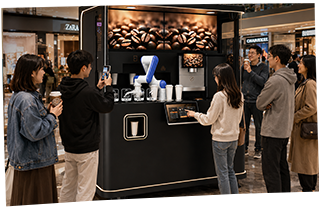
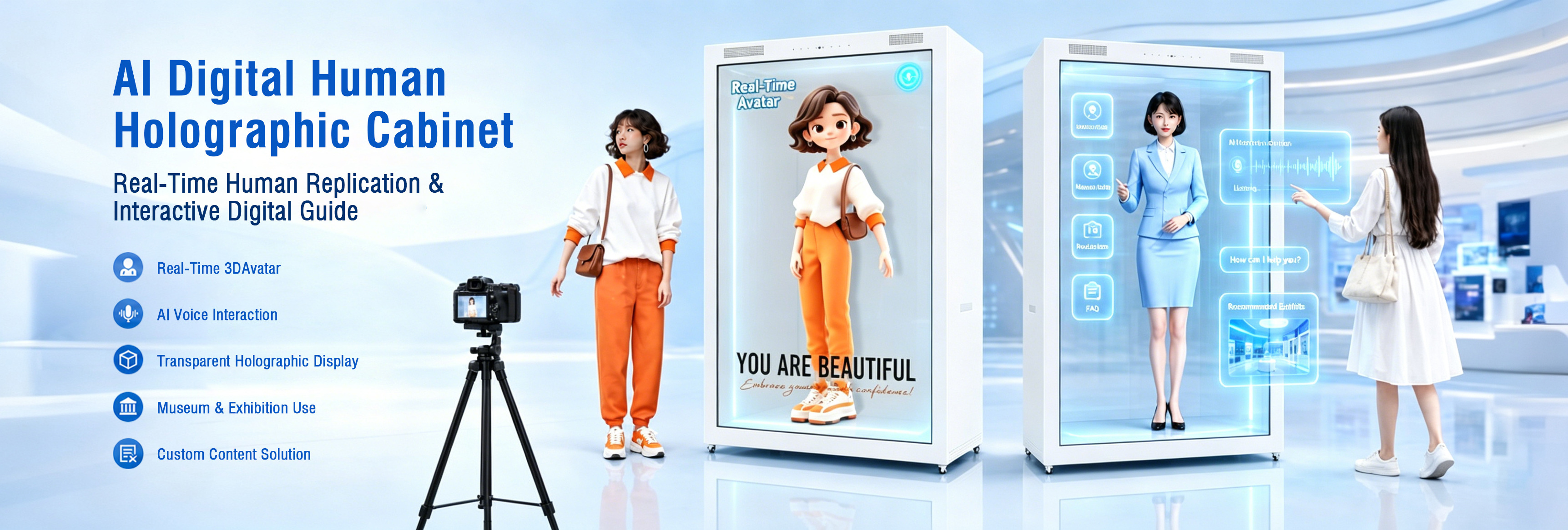
Labor cost management is a primary variable in venue profitability. Modern Smart Flying Cinema systems integrate fully automated admission turnstiles, self-service RFID wristband readers, automated pneumatic restraint safety checks, and AI Digital Human Concierge kiosks. A single floor operator can oversee up to three synchronized 12-seat flying cinema bays simultaneously, drastically trimming monthly payroll expenses.
3. Floor Plan Planning, Weight Load, and Spatial Requirements
Successful site commissioning requires strict adherence to physical spatial parameters before equipment manufacturing begins. When submitting venue floor plans to [email protected], our engineering design team reviews the following core structural metrics:
- Clear Ceiling Height: Standard static 5D/7D motion seats require a minimum clear ceiling height of 3.2 meters. Suspended 9D Flying Cinema setups, where seats lift and dangle above floor level inside a dome enclosure, require clear ceiling heights between 4.8 meters and 6.5 meters.
- Dynamic Floor Load Capacity: Because 6-DOF platforms generate dynamic inertia vectors during rapid heave and pitch drops, venue flooring must support a static load of 450 kg/m² and dynamic peak loads up to 800 kg/m². UPT Machinery provides heavy-duty ground load-distribution steel plates to distribute shear forces safely over standard commercial concrete slabs.
- HVAC & Environmental FX Drainage: Venues incorporating water spray, fog, or snow FX require dedicated floor drainage points, rust-resistant non-slip flooring materials, and localized air replenishment channels capable of exhausting localized fog effects between 8-minute show cycles.