Precision Machinery & Electro-Hydraulic Simulators
Explore our high-performance metal processing machinery, dynamic electro-hydraulic simulation units, and precision AR/VR industrial training platforms manufactured in Guangzhou.
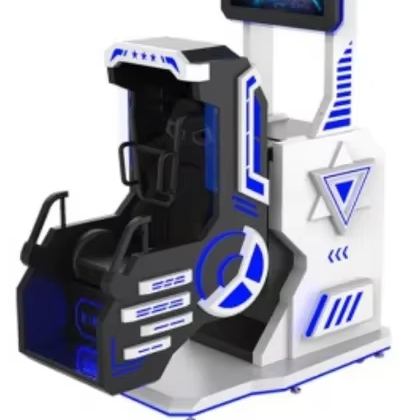
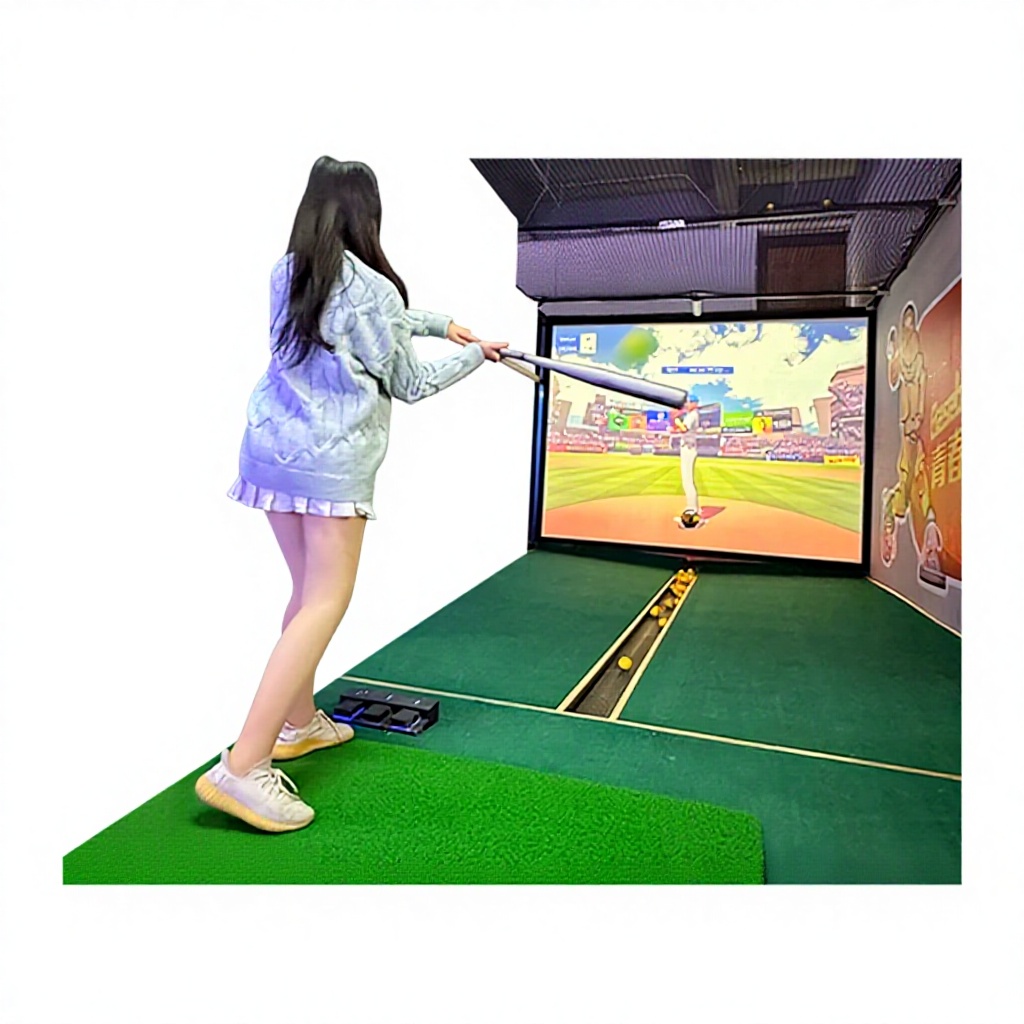
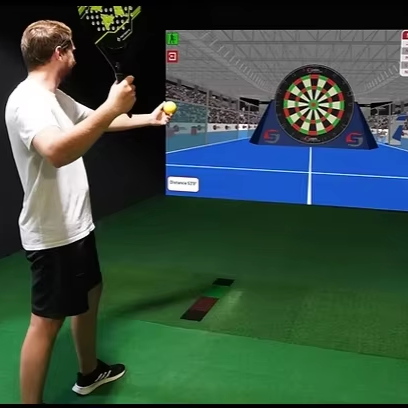
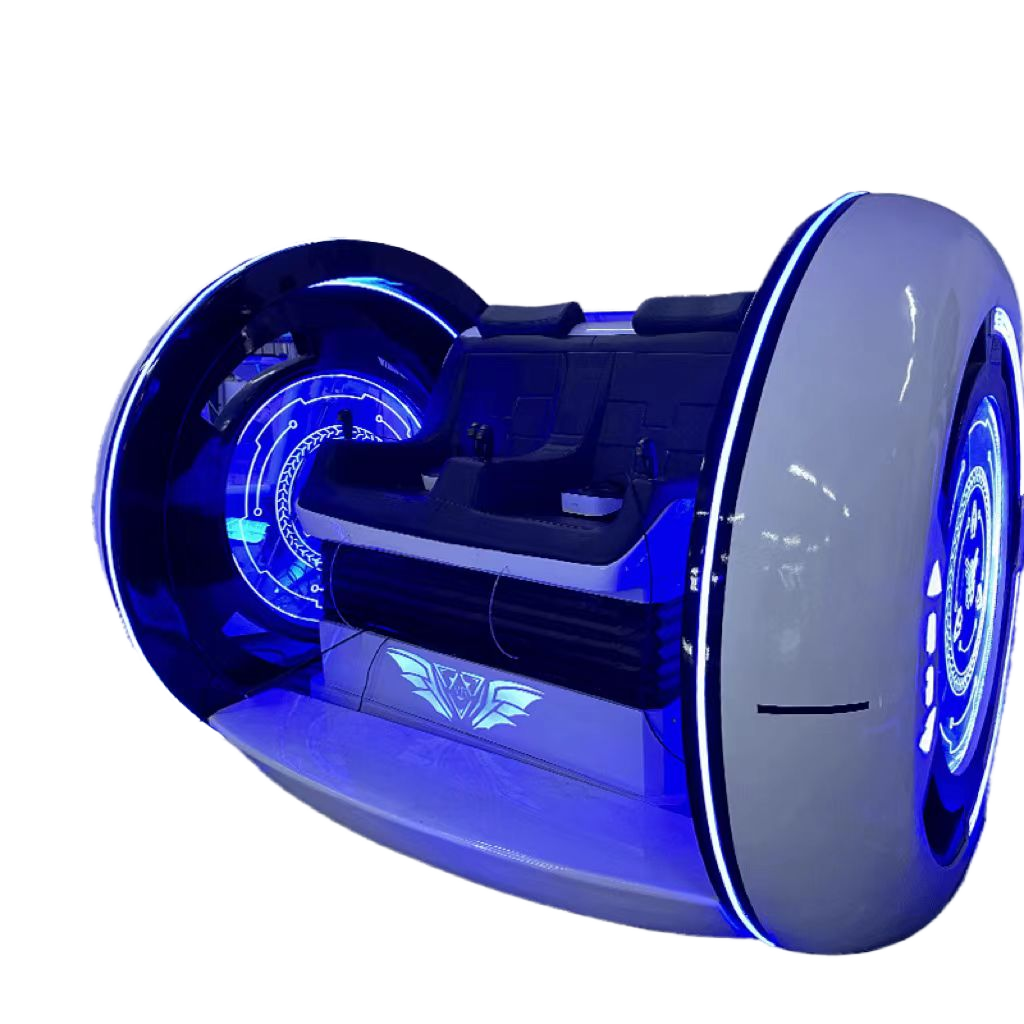
China's Hydraulic Machinery Industry & Electro-Hydraulic Innovation
An in-depth technical breakdown of state-of-the-art servo hydraulic presses, 6-DOF dynamic cylinder platforms, structural frame stress analysis, and factory procurement guidelines for international buyers.
1. Executive Overview: Evolution of Chinese Hydraulic Press Manufacturing
The global industrial press landscape has undergone a monumental shift toward high-precision electro-hydraulic hybrid systems, closed-loop servo control, and automated metal-forming cells. As a premier hub of heavy industrial manufacturing, China has consolidated its position as a world leader in engineering custom hydraulic presses, four-column forging systems, and high-dynamic multi-axis motion platforms. Operating from Guangzhou, Guangdong, UPT Machinery stands at the forefront of this technological transformation, combining heavy structural steel fabrication with micro-second digital valve actuation and precision motion control.
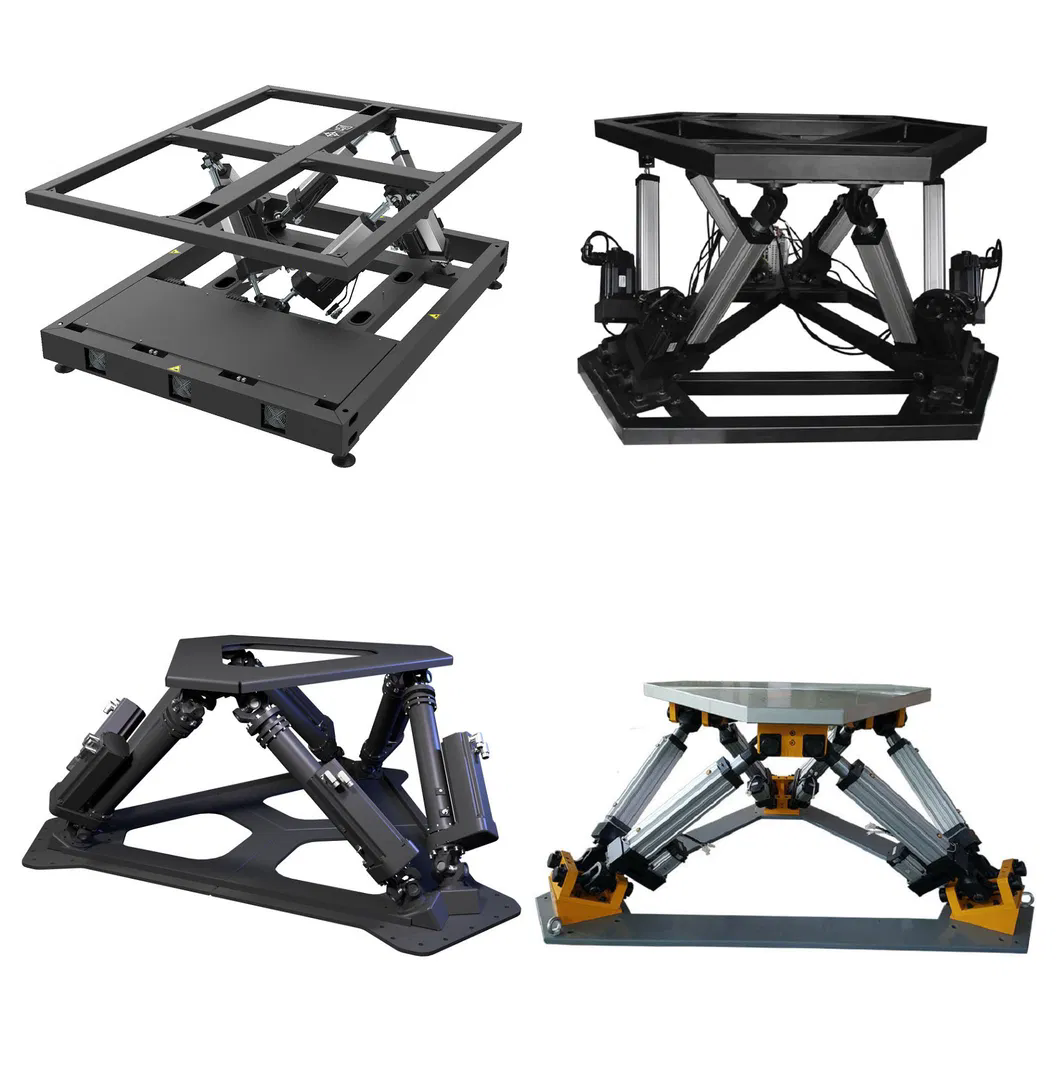
Hydraulic presses are the fundamental backbone of modern manufacturing—ranging from deep drawing automotive body panels, compacting powdered metallurgical alloys, and molding composite carbon fibers, to driving high-dynamic 6-DOF (Six Degrees of Freedom) electro-hydraulic motion platforms utilized in advanced simulation equipment. Modern industrial buyers demand more than raw force; they require absolute precision (positioning accuracy within ±0.01mm), high energy efficiency (up to 70% power reduction via servo-driven displacement pumps), thermal stability, and integrated IoT telemetry for predictive maintenance.
2. Engineering Rigor: Frame Architecture, FEA Modeling & Servo Actuation
To eliminate structural deflection during high-tonnage pressing or high-frequency dynamic motion, UPT Machinery employs rigorous Finite Element Analysis (FEA) during the structural CAD phase. Standard four-column and H-frame hydraulic structures are modeled under maximum load conditions to analyze von Mises stress distribution, principal strain vectors, and structural harmonic resonance.
In conventional fixed-displacement hydraulic presses, energy dissipation through heat is a primary cause of hydraulic oil degradation and operational inefficiency. UPT Machinery’s advanced electro-hydraulic systems integrate synchronous AC servo motors coupled directly with variable-displacement internal gear pumps. Key technical advantages of this servo-hydraulic architecture include:
- Dynamic Pressure-Flow Control (p/Q Regulation): Microsecond adjustments to motor RPM match exact instantaneous pressure and volumetric flow demands, cutting noise levels below 68 dB(A) and slashing standby power draw by up to 80%.
- Closed-Loop Linear Encoder Feedback: Optical or magnetic linear scales monitor ram positioning in real time, delivering sub-millimeter position repeatability essential for precision coining, punching, and composite compression molding.
- Proportional Servo Valves & Manifold Integration: Zero-lap proportional directional valves eliminate hydraulic shock (water hammer effect), extending hydraulic seal life and maintaining smooth motion transitions even under rapid stroke cycles.
Hydraulic System Specifications & Performance Comparison
Comparative structural metrics across standard four-column hydraulic presses, servo-electric hybrid systems, and dynamic 6-DOF electro-hydraulic motion platforms.
| Performance Parameter | Conventional 4-Column Press | High-Precision Servo-Hydraulic Press | Electro-Hydraulic 6-DOF Platform |
|---|---|---|---|
| Nominal Force / Load Range | 100 Tons – 5,000+ Tons | 50 Tons – 3,000 Tons | 1.5 Tons – 50 Tons Dynamic Load |
| Position Repeatability | ± 0.1 mm to ± 0.5 mm | ± 0.01 mm (Closed-loop encoder) | ± 0.05 mm / ± 0.01° angular |
| Response Time (Actuation) | 100 ms – 250 ms | 10 ms – 30 ms (Servo p/Q control) | < 5 ms dynamic servo loop |
| Energy Consumption | Baseline (100% Continuous Pump Run) | 35% – 70% Energy Reduction | Optimized Pulse-Width Servo Power |
| Hydraulic Oil Heating Rate | High (Requires active chiller) | Low (Minimal bypass dumping) | Medium (Controlled thermal exchange) |
| Control System Architecture | Standard Relay / Basic PLC | Industrial PC + EtherCAT Servo Drive | Multi-axis Motion Controller + Real-Time Bus |
| Structural Rigidity (FEA Verified) | 1/4000 frame deflection ratio | 1/8000 micro-deflection frame | High dynamic stiffness structural steel frame |
Why Partner with UPT Machinery
Combining heavy mechanical tooling engineering with state-of-the-art interactive digital human and simulator design under a audited TÜV Rheinland quality control framework.
TÜV Rheinland Verified Factory
Our 2,000 m² assembly base in Guangzhou, Guangdong, China underwent comprehensive on-site inspections by TÜV Rheinland. Legal registration, workshop layout, production tooling, and QA records are fully transparent and verified.
Full ODM & OEM Customization
From frame tonnage capacity, cylinder stroke length, and hydraulic manifold layout to control UI branding, coin/RFID systems, and content software libraries—we deliver end-to-end engineered solutions tailored to your market specifications.
In-House Hardware & Software Team
Our 69-person workforce brings together mechanical design, electrical wiring, hydraulic fluid dynamics, and software content engineering in a unified facility. This eliminates third-party integration friction and speeds up delivery cycles.
Rigorous Pre-Shipment Quality Protocol
Every hydraulic assembly and dynamic platform undergoes rigorous continuous burn-in testing, safety emergency-stop validation, and hydraulic leak checks before packing. Transit axle locks and foam packaging prevent sea freight damage.
Export-Ready Wooden Packaging
Machines ship in heavy-duty fumigation-free plywood crates reinforced with internal steel tie-downs. Optics, touch panels, and servo controllers are hermetically sealed with vapor-corrosion-inhibitor (VCI) protection.
24/7 Global Technical After-Sales
We supply comprehensive schematic wiring diagrams, step-by-step video installation guides, and spare-parts maintenance kits with every order. Remote online commissioning is coordinated by senior engineers via email at [email protected].
Future Sourcing & Technological Trends (2025–2030)
Key innovation drivers reshaping global procurement strategies for hydraulic presses, electro-hydraulic actuators, and smart industrial automation equipment.
1. Industrial IoT & AI-Driven Predictive Diagnostics
Modern hydraulic machinery is rapidly shifting from reactive maintenance to continuous IoT telemetry monitoring. Embedded sensors measure vibration frequencies, oil viscosity, particle contamination indices, and thermal dissipation in real time. AI algorithms predict hydraulic seal degradation and pump cavitation weeks before failure occurs, eliminating unplanned downtime for manufacturing facilities.
2. Ultra-Energy-Efficient Eco-Servo Drives
Rising electricity tariffs and global carbon reduction mandates are driving rapid replacement of legacy induction-motor hydraulic power units (HPUs). Variable-frequency servo pump technology reduces grid energy draw by up to 70%, lowers oil operating temperatures, minimizes reservoir volume requirements, and achieves rapid ROI payback within 14 to 18 months of continuous operational deployment.
3. Modular Electro-Hydraulic Motion Convergence
Industrial machinery design increasingly leverages modular, self-contained electro-hydraulic actuators (EHAs). By eliminating extensive external hydraulic piping and central fluid reservoirs, modular actuators unite electric servo precision with hydraulic force density—simplifying factory floorspace requirements and enabling fast plug-and-play installation.
Frequently Asked Sourcing Questions
Essential technical and commercial guidance for international buyers sourcing hydraulic presses and simulation machinery from China.
Is UPT Machinery an direct equipment factory or a trading supplier?
UPT Machinery operates its own verified 2,000 m² manufacturing and assembly facility in Guangzhou, China. Classified as a Custom Manufacturer with integrated export management capabilities, our premises, engineering workshops, and quality management systems are audited on site by TÜV Rheinland.
What customization parameters are available for OEM/ODM hydraulic projects?
We provide full engineering customization: nominal hydraulic press tonnage (from 10T to 3,000T+), ram stroke length, daylight opening, bed size, linear slide guidance configuration, servo motor pump integration, PLC interface languages, touch screen UI layout, safety light curtains, and automated loading/unloading robot integration.
How do you ensure structural integrity and dynamic accuracy during press operation?
Every frame structure undergoes computer-simulated Finite Element Analysis (FEA) to verify stress distribution under 125% overload conditions. During assembly, key mounting surfaces are precision machined via high-accuracy CNC milling centers. Final movement guidance is calibrated using laser interferometers and precision dial indicators.
What steps are taken to protect heavy hydraulic machinery during ocean freight delivery?
All mechanical slide guides and hydraulic cylinder rods are coated with anti-rust oil and wrapped in protective film. Hydraulic cylinders are mechanically locked with steel transit brackets to prevent internal valve movement. Units ship inside fumigation-free wooden export cases, backed by photographic container loading documentation provided prior to departure.
What warranty and technical support services are provided following delivery?
We supply a comprehensive documentation package including electrical/hydraulic schematics, BOM lists, maintenance schedules, and spare-parts startup kits. Our R&D engineering team provides 24/7 remote technical assistance, software updates, and video-assisted troubleshooting via [email protected].
How long is the typical lead time from contract signing to factory dispatch?
Standard model production typically ranges from 15 to 25 working days. Highly customized, heavy-tonnage hydraulic presses or multi-axis electro-hydraulic dynamic platforms require approximately 30 to 45 working days, inclusive of FEA simulation, precision machining, structural assembly, and comprehensive pre-shipment burn-in testing.
Request a Custom Engineering Quote Today
Send us your machine specifications, required tonnage, floor plan drawings, or project target parameters. Our technical engineering team will deliver a comprehensive customized proposal within 24 hours.