Commercial & Industrial Robotic Systems Showcase
Explore our TÜV-verified OEM robotics portfolio, integrating high-precision multi-axis motion, custom sensors, physical interactive systems, and spatial simulation hardware.

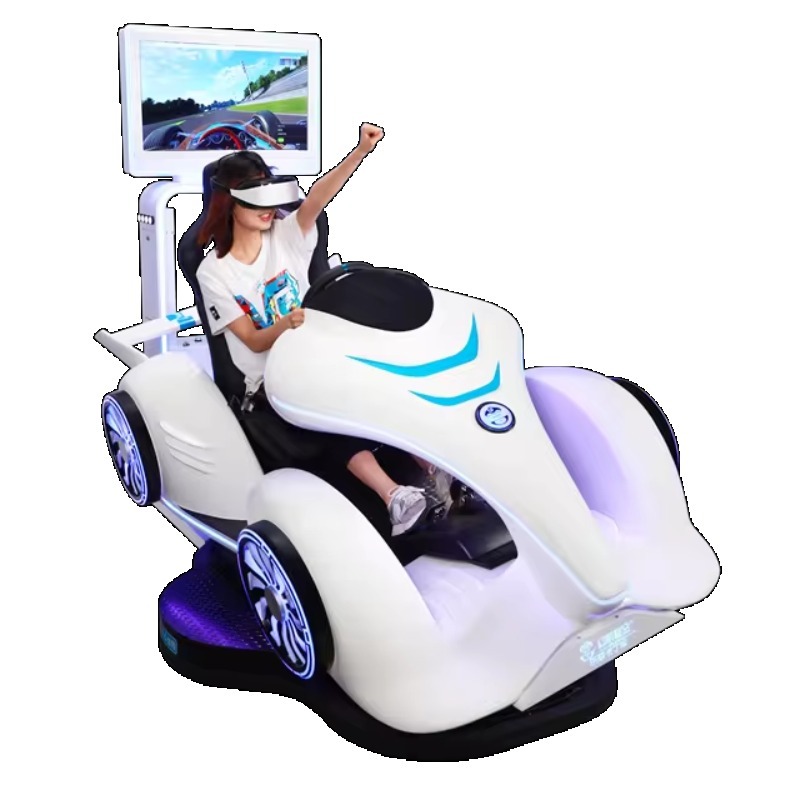
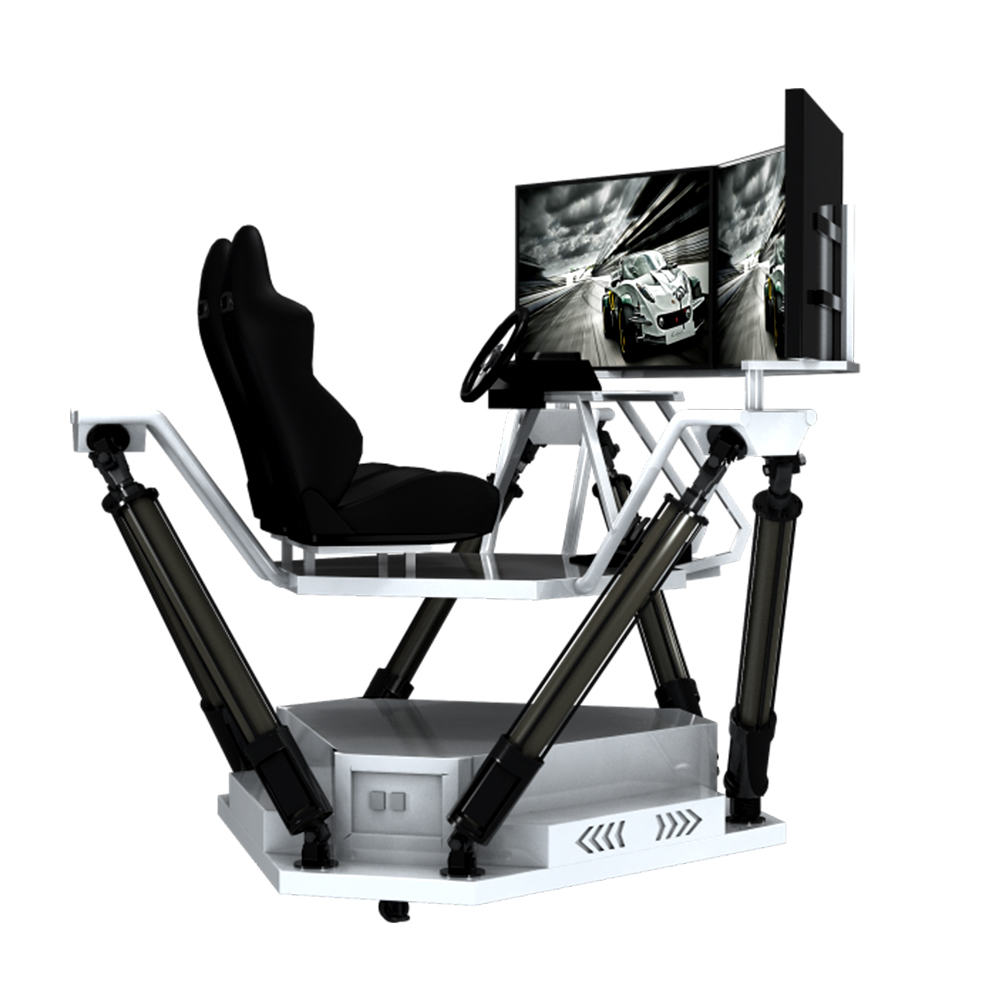
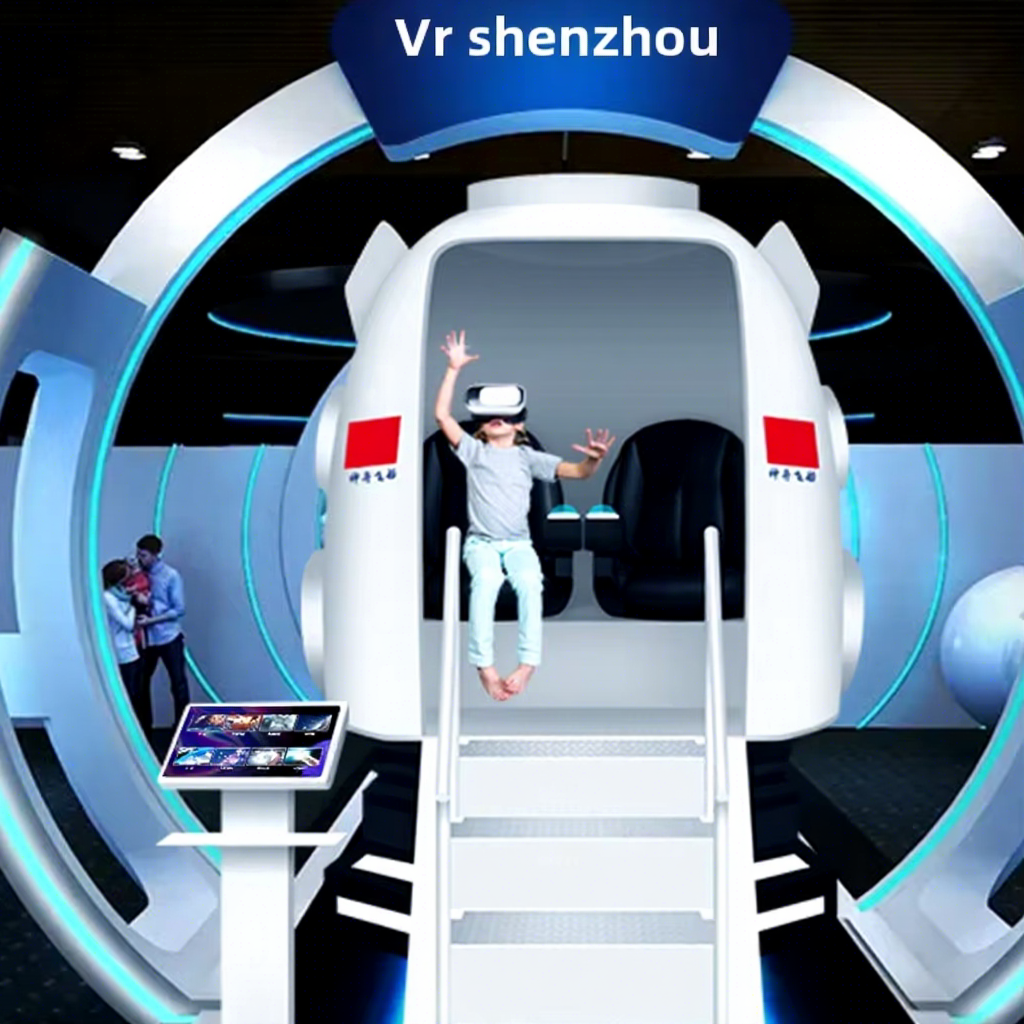
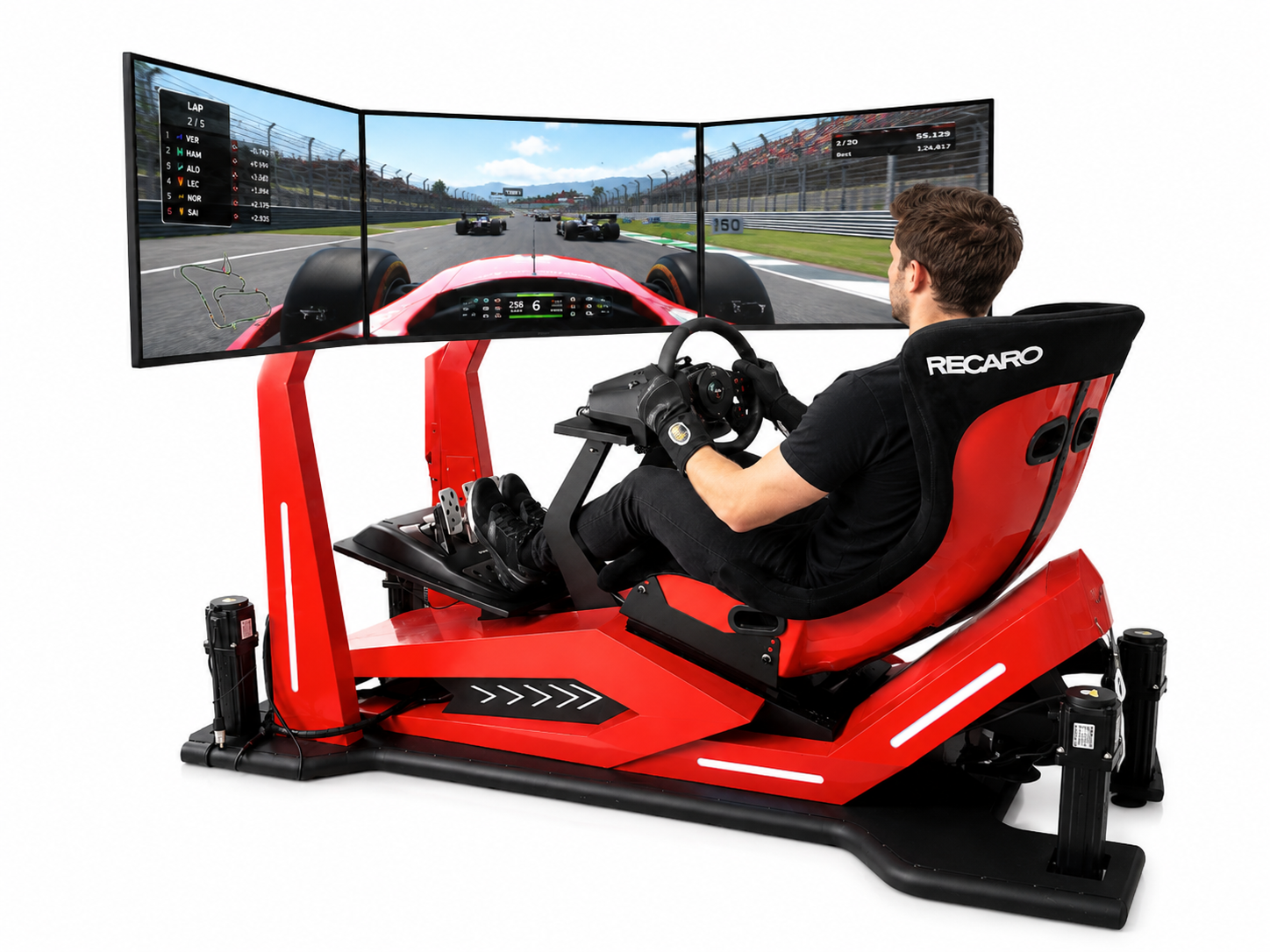
Executive White Paper: Custom OEM Industrial Robotics & Dynamic Automation
An Technical Procurement Blueprint for Industrial Systems Integrators, Global OEM Buyers, and Commercial Equipment Distributors
1. The Evolution of Custom OEM Industrial Robotics
Modern global manufacturing has transitioned from standardized, rigid automation lines toward modular, highly adaptable Custom OEM Industrial Robot Platforms. Factory automation demands are no longer restricted to static arm movements; enterprise buyers require integrated robotic solutions that combine dynamic payload handling, multi-axis linear kinematics, real-time sensor processing, and machine vision telemetry.
As a TÜV Rheinland-verified manufacturing facility, UPT Machinery bridges the gap between complex industrial robotics engineering and commercial dynamic application execution. Whether developing multi-DOF (Degrees of Freedom) motion simulation mechanics, interactive spatial sensor arrays, or unmanned service kiosks, enterprise procurement teams require verifiable technical documentation, precise structural tolerances, and predictable total cost of ownership (TCO).
2. Kinematic Motion Control & Multi-Axis Servo Architecture
At the core of high-performance custom industrial and commercial robotics is the integration of zero-backlash planetary reducers, high-torque AC servo motors, and real-time EtherCAT or CANopen industrial bus networks. Custom OEM factories must ensure that kinetic movements maintain precise angular resolution while operating under variable dynamic loads.
Our engineering architecture incorporates closed-loop feedback control loops that process encoder signals at frequencies exceeding 1 kHz. This technical standard minimizes latency between control algorithms and physical hydraulic or electric actuators, delivering smooth cueing, safety-critical emergency braking, and reduced physical component fatigue during 24/7 continuous industrial deployment.
Enterprise Factory Capacities & OEM/ODM Rigor
Why international procurement managers, commercial venue operators, and system integrators audit and partner with our Guangzhou manufacturing center.
On-Site TÜV Rheinland Verified
Our 2,000 m² assembly and fabrication premises underwent comprehensive on-site technical inspection by TÜV Rheinland. Legal business operations, manufacturing capacities, ISO quality workflows, and physical assembly lines are fully verified and documented in open buyer audit databases.
End-to-End Mechanical & Software ODM
We maintain dedicated in-house mechanical design, PCB electrical engineering, and Unity/Unreal spatial software development teams. Unlike sourcing brokers who white-label external components, our structural chassis, control electronics, and firmware are engineered under a single roof.
Industrial-Grade Testing Protocol
Every robot assembly, dynamic servo platform, and interactive sensory module undergoes strict pre-shipment burn-in testing. Axles are locked with reinforced transport brackets, electrical lines undergo dielectric isolation checks, and optical sensors are calibrated prior to packing.
Modular OEM Customization
From frame paint finishes, custom sheet-metal laser cutting, and load-bearing adjustments to custom payment gateways (coin-op, RFID, QR code), UI software re-skinning, and language localization, our platform adapts to your commercial model.
Fumigation-Free Export Crating
All machinery components are wrapped in moisture-resistant film, shock-absorbing high-density EVA foam, and fully sealed within fumigation-free plywood export crates. High-resolution loading logs are transmitted to buyers prior to port departure.
Lifecycle Technical & Remote Service
Our engineering support standard includes complete wiring schematics, assembly video documentation, spare-parts kits, and direct remote engineering support via [email protected] for continuous operation uptime.
Strategic Trends: The Future of OEM Robotics Procurement (2025–2030)
Market intelligence and technological trajectories shaping enterprise automation investment, dynamic hardware design, and supply chain strategies.
Electric Servo Dominance
Industrial dynamic platforms are rapidly replacing traditional hydraulic systems with all-electric linear servo actuators. Electric systems eliminate fluid leak risks, lower standby power draw by up to 45%, and reduce maintenance intervals while achieving higher kinematic velocity precision.
Convergence of AI & Kinematics
The integration of AI vision models, real-time spatial motion tracking, and adaptive motion algorithms allows dynamic equipment to adjust speed and trajectory instantly based on human user biometrics, physical inputs, or environmental sensor telemetry.
Modular Hardware Architecture
Global distributors increasingly demand standardized, plug-and-play mechanical frameworks. Modular sub-assemblies allow local technicians to perform component swaps (actuators, microcontrollers, display panels) without requiring specialized factory dispatch.
Hybrid Physical-Digital (Phygital)
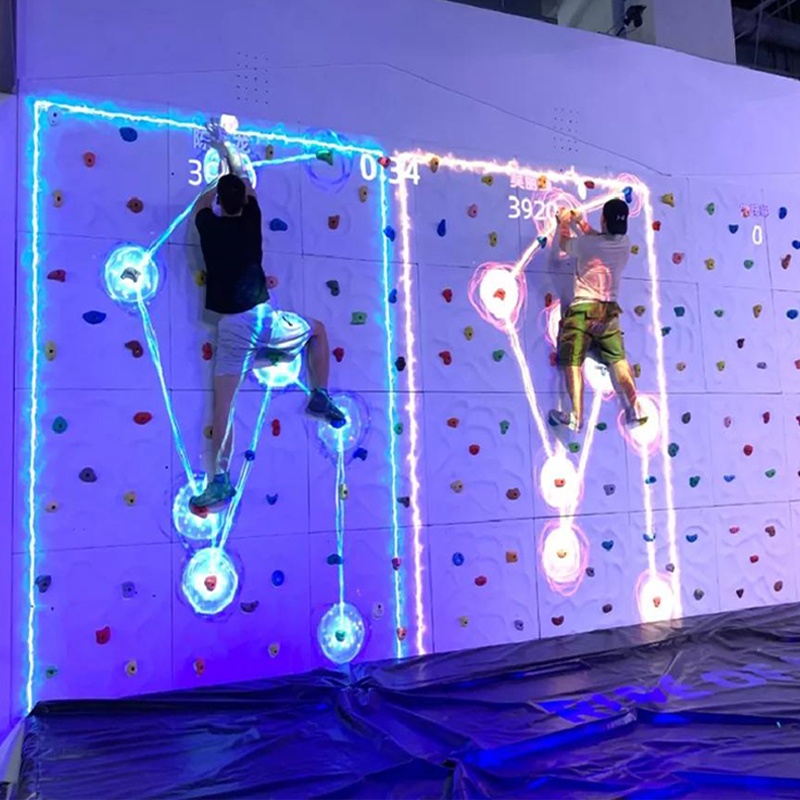
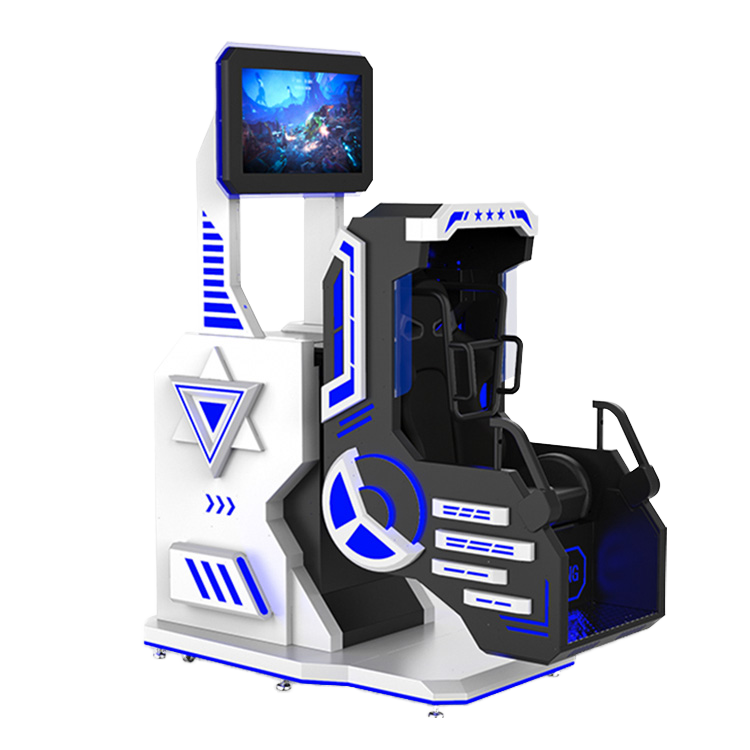
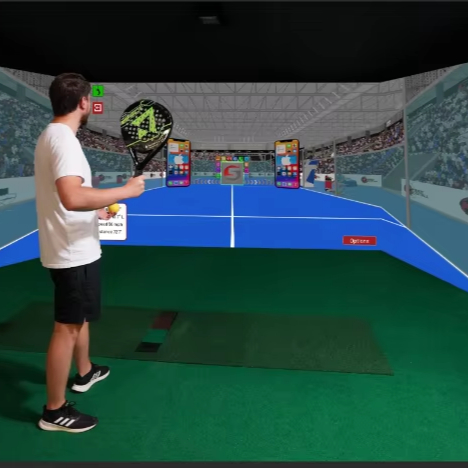
Commercial venues are shifting from purely digital VR or static displays to interactive physical environments. Heavy-duty pressure-inductive floor tiles, optical tracking walls, and dynamic motion seats represent the highest growing ROI segment in commercial entertainment.
Enterprise Procurement & Engineering FAQ
Addressing core technical questions, supply chain compliance, factory capabilities, and customization workflows for corporate buyers.
Is UPT Machinery an actual manufacturing factory or an export trading intermediary?
UPT Machinery operates an authentic 2,000 m² physical production, structural welding, electronic assembly, and testing facility in Guangzhou, China. We hold verified Custom Manufacturer status. Our premises, production line workflows, technical staff credentials, and export records are audited on site and verified by third-party inspection leader TÜV Rheinland.
What level of OEM and ODM customization is supported for custom robot chassis and simulators?
We offer full-spectrum structural, electrical, and software ODM services. This includes industrial sheet metal redesign, structural frame re-engineering for specific load profiles, dynamic linear actuator stroke length modification, custom color/branding powder coating, integrated payment systems (coin mechanism, credit card reader, RFID, bill acceptor), custom control software UI, language localization, and bespoke game/content integration.
How does your engineering team guarantee dynamic system safety and structural reliability?
Safety compliance is embedded into our hardware and software designs. All dynamic mechanical seats and multi-DOF platforms feature mechanical limit switches, electronic over-current protection, instant emergency stop controls, and reinforced safety harnesses. Structural steel frames are engineered using finite element analysis (FEA) to maintain high structural safety margins under continuous dynamic fatigue loading.
What quality control processes are conducted prior to ocean container loading?
Every manufactured unit undergoes a mandatory 48-hour continuous electrical and functional burn-in test cycle. Actuators, sensor arrays, display electronics, and software systems are verified under full load conditions. Before crate sealing, mechanical axles are physically locked using heavy-duty shipping brackets, optical elements are foam-sealed, and photographic inspection logs are archived for buyer clearance.
What are the lead times for custom OEM industrial and commercial dynamic machinery orders?
Standard production lead time for catalog equipment is typically 10 to 15 business days. Highly customized ODM projects—requiring custom mechanical CAD design, specialized fiberglass molding, or bespoke software UI development—generally ship within 25 to 35 days post sample design sign-off.
How is after-sales technical support and component replacement handled internationally?
Each machine shipment includes comprehensive electrical wiring diagrams, physical spare-parts kits (fuses, basic sensors, mechanical fasteners), and step-by-step installation videos. Our engineering team provides direct remote technical support, system diagnostics, and software updates via email ([email protected]) and live video commissioning channels.
Can UPT Machinery assist in complete venue layout planning and spatial load evaluation?
Yes. Enterprise clients can submit venue architectural floor plans, ceiling height constraints, power distribution limits, and target customer throughput requirements. Our engineering team provides 2D/3D floor layout plans, power load sheets, and capacity calculations to ensure seamless installation and maximum operational ROI.
Partner with a Verified Custom OEM Robotics Manufacturer
Submit your project specifications, custom machinery requirements, or venue layout plans directly to our engineering office. Request a detailed engineering quote and technical consultation today.