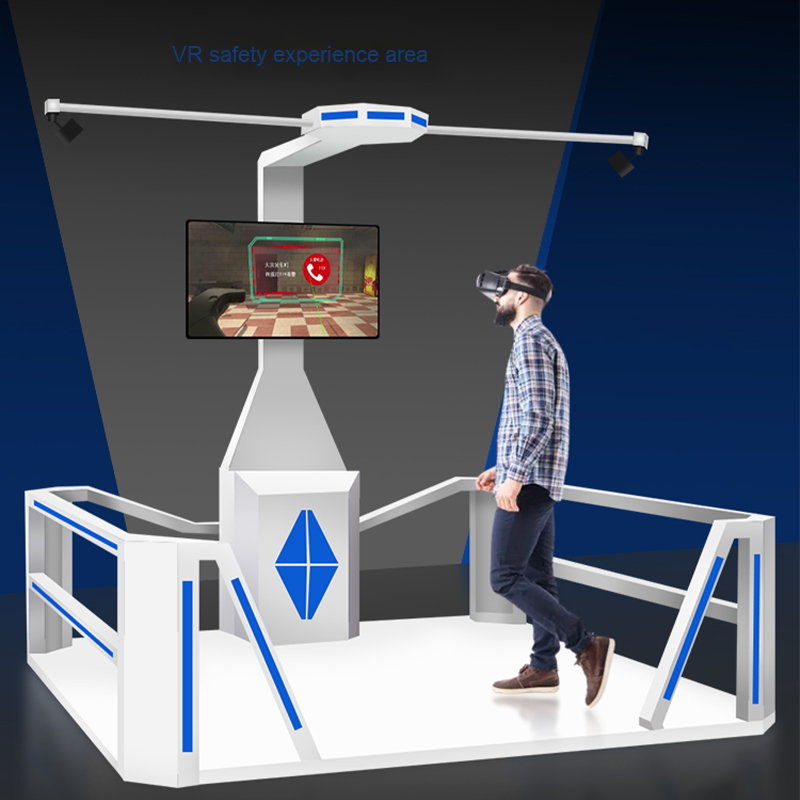
VR Interactive Training Experience Center Metal Equipment
Heavy-duty structural metal frame integrated with high-precision custom molded ABS/PC protective enclosures for safety simulation drills.
Explore Specifications ›Engineered through custom mold design, multi-cavity injection tooling, and high-impact metal-plastic dynamic integration.
Heavy-duty structural metal frame integrated with high-precision custom molded ABS/PC protective enclosures for safety simulation drills.
Explore Specifications ›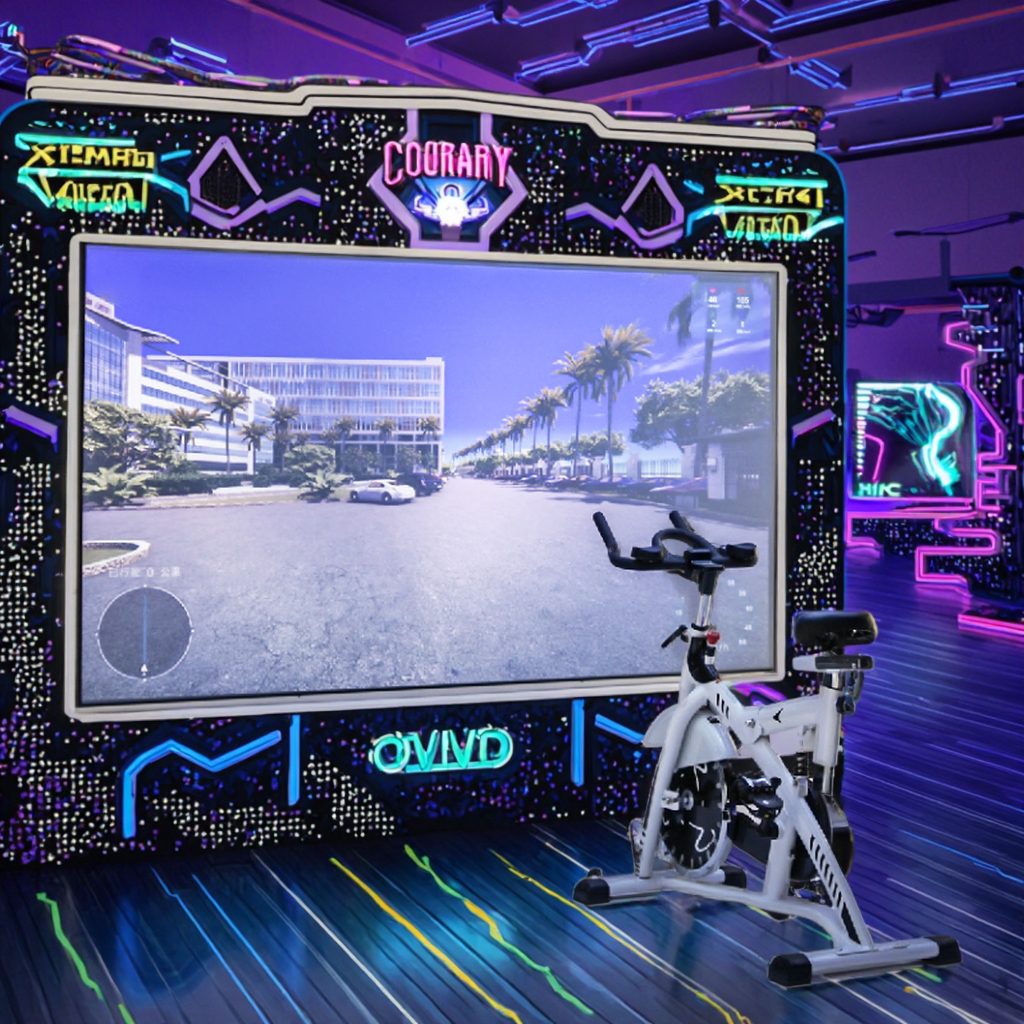
Ergonomic digital indoor cycling rig featuring custom-injected polymer covers, reinforced resin components, and digital feedback hubs.
Explore Specifications ›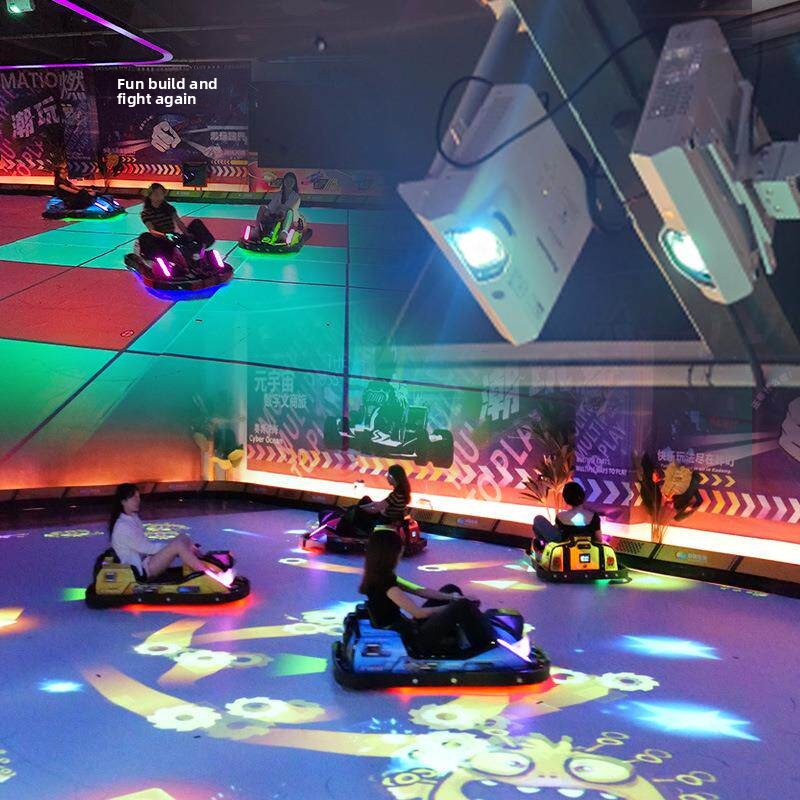
Impact-resistant molded polyethylene body with flame-retardant chassis housings, engineered for high-frequency commercial operation.
Explore Specifications ›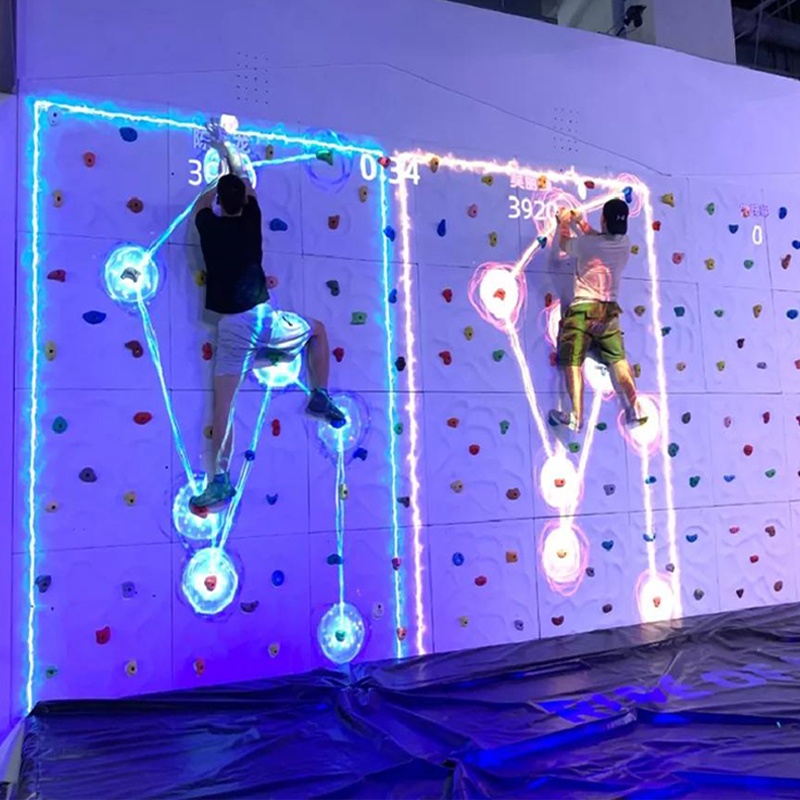
Seamless optical housing units molded with zero distortion lenses, impact-tested plastic bezels, and modular steel frames.
Explore Specifications ›
Industrial-grade molded tread plates combined with precision-machined steel support linkages for heavy payload stability.
Explore Specifications ›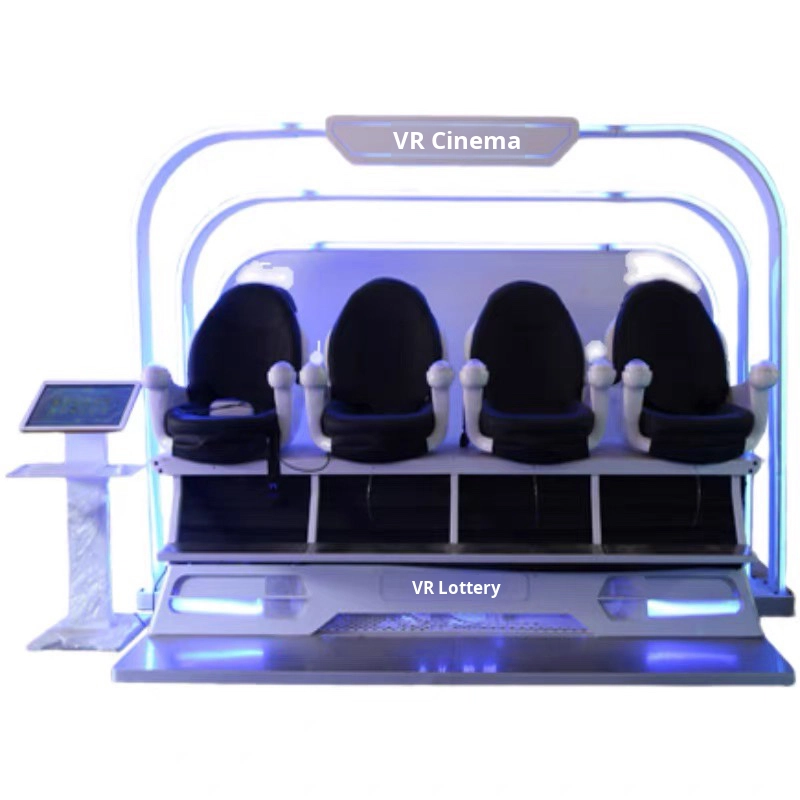
Aerodynamic fiberglass and injected plastic pod structure housing dual somatosensory motion seats and high-definition optics.
Explore Specifications ›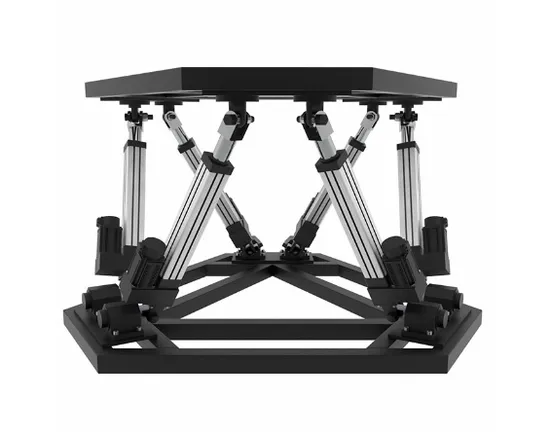
Custom engineered 6-axis dynamic platformUtilizing CNC-machined metal joints and overmolded plastic dampening bushings.
Explore Specifications ›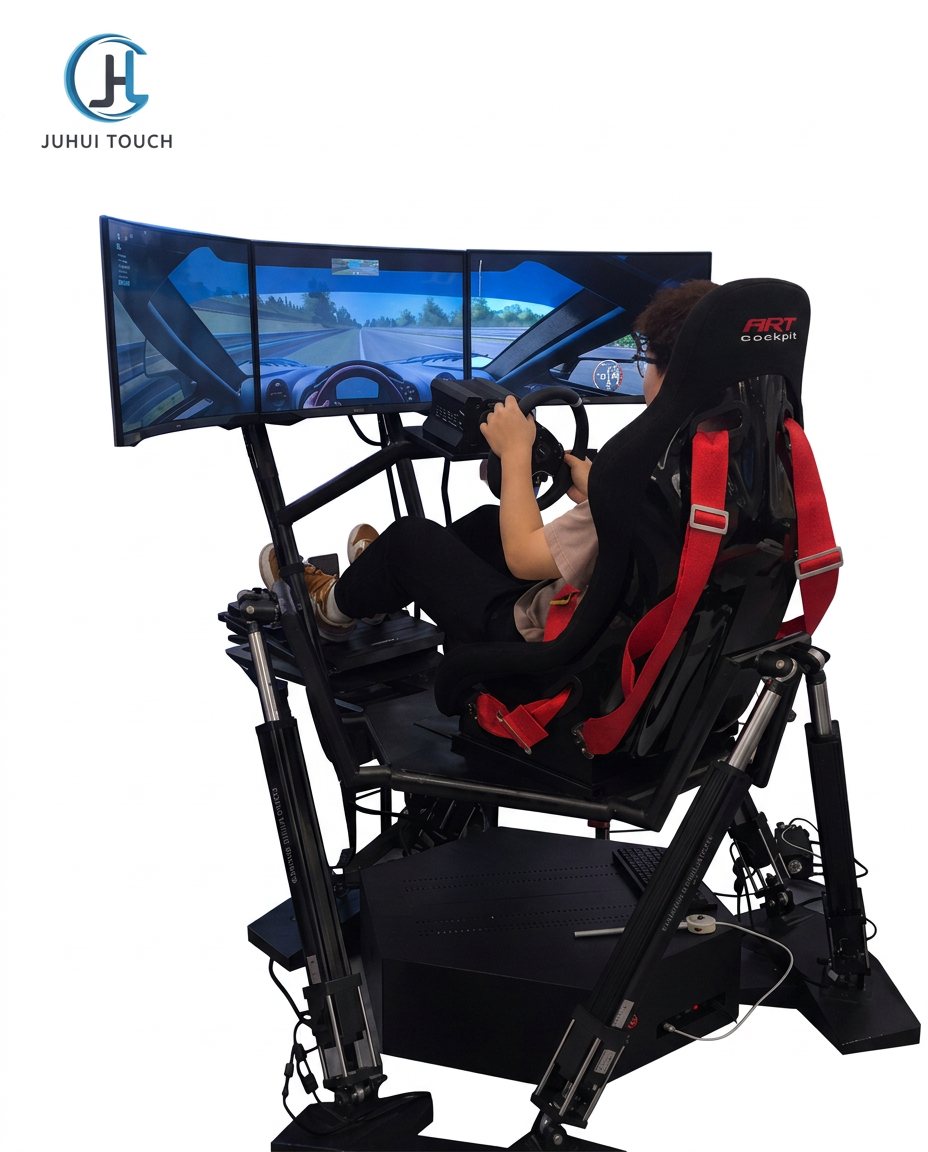
High-gloss SPI A-2 finish molded racing shell integrated with force-feedback wheel chassis and metal structural reinforcements.
Explore Specifications ›An engineering analysis of tooling tolerances, polymer selection matrices, and manufacturing integration for B2B procurement directors.
In the contemporary industrial manufacturing landscape, selecting a qualified OEM (Original Equipment Manufacturer) or ODM (Original Design Manufacturer) injection molding partner represents one of the most critical procurement decisions for global enterprises. The demand for plastic injection molding has evolved far beyond standard component stamping. Modern OEMs require high-precision engineering polymers, complex multi-cavity mold design, strict adherence to ISO tolerances, insert mold integration, and seamless structural assembly combining fabricated metals with overmolded plastics.
Whether manufacturing high-stress structural housings for commercial dynamic simulators, complex interactive kiosks, automotive interior trims, or high-volume consumer electronics, partnering with a supplier that maintains full internal control over tool steel tooling, mold-flow analysis, and injection parameter tuning is essential. This technical whitepaper outlines the foundational requirements, engineering methodologies, future technological shifts, and quality control protocols that define top-tier injection molding manufacturing facilities.
The transition from a CAD prototype to a mass-producible injection-molded component requires rigorous Design for Manufacturability (DFM) analysis. Leading OEM/ODM suppliers initiate every project with comprehensive computer-aided engineering (CAE) simulations to predict polymer melt behavior, thermal dissipation, and potential geometric distortions before cutting tool steel.
Advanced mold-flow software evaluates fill time, injection pressure, shear stress, and weld line formation. By optimizing gate placement (edge, submarine, or hot runner valve gates), engineers minimize air traps, sink marks, and residual internal stresses in thick-walled structural components.
Maintaining nominal wall thickness is critical to prevent differential shrinkage and warpage. OEM suppliers mandate draft angles of 1.0° to 2.5° per side for standard finishes, extending up to 5.0° for textured SPI/VDI surface finishes to guarantee smooth part ejection without pin push marks.
Selecting steel grades dictates tool life expectancy. Class 101 high-production molds utilize hardened H13 or S7 tool steel (50-54 HRC) capable of exceeding 1,000,000 cycles, while mid-volume prototypes leverage P20 pre-hardened steel for cost efficiency and rapid T1 sampling.
The structural integrity, environmental resistance, and surface cosmetic finish of injection-molded components depend directly upon the resin formulation. Modern OEM suppliers maintain deep technical expertise across amorphous, semi-crystalline, and reinforced engineering plastics.
| Polymer Resin Grade | Mechanical Characteristics | Thermal & Chemical Resistance | Primary OEM/ODM Applications |
|---|---|---|---|
| ABS (Acrylonitrile Butadiene Styrene) | High impact strength, superior dimensional stability, excellent paintability. | HDT @ 0.45MPa: 85°C–100°C. Moderate chemical resistance. | Equipment enclosures, simulator housings, arcade console shells. |
| PC + ABS Alloy | Combines PC tensile strength with ABS low-temperature ductility. | HDT @ 0.45MPa: 110°C–125°C. Flame retardant (UL94 V-0 options). | Interactive touchscreen frames, heavy-duty protective bezels. |
| PA66 + 30% Glass Fiber (Polyamide) | Exceptional tensile strength, high stiffness, superior wear resistance. | Continuous operation up to 150°C. Resistant to oils and solvents. | Internal structural brackets, gear assemblies, dynamic linkages. |
| PEEK (Polyether Ether Ketone) | Extreme tensile modulus, self-lubricating, ultra-high fatigue strength. | Melting point 343°C. Inert to almost all organic & inorganic chemicals. | Aerospace-grade motion platform bushings, high-stress bearings. |
| TPU / TPE (Thermoplastic Elastomer) | Flexible elastomeric memory, high tear strength, superior dampening. | Operating temperature range: -40°C to +90°C. Weather resistant. | Overmolded soft-touch handles, vibration dampeners, gasket seals. |
As global supply chains place greater weight on sustainability, automation, and rapid customization, injection molding suppliers are undergoing a technological transformation. Procurement teams must evaluate partners based on their adoption of next-generation manufacturing technologies:
A reputable OEM/ODM factory operates rigorous, multi-tiered quality assurance protocols throughout the tool development and production phases. Precision verification protocols include:
Automated Coordinate Measuring Machines (CMM) and optical 3D scanners inspect T1 sample parts against original CAD models, confirming geometric dimensioning and tolerancing (GD&T) down to ±0.005 mm.
Closed-loop color measurement ensures strict adherence to Pantone and RAL color specifications, measuring delta-E (ΔE < 0.8) across production batches under controlled light booths.
For dynamic electro-mechanical equipment, assembled enclosures undergo drop testing, cycle fatigue testing, thermal shock chambers, and vibration resistance verification.
Combining advanced multi-material manufacturing, onsite TÜV verification, and international engineering execution.
UPT Machinery operates an integrated 2,000 m² state-of-the-art production and assembly facility in Guangzhou, China. Verified on site by independent inspection authority TÜV Rheinland, UPT Machinery bridge the gap between heavy structural metal fabrication and high-precision plastic injection molding.
With an experienced internal team of over 69 engineers, mechanical technicians, and international support specialists, UPT Machinery delivers complete turnkey execution for complex interactive devices, dynamic 6-DOF simulator structures, AR sports systems, and custom industrial enclosures. By consolidating structural frame fabrication, injection molding, electrical wiring, and firmware installation under one quality management system, client lead times are significantly compressed while maintaining strict zero-defect standards.
Direct answers to key technical, logistical, and commercial inquiries for B2B buyer due diligence.
An OEM (Original Equipment Manufacturer) produces parts strictly according to client-provided CAD drawings, tooling specs, and material selections. An ODM (Original Design Manufacturer) handles the complete product lifecycle—providing conceptual design, engineering DFM, mold building, material testing, and turn-key manufacturing based on high-level performance specifications provided by the client.
Lead times depend on tool complexity and cavitation. Single-cavity prototype tools (P20 steel) generally require 15 to 25 business days for T1 initial sampling. High-cavitation production tooling (hardened H13 steel) typically takes 35 to 45 business days, including full CMM dimensional measurement reports and resin melt-flow optimization.
Upon payment completion, 100% of physical mold ownership and associated intellectual property belongs exclusively to the client. Molds are maintained at our facility with preventative maintenance protocols (regular greasing, core pin inspections, dry storage) at no additional charge for the duration of production contracts.
We employ an integrated Quality Management System (QMS). Structural steel frames undergo robotic laser cutting, CNC bending, and weld seam ultrasonic inspection. Molded plastic covers undergo CMM dimensional validation and fit-check trials against the metal chassis prior to final spray coating, wiring integration, and pre-shipment burn-in testing.
We support all standard SPI (Society of Plastics Industry) and VDI 3400 texture finishes. Options range from SPI A-1 high-gloss optical mirror polish for lenses and display bezels, to SPI B-2 semi-gloss for structural covers, down to SPI D-3 heavy sandblast texture for wear-resistant footrests and industrial grips.
Products are individually protected using anti-static foam wraps, corner guards, and vacuum-sealed moisture barrier bags. Heavy machinery and dynamic equipment are secured with transport lock pins on all motion axles and packed inside fumigation-free plywood export cases reinforced with steel banding.
Submit your 3D CAD models (STEP/IGES/X_T) or project requirements. Our engineering team provides DFM feedback, mold flow feedback, and transparent itemized pricing within 24 hours.