

Executive Sourcing Report: Navigating Top Trusted 3D Printer Factories & Hardware Suppliers
The global manufacturing ecosystem is undergoing an unprecedented paradigm shift. As smart factories, rapid prototyping demand, and additive manufacturing (AM) transition from rapid prototyping to full-scale industrial production, enterprise procurement officers and global distributors face complex challenges. Evaluating top-trusted 3D printer factories and hardware suppliers requires a comprehensive understanding of kinematic precision, thermal stability, custom ODM capabilities, and certified quality management standards.
Modern additive manufacturing is no longer restricted to desktop consumer printing. Enterprise-grade FDM (Fused Deposition Modeling), SLA (Stereolithography), SLS (Selective Laser Sintering), and Direct Metal Laser Sintering (DMLS) printers require strict mechanical engineering, high-precision linear actuators, closed-loop firmware optimization, and robust thermal insulation chambers. Sourcing from verified manufacturers ensures operational longevity, low Total Cost of Ownership (TCO), and seamless integration into automated industrial workflows.
Key Sourcing Takeaway: Working directly with TÜV Rheinland-audited custom manufacturers eliminates intermediary markups, guarantees full component traceability, and delivers customized ODM firmware/hardware integration optimized for enterprise throughput.
Technological Evolution & Additive Manufacturing Industry Landscape
To establish competitive advantages in global sourcing, procurement teams must analyze the core technological vectors currently transforming the 3D printer and specialized digital fabrication hardware sector. The convergence of artificial intelligence, high-speed CoreXY motion architectures, and high-temperature extrusion mechanisms has redefined output quality and volumetric build speeds.
1. High-Speed Kinematics and Motion Control Architectures
Traditional Cartesian 3D printers are rapidly being superseded by high-speed CoreXY and Delta kinematic arrangements. By keeping stepper motors stationary and reducing moving mass, modern industrial 3D printing equipment achieves acceleration rates exceeding 20,000 mm/s² and printing speeds above 600 mm/s. Sourcing officers must verify that manufacturing partners employ CNC-machined aluminum gantries, dual-linear guide rails, and active vibration resonance compensation (input shaping firmware) to prevent ghosting and ringing at elevated speeds.
2. Thermal Closed-Loop Chambers and High-Temperature Materials
Industrial applications increasingly demand high-performance thermoplastics such as PEEK, PEI (Ultem), Carbon-Fiber Reinforced Nylon (CF-PA), and Polycarbonate. Printing these engineering polymers requires active chamber heating up to 90°C–130°C and nozzle temperatures reaching 450°C. Trusted suppliers integrate water-cooled hotends, dual-gear direct drive extruders, and isolated electronics enclosures to maintain structural stability under continuous thermal stress.
3. Multi-Technology Integration: Bridging 3D Printing with Simulation & Interactive Hardware
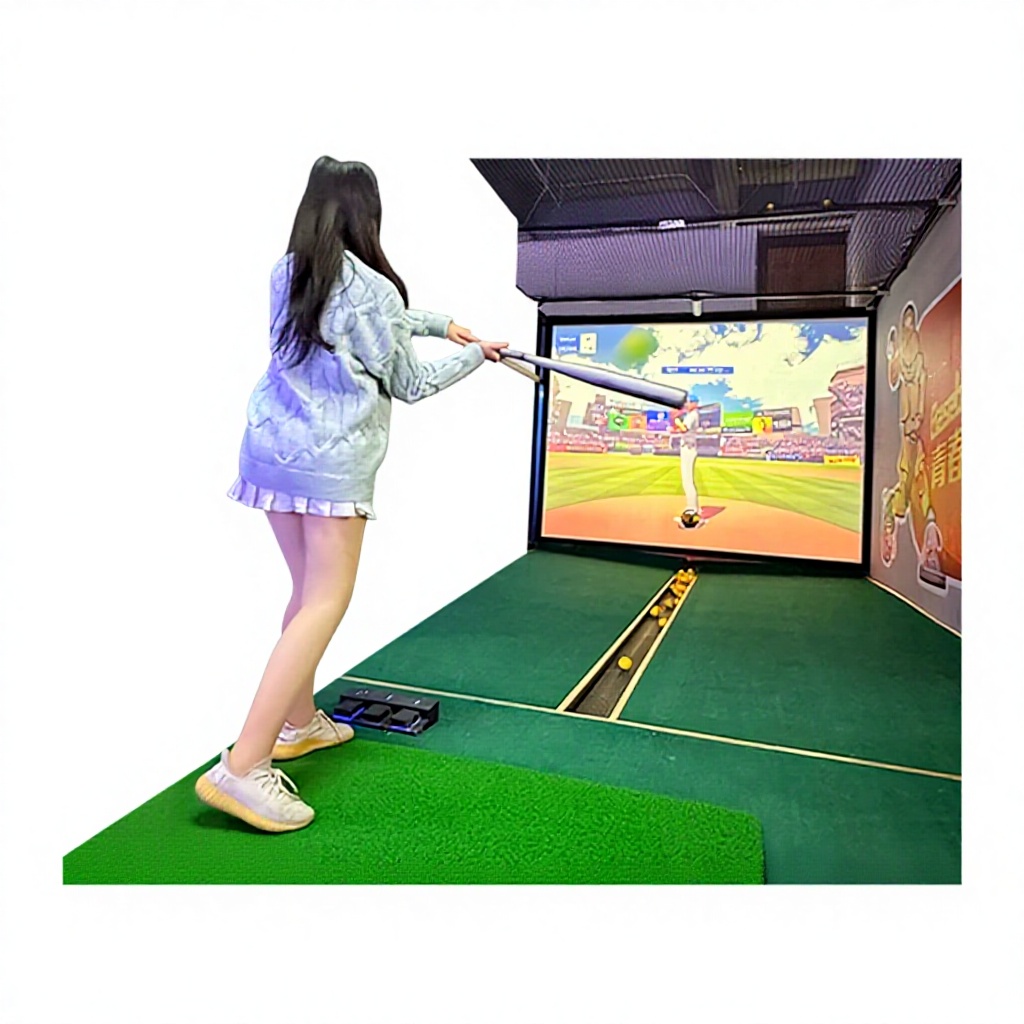
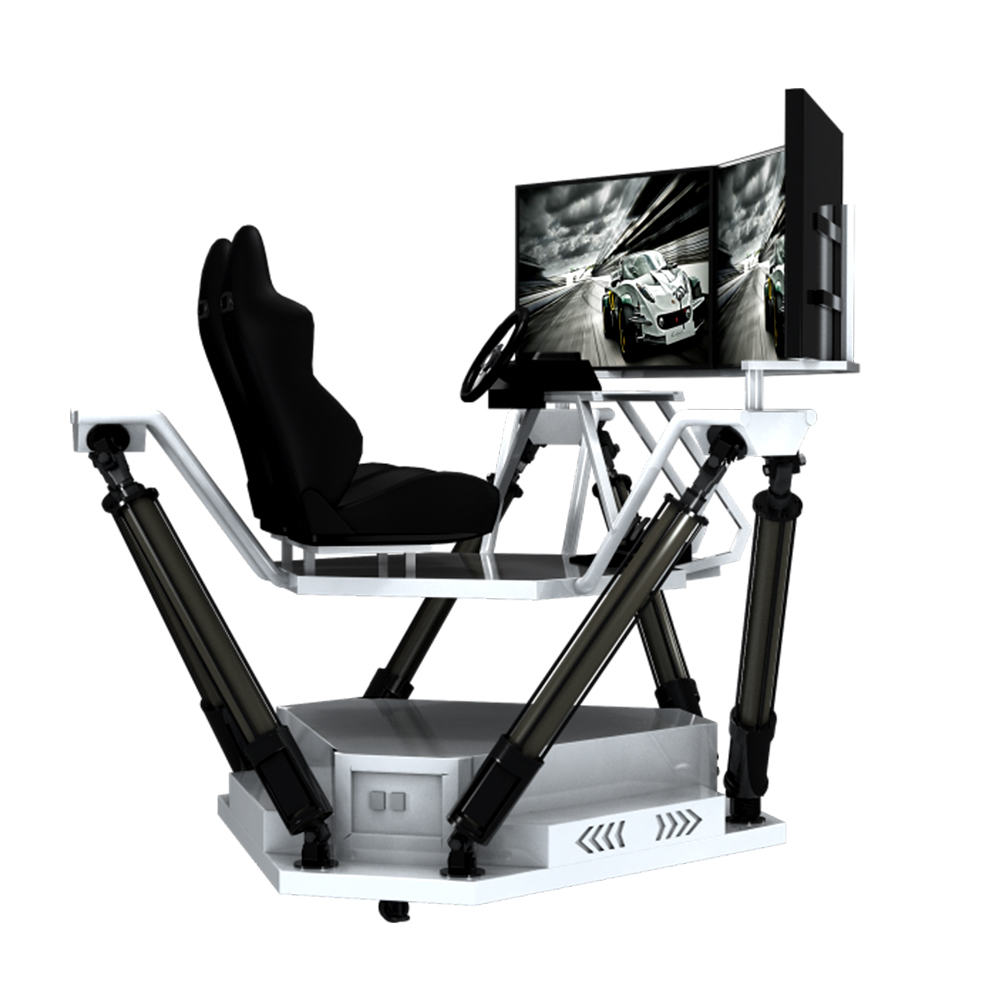
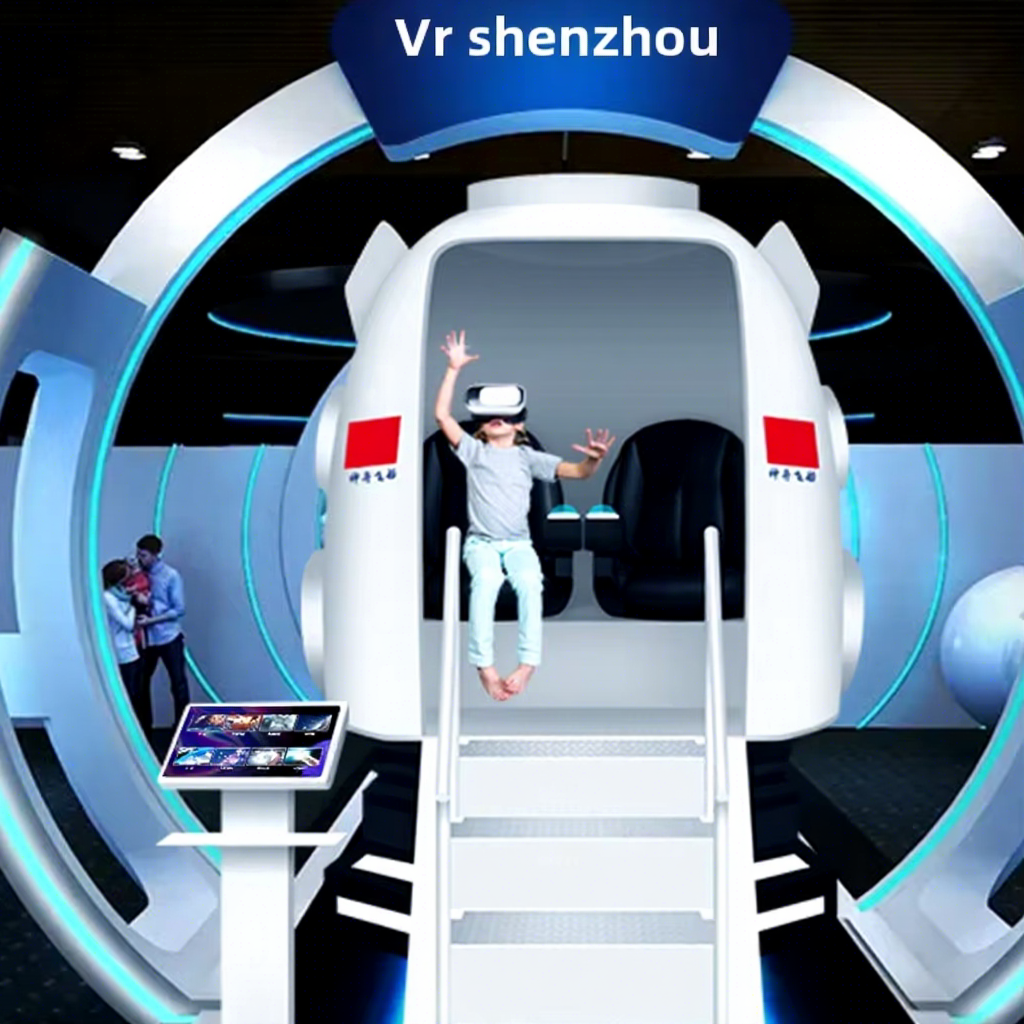
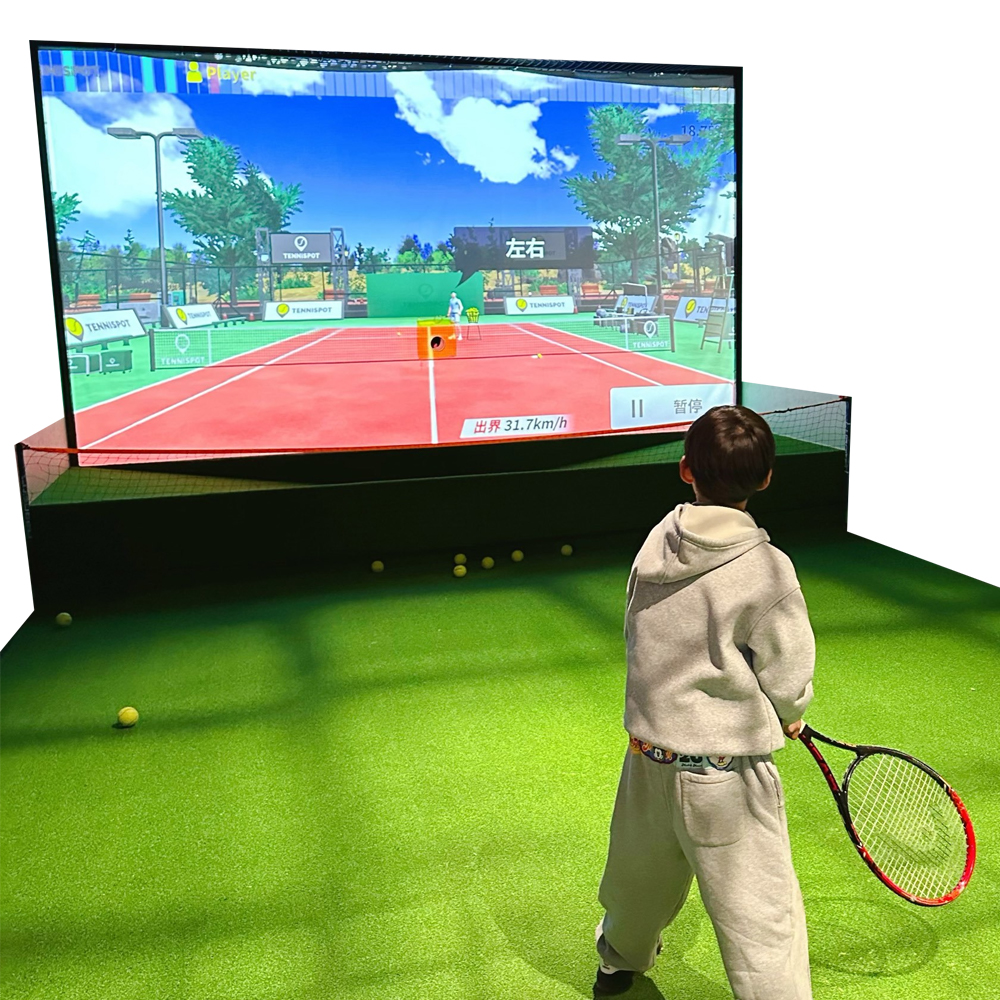
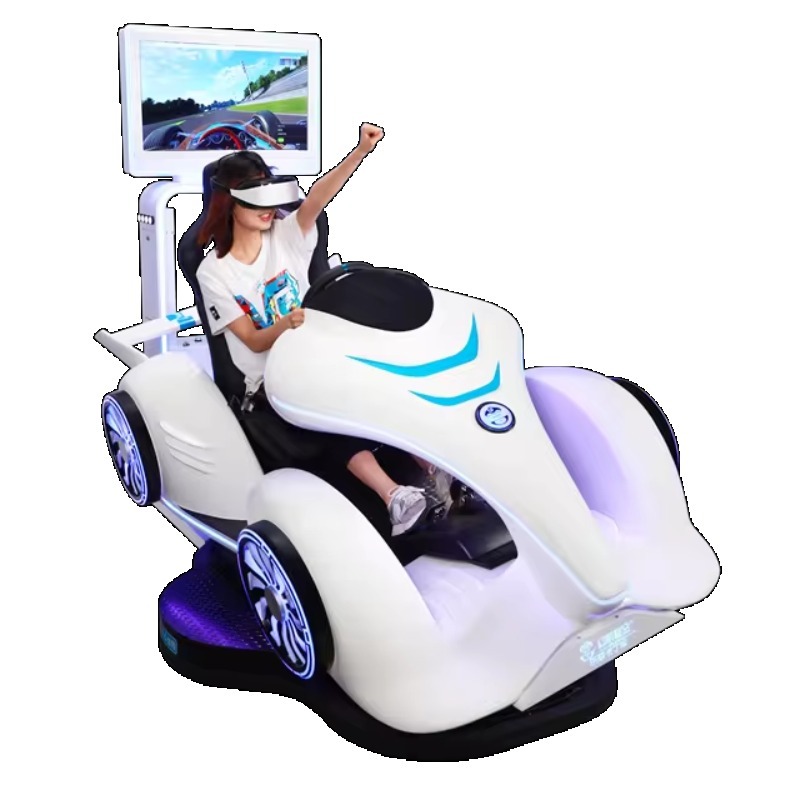
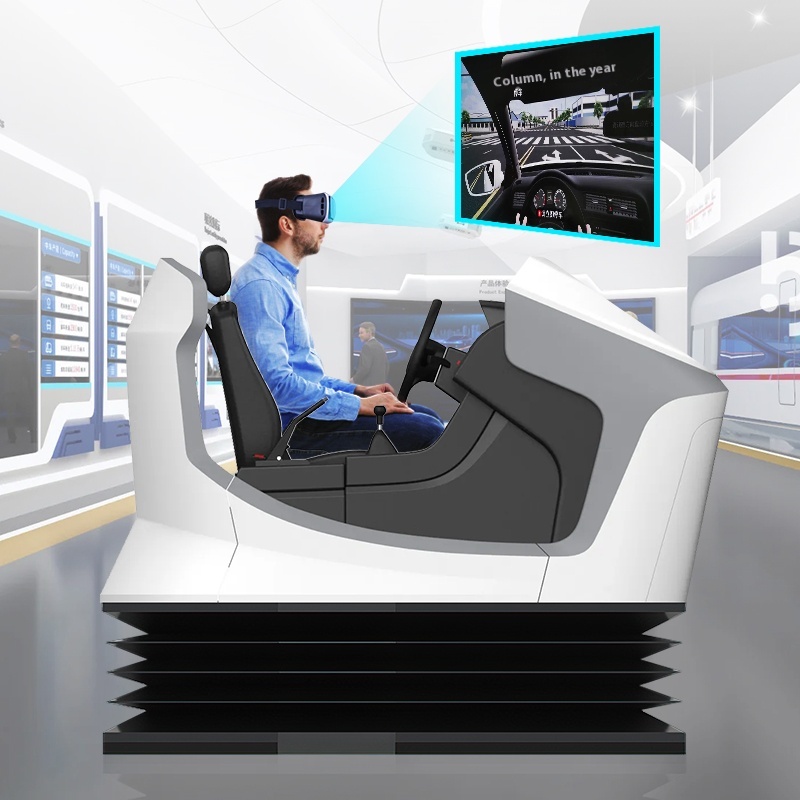
Leading hardware manufacturing facilities—such as UPT Machinery's 2,000 m² audited production base—demonstrate how advanced digital fabrication techniques directly support the mass customization of complex mechatronic systems. From multi-axis motion platforms in 9D VR simulators to dynamic arcade cockpits, precision structural frames and custom enclosure panels rely on industrial 3D printing, CNC machining, and heavy-duty steel fabrication. This vertical integration guarantees structural integrity across diverse hardware product lines.
Full ODM & Customization
Complete structural, paint, branding, control software, language localization, and mechanical adaptation built to exact buyer specifications.
TÜV Onsite Verified
Independently inspected manufacturing facility, legal compliance, standardized assembly lines, and documented quality inspection protocols.
Rigorous Burn-in QC
Pre-shipment functional testing, dynamic multi-axis motion calibration, electrical load verification, and zero-defect packaging checks.
2026–2030 Future Sourcing Trends in Additive Manufacturing & Industrial Fabrication
As international supply chains emphasize resiliency and technological agility, procurement trends within the 3D printing and industrial hardware sector are pivoting toward five core operational methodologies:
- AI-Driven Predictive Slicing & Defect Detection: Next-generation industrial printers integrate in-situ optical monitoring systems. Utilizing high-resolution cameras and computer vision, these systems continuously inspect layer deposition in real time, automatically pausing jobs upon detecting layer separation or nozzle clogging, thereby eliminating material waste.
- Automated Post-Processing Integration: Sourcing priority is shifting toward suppliers who offer turnkey solutions—combining 3D printing hardware with automated support-removal stations, UV curing chambers, and surface polishing machinery to minimize manual labor costs.
- Green Manufacturing & Bio-based Polymers: Environmental regulations (including EU Carbon Border Adjustment Mechanisms) are driving demand for energy-efficient heaters, closed-loop filtration (HEPA/Activated Carbon), and compatibility with recycled or bio-composite filaments.
- Hybrid Production Cells (Additive + Subtractive): Enterprise buyers favor factories capable of producing hybrid equipment that combines multi-axis FDM/SLS deposition heads with high-speed CNC milling spindles on a single gantry platform.
- Modular Architecture for Rapid Maintenance: Sourcing managers insist on standardized toolheads, quick-swap nozzles, CAN-bus motherboard wiring, and modular power distribution boxes to drastically lower mean time to repair (MTTR).
Technical Benchmark: Evaluating Industrial Sourcing Criteria
The following matrix outlines the critical technical parameters procurement managers must evaluate when comparing industrial 3D printing factories and custom hardware manufacturers:
| Evaluation Vector | Entry-Level / Commercial Tier | Industrial Grade / Enterprise Tier | UPT Custom ODM Benchmark |
|---|---|---|---|
| Build Volume Capacity | 220 x 220 x 250 mm | 500 x 500 x 600 mm + | Full Custom Scale / Modular Cabinets |
| Kinematic Structure | Cartesian (Bed-Slinger) | CoreXY / Heavy Linear Guides | Reinforced Steel Frame + Multi-Axis Motion |
| Thermal Capabilities | Nozzle 260°C / Bed 100°C | Nozzle 450°C / Active Chamber 90°C | Industrial Thermal Management & Cooling |
| Quality Assurance | Basic Batch Sampling | ISO9001 Self-Audit | TÜV Rheinland Onsite Verification |
| Software & Firmware | Open-Source Marlin / Basic UI | Custom Klipper / Enterprise Suite | Tailored UI, Language Packs & SDK Access |
| Export Packaging | Standard Cardboard Box | Plywood Case + Foam Insert | Fumigation-Free Plywood + Axle Lock Brackets |
Enterprise Strengths: Why Partnering with UPT Machinery Drives Procurement ROI
Located in Guangzhou's Fengsheng Creative Park, UPT Machinery represents the gold standard in specialized custom hardware manufacturing, motion simulation engineering, and interactive digital display production. Spanning a 2,000 m² modern assembly base, our facility combines robust mechanical fabrication with advanced software development.
Our operational capabilities include:
- TÜV Rheinland Verification: Our production lines, assembly floorspace, management team, and technical capabilities have undergone rigorous onsite inspection by independent third-party auditor TÜV Rheinland, providing complete transparency for international buyers.
- Integrated Technical Team: With over 69 specialized engineers and technicians on-site, mechanical structural design, electrical control routing, and software/content engineering are executed under one roof.
- Robust OEM/ODM Customization: From structural sheet-metal modifications and high-durability powder coating to custom PCB integration, multi-screen display arrays, and coin/RFID/cashless payment systems, every unit is tailored to your target venue requirements.
- Export-Ready Logistics Security: We enforce strict protective packaging standards. Motion platform axles are secured using custom transport brackets, optical screens are protected with high-density anti-shock foam, and entire shipments are sealed inside fumigation-free plywood export crates.
Enterprise Sourcing FAQ: Frequently Asked Procurement Questions
Here are explicit technical answers to the most common questions raised by global distributors, procurement agencies, and commercial venue operators:
Is UPT Machinery a factory or a trading company?
UPT Machinery operates its own 2,000 m² physical manufacturing and assembly facility in Guangzhou, China. We are classified as a Custom Manufacturer with integrated international trading capability. Our factory premises, production lines, and quality control procedures were inspected on-site by TÜV Rheinland.
How does your factory handle custom OEM and ODM orders?
We provide full customization options, including cabinet geometry, mechanical load limits, motion platform stroke length, screen integration, custom powder-coat branding, control interface UI, localized language support, and integrated commercial payment modules. Technical drawings and 3D renderings are confirmed prior to production.
What quality assurance steps are taken before shipping overseas?
Every piece of equipment undergoes raw material incoming inspection, multi-point assembly verification, and continuous burn-in function testing under full electrical load. Motion systems undergo dynamic stress testing, and visual photo/video inspection reports are sent to buyers before container loading.
How do you protect heavy equipment and optics during freight transit?
Heavy dynamic axles and mechanical gantries are locked into place using specialized metal shipping brackets to prevent vibration damage during ocean transport. Sensitive electronic displays, lenses, and glass components are wrapped in thick EPE foam inside custom fumigation-free plywood wooden cases.
What after-sales service and technical maintenance support are available?
Each shipment includes detailed electrical wiring schematics, assembly video guides, operational manuals, and an initial consumable spare-parts kit. Our technical team provides remote video commissioning, firmware updates, and continuous technical support via official communication channels.
What leads times and MOQs apply to industrial equipment orders?
We accommodate flexible order quantities starting at 1 unit for sample evaluation. Standard production lead time for customized units ranges between 15 to 25 business days depending on technical specifications, with expedited manufacturing options for project contracts.