High-Precision Industrial & Motion Equipment
Explore our export-ready machinery, 6-DoF dynamic motion platforms, interactive sports simulators, and precision hardware built to TÜV-inspected manufacturing standards.

Factory 9d Vr Indoor Car Racing Virtual Reality Game Simulator
Commercial grade dynamic racing simulator equipped with precision force feedback systems and heavy-duty steel chassis.
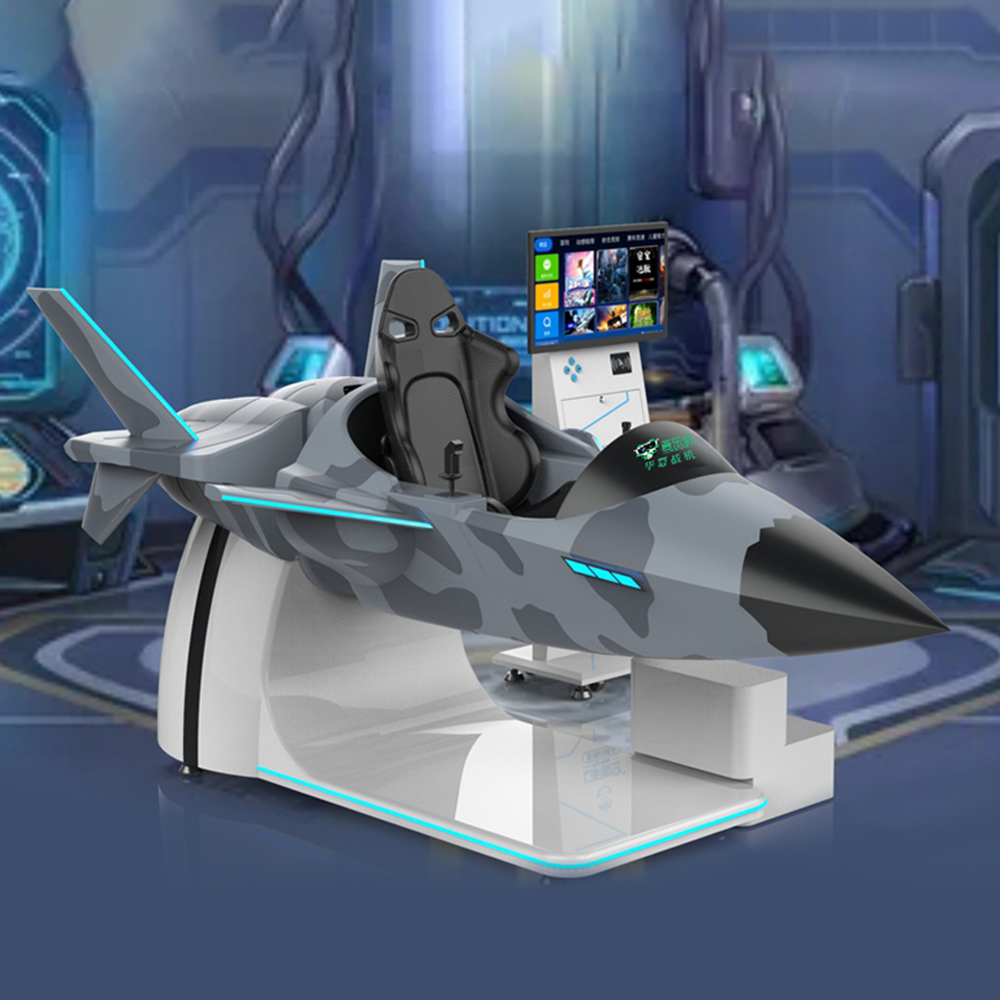
9D VR Racing Simulator Flying Cinema VR Gaming Console
Multi-axis flight and racing motion console engineered with high-rigidity structural frame for commercial arcade operations.
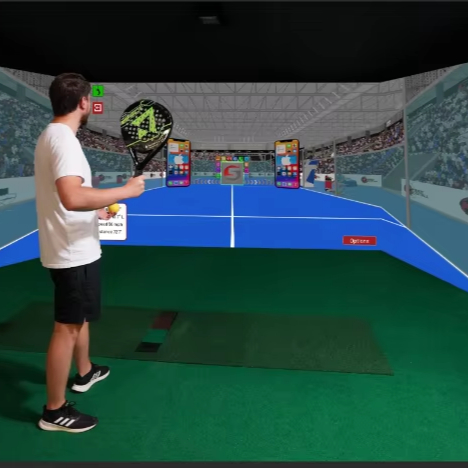
Interactive Indoor Fiberglass Metal Padel & Tennis Simulator
Precision radar tracking system integrated into fiberglass and metal structural housing for indoor sports centers.

Interactive Indoor Soccer Simulator 800fps Laser Touch Wall
High-speed 800fps optical sensor tracking wall with rugged impact-resistant steel and acrylic enclosure.

Infrared Laser Guns 2-Player Projection Interactive Arcade
Dual-player tactile feedback system featuring optical laser target tracking and modular steel cabinet construction.
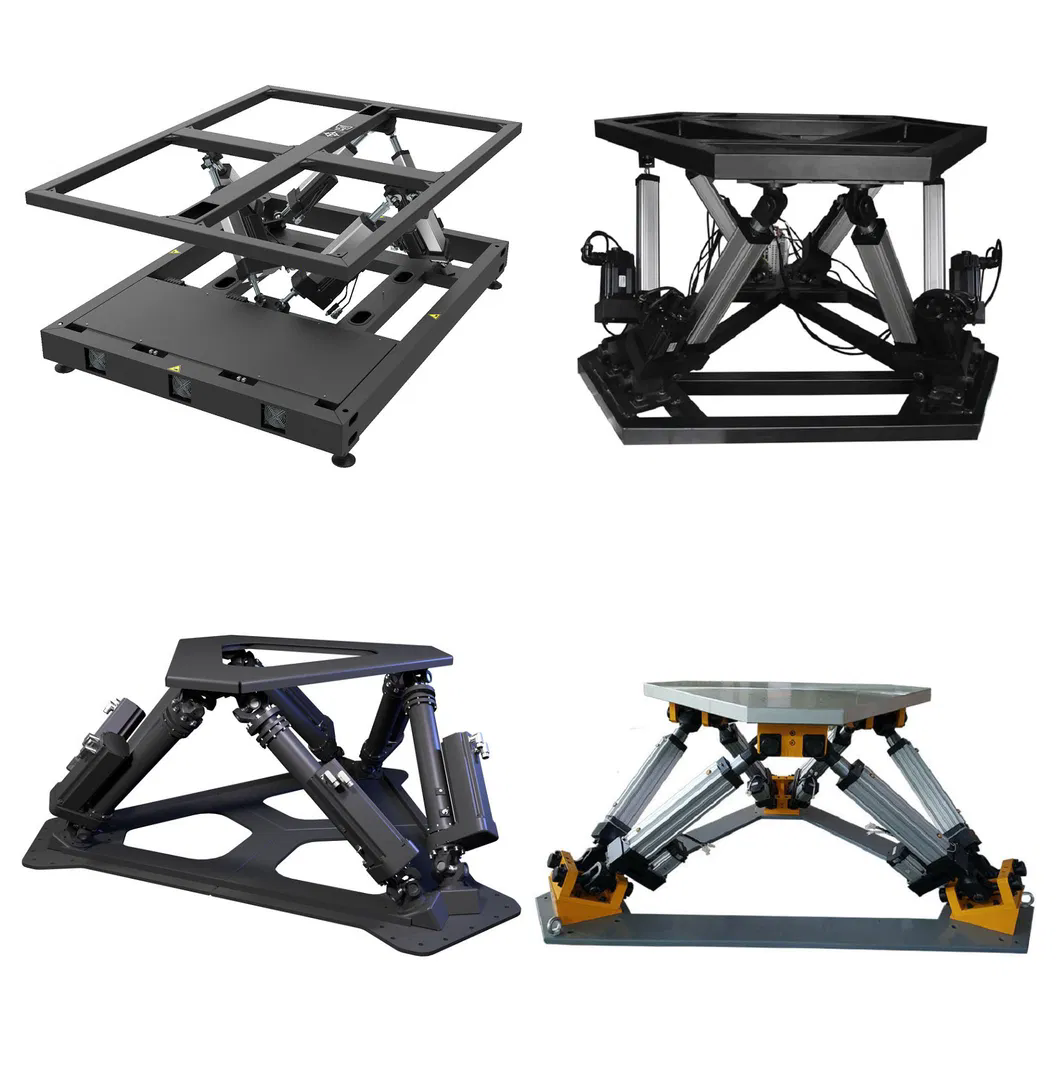
VR Equipment 6DoF Metal Motion Platform Flight/Drive Simulator
Six degrees of freedom electric servo actuator system mounted on heavy-duty industrial structural steel base plate.
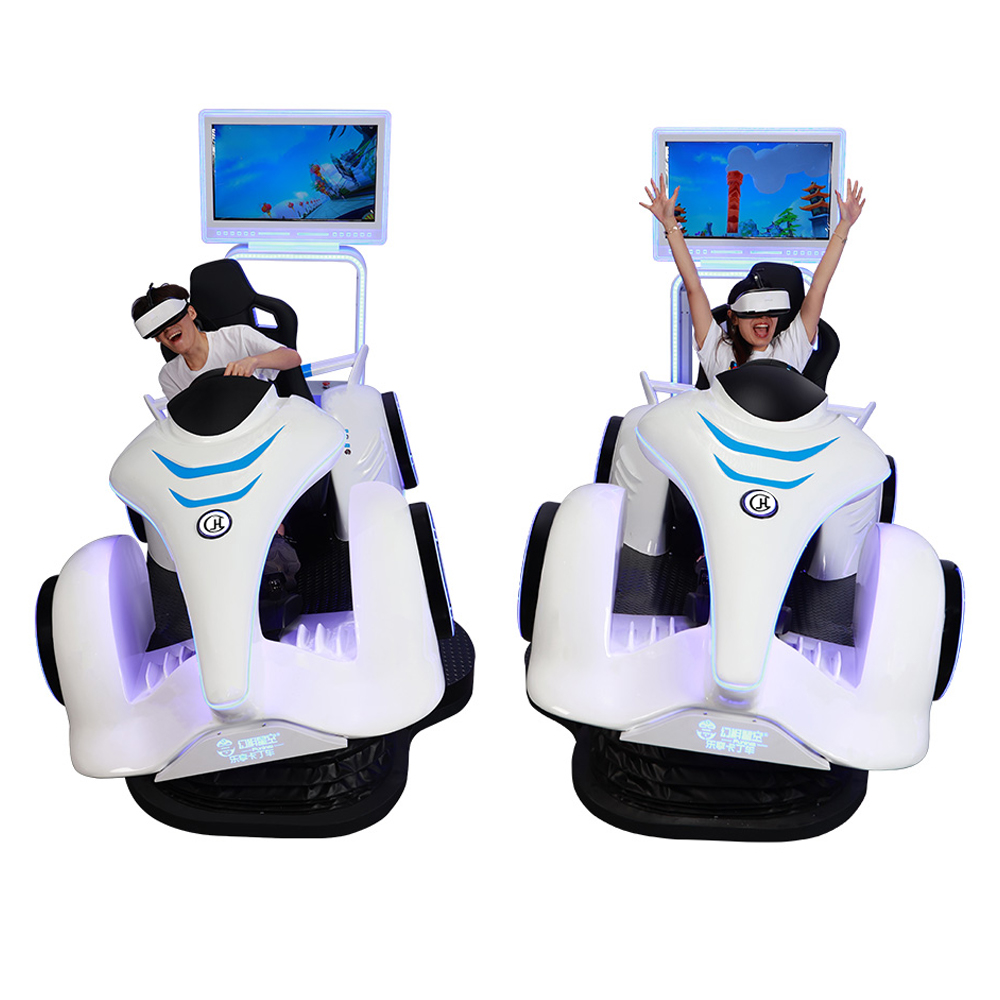
9D VR Indoor Truck Driving Simulator VS600M Metal Material
Full-scale commercial driver training cabin fabricated with CNC-bent sheet metal and industrial motion controls.
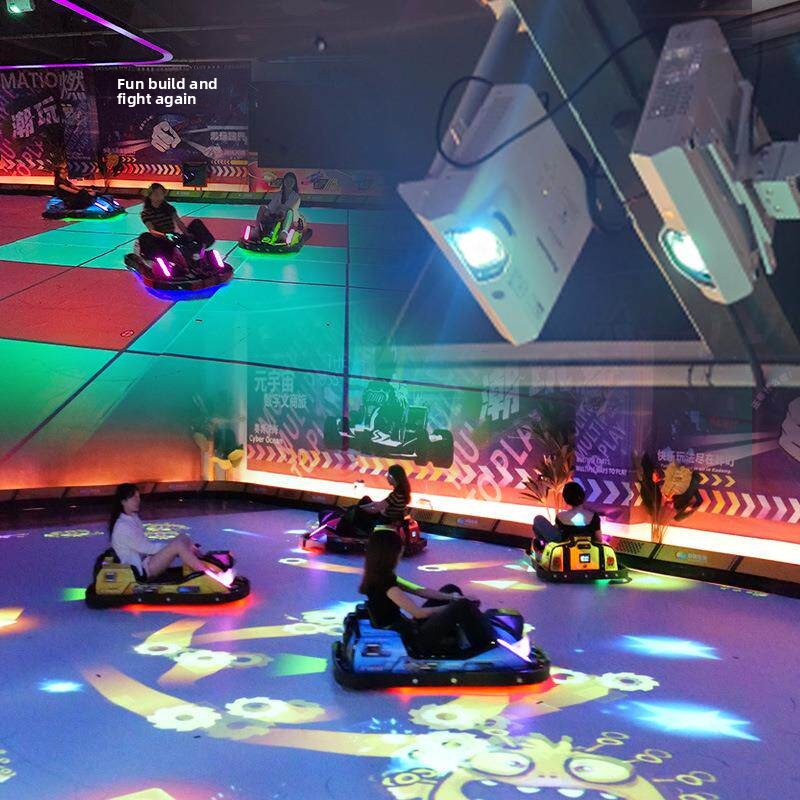
Light & Shadow VR Kart Projection Interactive Bumper Car
AR holographic tracking bumper car system featuring custom-bent protective steel outer frame ring.
TÜV Rheinland Onsite Verified Manufacturing
Our 2,000 m² heavy machinery assembly base in Guangzhou operates under strict ISO-compliant production standards and third-party verification, supplying high-performance equipment to global markets.
OEM/ODM Customization
Full customization covering heavy metal cabinet structure, stroke specs, control software UI, language localization, and hydraulic/electric drive integration.
Rigid Quality Control
Every piece of machinery undergoes pre-shipment structural stress evaluation, multi-axis motion burn-in testing, and precision laser alignment checks.
Seaworthy Export Packing
Exported units ship in fumigation-free plywood crates, equipped with motion-axle locking transport brackets, vacuum packaging, and optical shock protection.
Selecting Top Press Brake Manufacturers & Industrial Exporters
An engineering guide on CNC sheet metal bending machinery, structural frame rigidity, hydraulic vs. servo-electric drive dynamics, and international procurement benchmarks.
1. The Engineering Foundations of High-Precision Press Brakes
In modern sheet metal fabrication and structural enclosure manufacturing, press brakes serve as the core backbone of metal forming operations. Whether bending structural carbon steel for heavy industrial machinery chassis, stainless steel enclosures for electronic control units, or precision aluminum brackets, the performance of a press brake hinges on three primary criteria: deflection compensation (crowning accuracy), ram positioning repeatability, and frame structural stiffness under peak tonnages.
Leading global manufacturers utilize Finite Element Analysis (FEA) during the structural engineering phase to eliminate frame flexing under heavy load. A high-rigidity mono-block welded frame—stress relieved via thermal annealing—prevents angular distortion across the full bending length (typically ranging from 1,250 mm to 6,000 mm and tonnages from 40 Tons to 1,000+ Tons).
- Electro-Hydraulic Servo Press Brakes (Synchro CNC): Utilizing dual proportional valves and optical linear encoders (Y1, Y2 axes) for closed-loop real-time ram monitoring, delivering positioning accuracy within ±0.01 mm.
- Pure Servo-Electric Press Brakes: Eliminating hydraulic oil degradation, offer up to 50% energy savings, ultra-fast stroke cycle times, and exceptionally low maintenance costs for light-to-medium gauge precision bending.
- Hybrid Servo-Hydraulic Brakes: Combining the high-force output of hydraulic systems with the energy efficiency and dynamic acceleration of servo motor-driven pumps.
2. Multi-Axis CNC Backgauge Systems & Tooling Integration
The flexibility of a modern press brake is determined by its CNC backgauge configuration. Basic 2-axis (X, R) systems suffice for standard box forming, while advanced 6-axis (X1, X2, R1, R2, Z1, Z2) independent backgauges enable complex conical bending, asymmetrical parts, and automated step bending without manual repositioning.
Furthermore, standardizing tooling clamping interfaces—such as Euro-Style (Amada/Promecam), Wila/TRUMPF precision tooling, or heavy-duty American traditional clamping—directly impacts job setup times. Hydraulic and pneumatic fast-clamp systems reduce tool changeovers from 30 minutes to under 2 minutes, drastically increasing throughput in high-mix, low-volume production environments.
3. Synergy Between Metal Fabrication & Dynamic Platform Chassis Engineering
The manufacturing expertise required to build high-tonnage industrial press brakes directly translates into high-stress mechanical platform engineering. As seen in UPT Machinery's specialized production lines, high-precision CNC metal bending and laser cutting are essential for constructing structural frames utilized in heavy-duty 6-DoF (Six Degrees of Freedom) flight and driving motion platforms, simulator consoles, and industrial training cabins.
When selecting a qualified equipment exporter, global buyers must evaluate the vendor's underlying metal fabrication infrastructure: tube laser cutters, heavy CNC bending presses, robotic welding stations, and automated powder coating lines guarantee structural durability and long-term operating stability under extreme cyclic vibration loads.
Future Sourcing & Procurement Trends (2026–2030)
Strategic technology developments reshaping sheet metal fabrication, press brake manufacturing, and automated motion platform sourcing worldwide.
1. Automated Robotic Bending Cells & Unattended Operation
Global labor shortages and rising operating costs are accelerating the adoption of fully autonomous robotic press brake bending cells. Integrated 6-axis industrial robots equipped with magnetic or vacuum grippers automatically load sheet metal blanks, execute complex multi-bend sequences, perform continuous angle measurement, and palletize finished components without human intervention.
2. Real-Time Laser Angle Measurement & Closed-Loop Compensation
Variation in sheet metal thickness, springback, and material yield strength can cause bending angle errors. Next-generation press brakes incorporate non-contact real-time laser angle sensors. The sensor scans the bend angle during deformation and feeds signals back to the CNC controller to adjust ram depth on-the-fly, ensuring accurate first-part-correct bending.
3. IoT Telemetry, Remote Diagnostics & Predictive Maintenance
International machinery exporters are increasingly outfitting equipment with edge-computing IoT modules. Sensor data monitoring hydraulic oil temperature, system pressure, motor current draw, structural stress, and linear encoder feedback are streamed to cloud analytics engines, enabling remote factory diagnostics and preventing unscheduled downtime before mechanical failures occur.
4. Transition to Green Manufacturing & Energy Efficiency
Energy consumption is now a primary KPI for factory equipment procurement. Hybrid servo-hydraulic drive systems reduce electricity usage by up to 60% compared to traditional constant-speed motor hydraulic systems by stopping the hydraulic pump during standby phases, while simultaneously lowering hydraulic fluid volume requirements and thermal stress.
Key Engineering Breakthroughs in Modern Machinery Manufacturing
How state-of-the-art metal forming, CNC precision control, and structural dynamics are setting new benchmarks for exporter qualifications.
Dynamic Mechanical Crowning
Automated CNC mechanical crowning systems utilize precisely calculated offset wedges driven by dedicated servo motors, providing real-time deflection compensation across the bed length without the seal degradation risks associated with hydraulic crowning cylinders.
3D Offline Programming & Simulation
Advanced CAD/CAM offline software enables programmers to import 3D STEP files, automatically calculate bending sequences, detect tool collision paths, and determine precise flat blank lengths prior to running physical sheet metal on the shop floor.
Modular Structural Platform Design
Industrial machinery builders utilize standardized modular heavy-gauge steel chassis. This design methodology accelerates custom OEM production cycles, optimizes container space utilization during ocean freight, and simplifies replacement of wear components over time.
Frequently Asked Sourcing & Engineering Questions
Essential answers for international buyers, procurement officers, and machinery distributors evaluating trusted press brake manufacturers and heavy industrial exporters.
How do I calculate the required press brake bending tonnage for my project?
Press brake bending tonnage depends on material tensile strength, sheet thickness (t), bending length (L), and die opening (V-width, typically 8x material thickness for mild steel). The standard formula for air bending mild steel (450 MPa tensile strength) is: Tonnage = (1.42 * Tensile Strength * t^2 * L) / V. For stainless steel, multiply the calculated tonnage by 1.5; for aluminum, multiply by 0.5.
What is the primary difference between hydraulic and all-electric servo press brakes?
Hydraulic press brakes use fluid pressure via hydraulic cylinders to drive the ram, offering high tonnage capabilities at a lower upfront capital cost. All-electric servo press brakes drive the ram using servo motors and high-precision ball screws or belts, providing higher speed, sub-micron positioning accuracy, zero hydraulic fluid handling, quiet operation, and up to 50% energy savings, making them ideal for high-precision light-to-medium gauge forming.
How does TÜV Rheinland verification protect international machinery buyers?
TÜV Rheinland onsite verification validates that the manufacturing facility, physical workshops, production lines, legal business status, engineering staff headcount, quality control processes, and export shipping records have been independently audited on site. This transparent verification protects global buyers from unverified trading entities and guarantees genuine manufacturing capability.
What customization (OEM/ODM) options can be specified during ordering?
OEM and ODM support covers customized stroke length, open height, throat depth, CNC control unit selection (Delem, Cybelec, ESA), multi-axis backgauge configurations (X, R, Z1, Z2, X-Prime), automatic tool clamping systems, safety light curtains, custom paint/branding, electrical voltage matching (220V/380V/440V 3-Phase), and specialized structural chassis modifications for heavy industrial applications.
How are heavy machinery and motion platform systems protected during ocean shipping?
To prevent damage during international container freight, all moving parts and motion axles are locked with heavy transport brackets. Critical electrical enclosures, CNC controllers, and polished surfaces are wrapped in anti-corrosion moisture-proof barriers and packed into solid, fumigation-free plywood export cases with structural steel skid bases for forklift and crane handling.
What technical support and warranty services are provided after export delivery?
Comprehensive export shipments include complete electrical wiring schematics, mechanical BOM manuals, step-by-step unboxing/installation videos, and spare parts kits. Technical engineers provide remote commissioning guidance, live video troubleshooting, PLC/software upgrades, and fast-track replacement part dispatches via international express couriers.
Request Equipment Quotation & Technical Specifications
Partner with a TÜV-verified manufacturer for high-precision machinery, custom sheet metal fabrication, and advanced motion simulator systems. Submit your floor plan or engineering drawings today.