Featured Packaging & Interactive Automation Systems
Discover certified high-precision packaging machinery, custom robotic platforms, and advanced digital integration equipment engineered for global commercial operations.
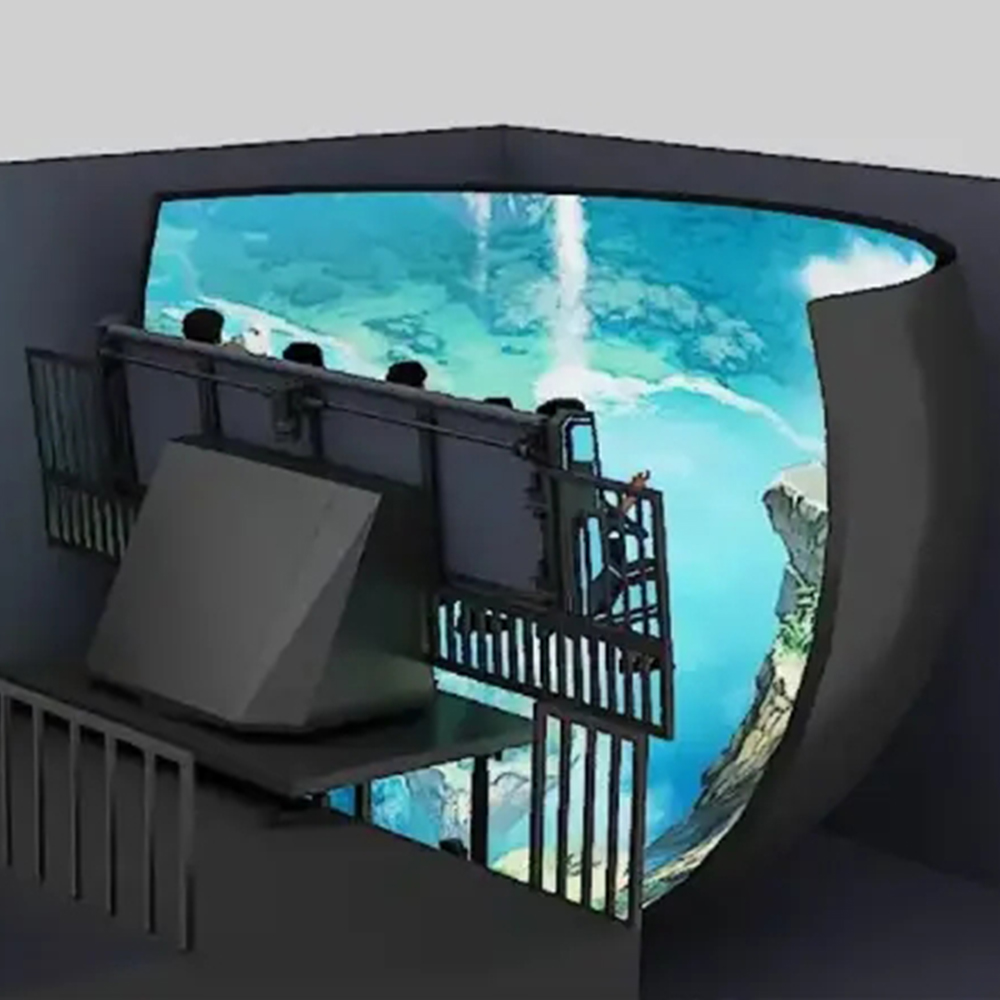
Flying Cinema 5D/7D/9D Smart Metaverse VR System Customizable Simulator
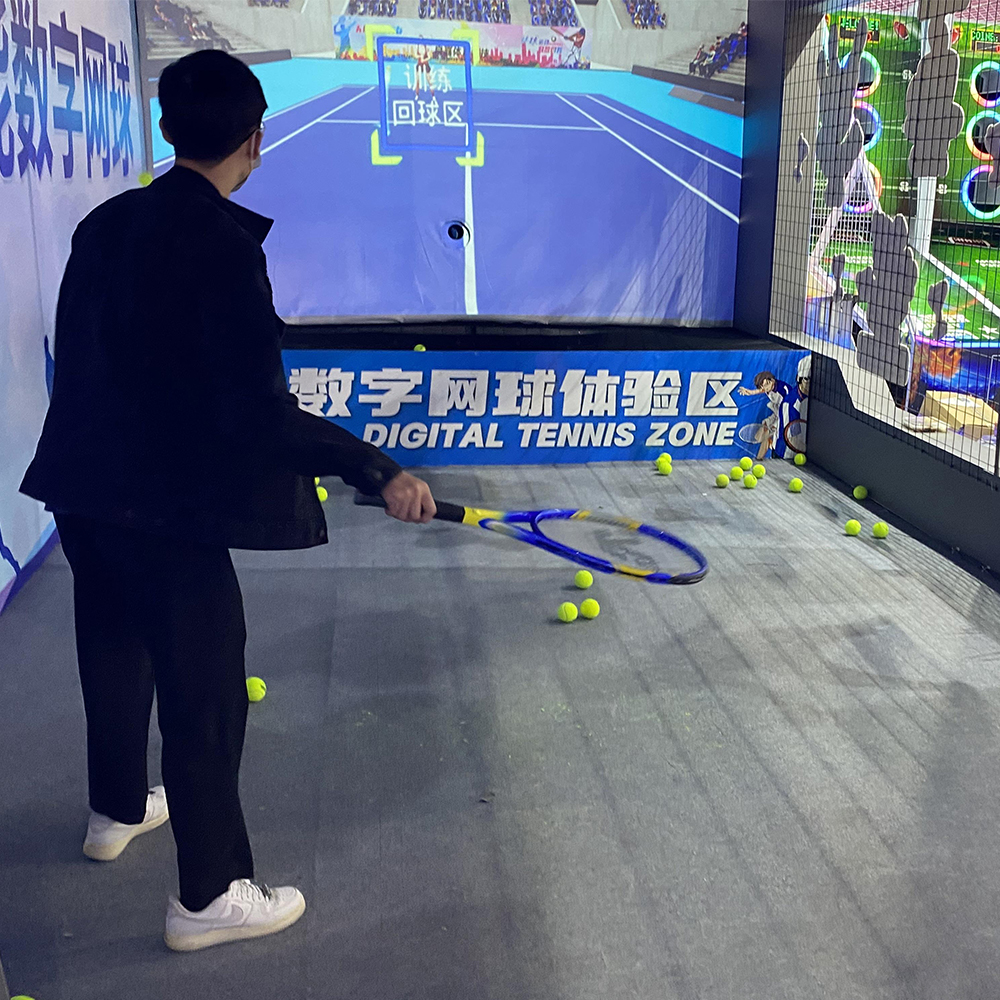
Indoor Paddle Tennis Simulator Trainer Steel Construction Showcase

Children's Indoor AR Football Penalty Game Shootout Simulator

LED Waterproof Outdoor Gravity Inductive Interactive Floor Tile Light
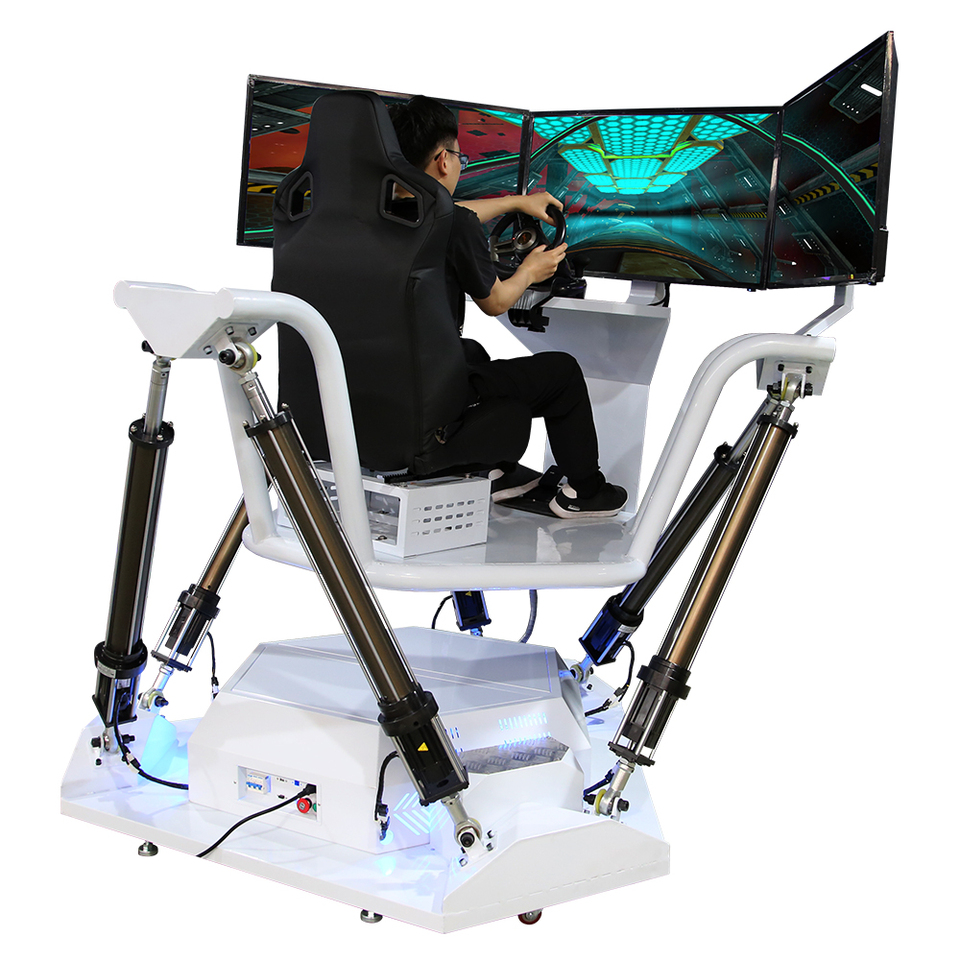
High-Tech 9D 3Dof/6Dof Indoor VR Car Driving Simulator Equipment

Interactive Tennis Padel Wall Indoor Simulator Digital Equipment
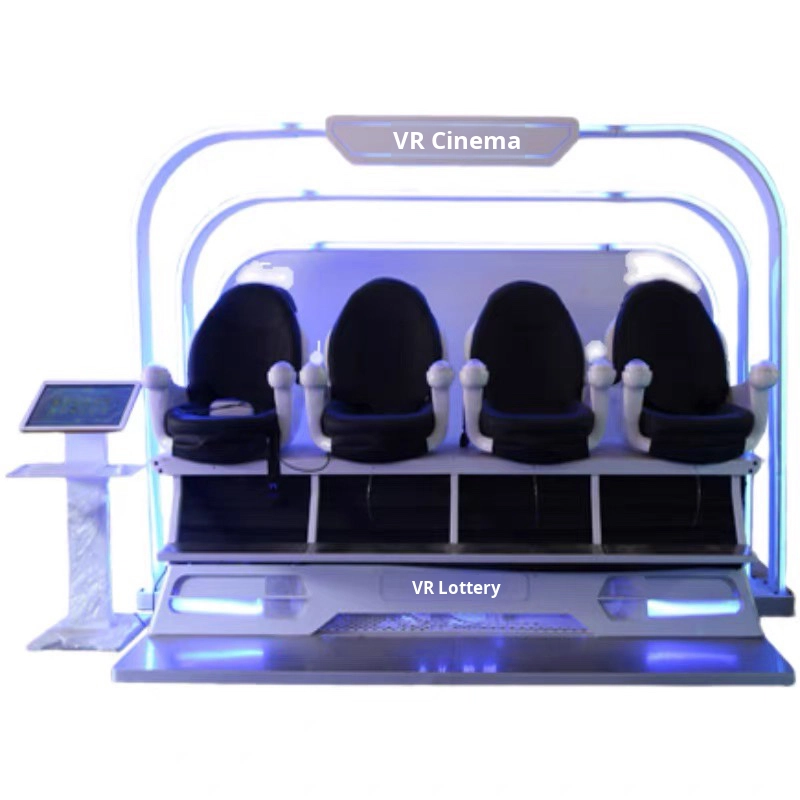
All-In-One 9D Theater VR Game Console Somatosensory Virtual Reality
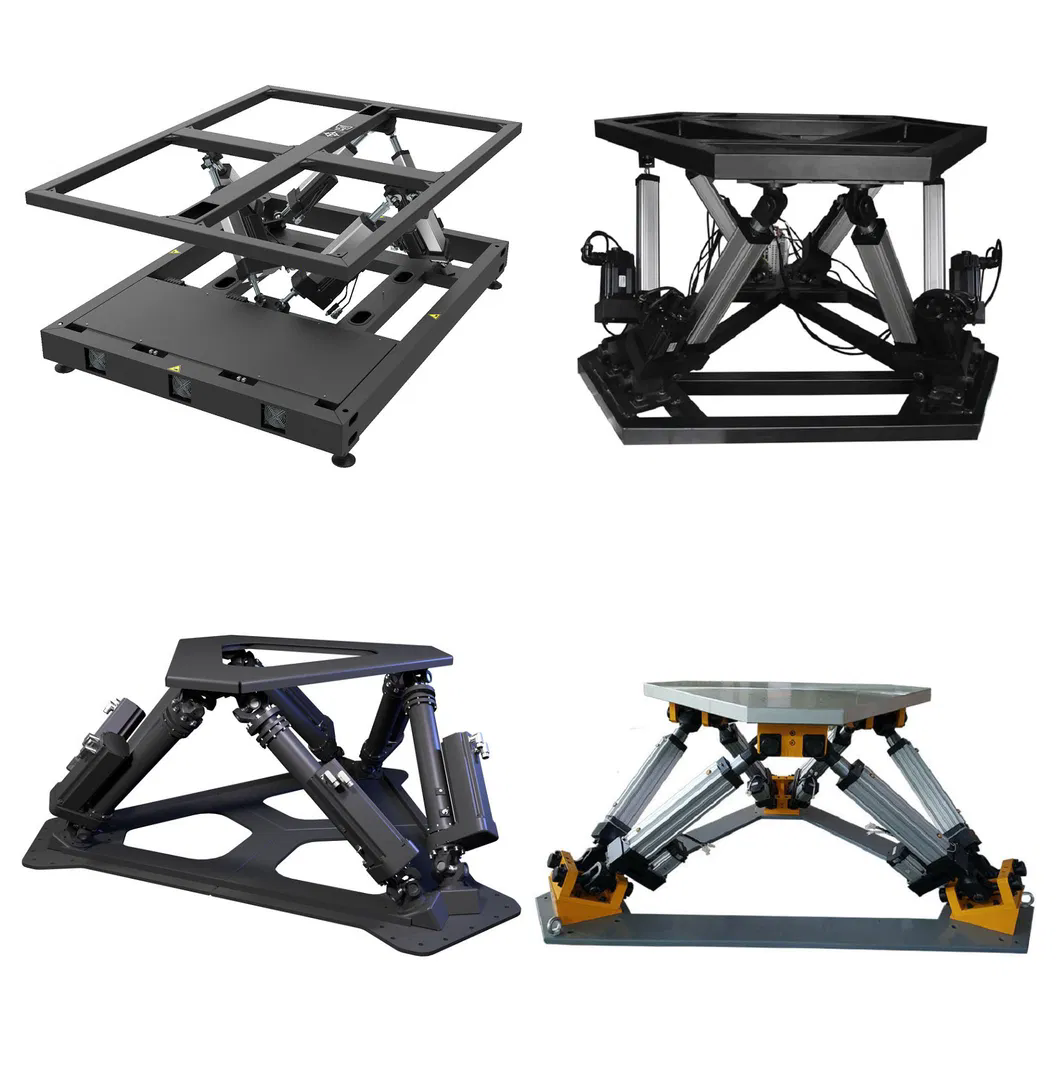
VR Equipment 6Dof Metal Motion Platform Flight/Drive Simulator
CE Certification Standards for Automated Packaging Machinery
Understanding international compliance, safety architecture, and quality assurance protocols for industrial packaging equipment imported into the European Economic Area (EEA) and global regulated markets.
Regulatory Compliance Baseline: CE Marking & Legal Mandates
Procuring industrial packaging machinery requires rigorous technical verification. CE Certification is not merely a trading mark; it represents documented compliance with stringent European Union Directives. Qualified CE-certified packaging machine manufacturers must construct technical files (TCF) validating adherence to Machinery Directive 2006/42/EC, Electromagnetic Compatibility (EMC) Directive 2014/30/EU, and Low Voltage Directive (LVD) 2014/35/EU.
EN ISO 12100:2010 Risk Assessment
Comprehensive risk evaluation integrated during the structural design phase, reducing mechanical hazard zones, pinch points, and operational risks across form-fill-seal, wrapping, and carton packaging automation.
EN 60204-1 Electrical Safety
Strict electrical architecture compliance specifying emergency stop circuits (Cat 3/4 PLd/PLe under ISO 13849-1), short-circuit protection, IP-rated enclosures, and insulated ground bonding protocols.
TÜV Rheinland Verification
Independent third-party audits confirming manufacturing processes, structural welding integrity, electrical assembly safety, and operational performance baseline tests prior to factory clearance.
| Evaluation Parameter | Fully Compliant CE Certified Packaging Supplier | Non-Certified / Standard Machinery Supplier |
|---|---|---|
| Safety Circuitry (ISO 13849-1) | Dual-channel safety relays, light curtains, interlocked guards (PLd/PLe rating) | Single-channel standard wiring without redundant safety monitoring |
| EMC Mitigation | Line filters, shielded servo cables, grounded enclosure shielding preventing RF interference | Unshielded cable routing prone to sensor cross-talk and controller reset errors |
| Documentation Package | Complete EU Declaration of Conformity (DoC), Risk Assessment, TCF, Wiring Schematics | Basic operating manual without certified risk analysis or electrical compliance files |
| Pneumatics & Hydraulics | ISO 4414 / ISO 4413 compliant pneumatic systems with automatic pressure relief valves | Standard pneumatic lines lacking lockable isolation switches for maintenance safety |
| Global Customs Clearance | Seamless import clearance into EU, UKCA, North America (UL components options) | High risk of customs detention, mandatory modifications, or port entry rejection |
Future Procurement Trends in Automated Packaging Equipment
Strategic insights for procurement directors, system integrators, and plant operations executives preparing for next-generation automated packaging infrastructure.
1. Hyper-Modular Kinematics & Multi-Axis Servo Integration
Modern production facilities are transitioning away from centralized mechanical drive shafts toward decentralized multi-axis servo drive architectures. Modular packaging units allow rapid line reconfigurations, switching between pouch formats, carton sizes, and shrink-wrap styles in minutes via pre-programmed HMI recipes.
2. AI-Assisted Vision Inspection & Zero-Defect QA
Integrating high-speed line cameras with deep learning algorithms enables real-time monitoring of seal integrity, fill-volume precision, optical character recognition (OCR) for batch codes, and immediate rejection of damaged packaging, driving defect rates down to near zero.
3. Sustainable Material Compatibility (Mono-Films & Bio-Plastics)
Global environmental mandates demand packaging machinery capable of handling thin-gauge recyclable mono-materials (PE/PP), compostable PLA films, and paper-based barriers without film distortion or thermal sealing failure, requiring precise heating control zones.
Industry & Product Development Trends
Technological innovations shaping the efficiency, reliability, and digital footprint of commercial packaging systems.
Industry 4.0 IoT Edge Connectivity
Modern packaging machines serve as smart data nodes. Equipped with OPC UA and MQTT communication protocols, equipment transmits real-time Overall Equipment Effectiveness (OEE) metrics, temperature telemetry, and cycle counters directly to ERP/MES enterprise systems.
Predictive Maintenance Sensor Arrays
Vibration analysis sensors on drive gearboxes and thermal imaging sensors on sealing jaws detect wear patterns prior to failure. Automated alert triggers prevent unscheduled downtime and optimize maintenance cycles.
Sanitary Hygienic Design (IP65 / IP69K)
Stainless steel (SUS304 / SUS316L) structural framing featuring sloped surfaces, continuous stitch welds, and washdown-rated electrical enclosures ensuring compliance with food contact and pharmaceutical hygiene standards.
HMI Touchscreen Usability & Remote Tele-Service
Intuitive multi-language industrial human-machine interfaces (HMI) equipped with secure VPN routers allow factory engineers to perform remote firmware updates, control tuning, and diagnostics worldwide.
Enterprise Manufacturing Infrastructure & Direct Factory Advantages
Leveraging over 2,000 m² of verified assembly space, in-house R&D, and complete supply chain transparency to support custom ODM/OEM equipment requirements.
Custom Manufacturer & ODM Capability
Operated by a dedicated engineering team of 69+ specialists, offering bespoke cabinet structure designs, motion stroke customization, PLC control UI personalization, and complete mechanical adaptations tailored to client floorplans.
Verified Onsite Inspection by TÜV Rheinland
Our manufacturing base, assembly capacity, raw material inspection workflows, and transaction history are verified on-site by third-party auditors from TÜV Rheinland, providing complete sourcing security.
Export-Grade Protective Packaging
Every equipment unit undergoes functional load testing prior to crating. Mechanical axes are locked with heavy-duty transit brackets, delicate optics and screens are foam-shielded, and machines ship in fumigation-free export plywood cases.
Exhaustive Procurement FAQ
Addressing technical, legal, and operational queries commonly raised during international procurement of automated machinery.
How do I verify the authenticity of a packaging machine supplier's CE Certification?
Authentic CE compliance requires more than a standard certificate paper. Buyers should request the technical construction file (TCF) summary, the official Declaration of Conformity (DoC) listing applicable harmonized standards (such as EN 60204-1 and EN ISO 12100), and check whether the issuing notified body (e.g., TÜV, SGS) is accredited on the European Commission NANDO database.
Are custom voltage configurations available for different destination markets?
Yes. As a custom manufacturer, all electrical systems—including main transformers, servo drives, frequency converters, and PLC power modules—can be wired to match local industrial power grids (e.g., 220V Single Phase, 380V Three Phase 50Hz, 460V/480V Three Phase 60Hz).
What warranty and after-sales spare parts support are provided?
Equipment shipments include complete electrical wiring diagrams, installation video guides, and a standard wearable spare-parts kit. Technical support includes remote engineer commissioning via VPN, diagnostic assistance, and express air freight replacement for critical components.
What is the typical production lead time for customized packaging machinery?
Standard model configurations require approximately 15 to 20 business days. Custom ODM projects involving specialized structural frames, custom loading conveyors, or specific multi-head weighers generally require 30 to 45 business days including full pre-shipment burn-in testing.
How does the factory prevent equipment corrosion during ocean freight transport?
All machinery surfaces are treated with protective anti-rust coatings, vacuum sealed in heavy-duty moisture-barrier foil bags with industrial desiccants, and securely bolted inside fumigation-free export plywood cases designed to handle containerized sea transport.
Request Technical Specifications & Factory Quote
Connect directly with our engineering sales team to discuss project requirements, obtain floorplan layout CAD drawings, or schedule a virtual live factory audit.