Featured Industrial & Interactive Equipment Systems
High-precision optical marking platforms, custom dynamic simulation cockpits, and AR interactive machinery engineered for demanding global deployment.
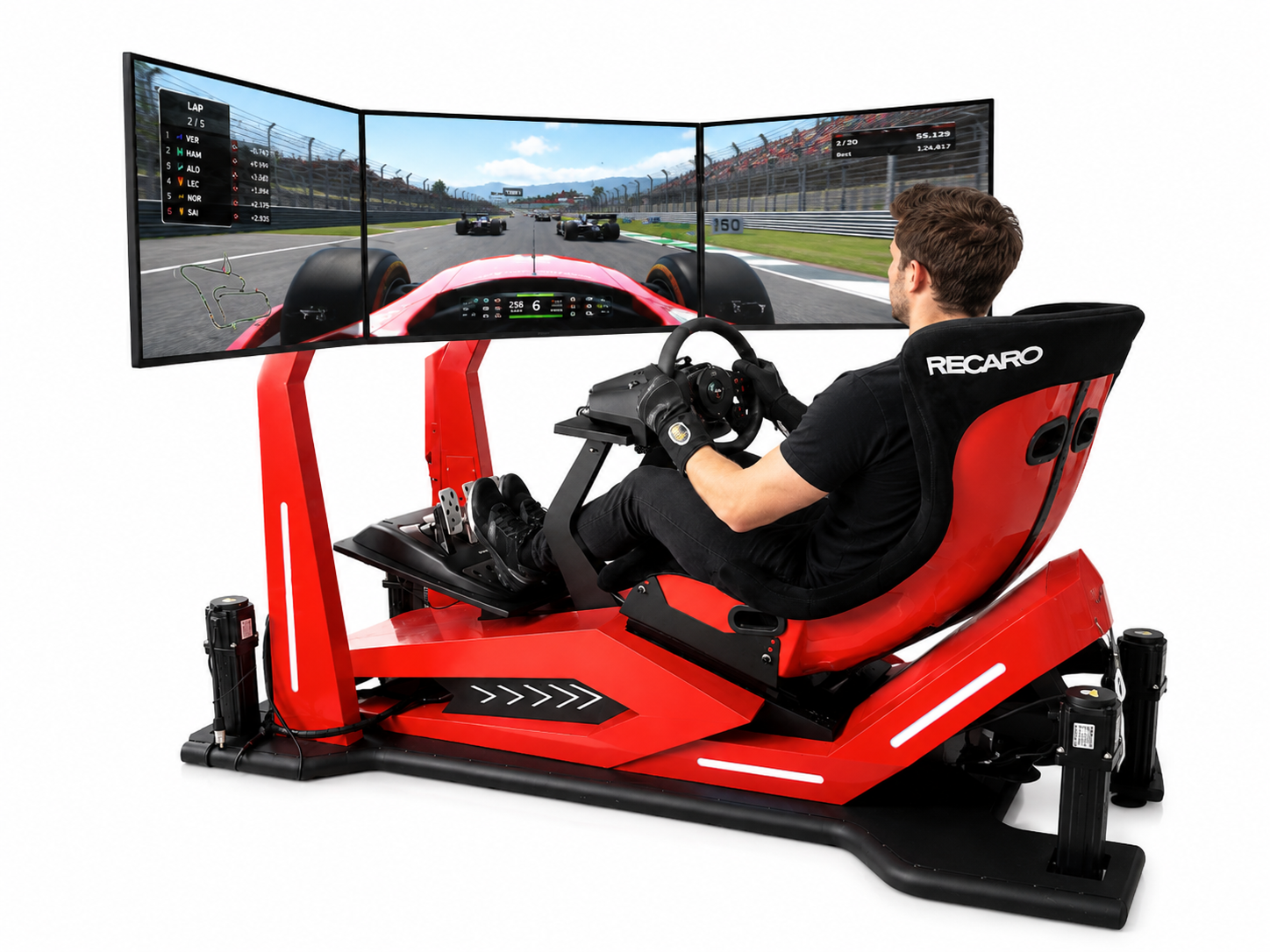
Large Motion-Sensing Cockpit Three-Screen Four-Six-Axis G-Force Dynamic Seat MR VR Equipment Racing Simulator for F1 Game
View Specifications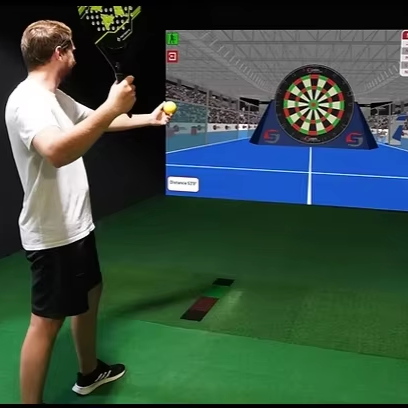
Padel Machine Indoor Ar Simulator Digital Sports Ar Tennis Padel Simulator Indoor Home Panel Tennis Simulation Game
View Specifications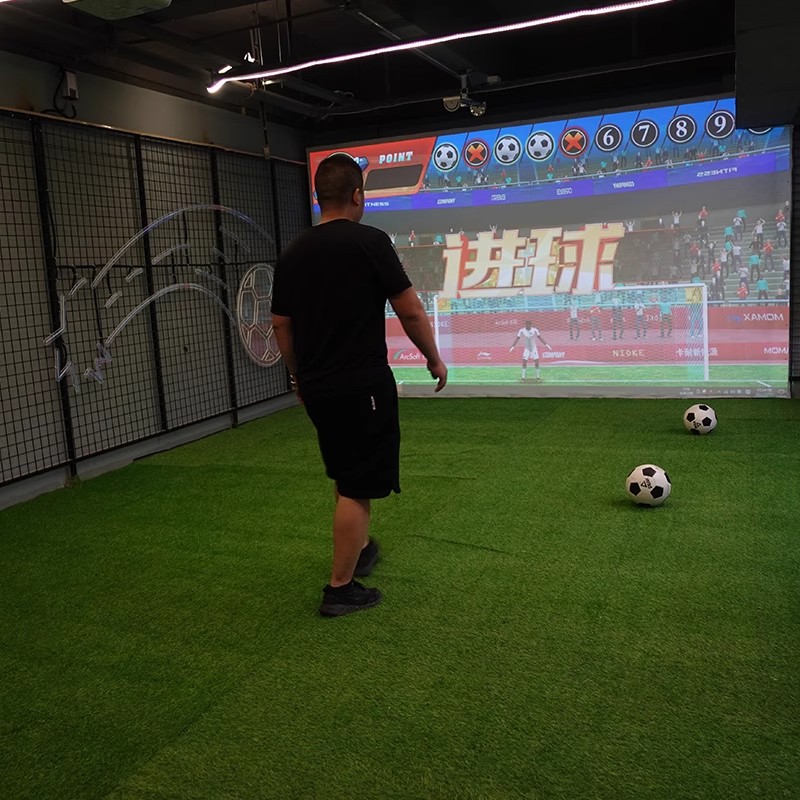
Children's Indoor AR Football Penalty Game Shootout Simulator Big Screen Projector with Metal Construction for Outdoors
View Specifications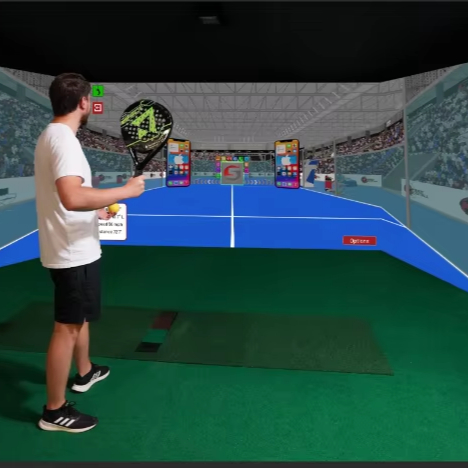
Interactive Indoor Fiberglass Metal Plastic Padel and Tennis Simulator Games From Trusted Supplier
View Specifications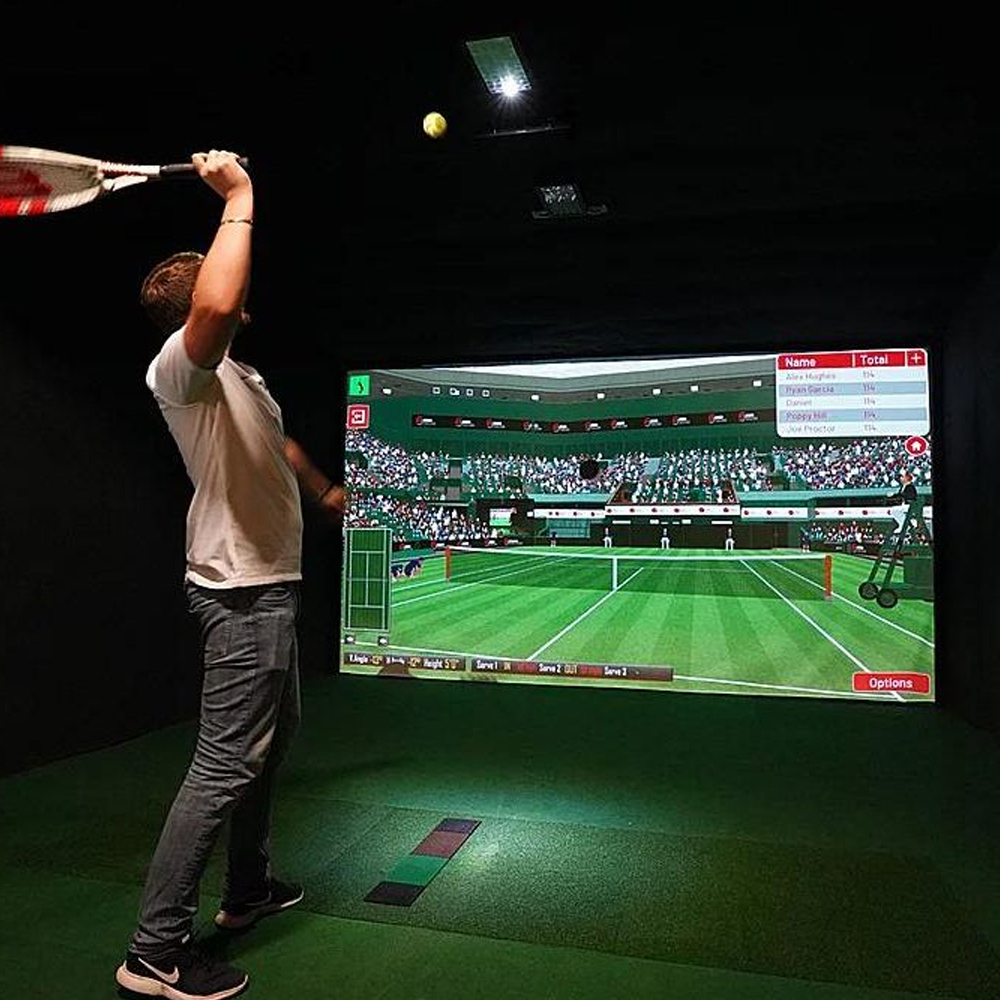
AR Interactive Indoor Football & Tennis Simulator Steel Educational Wall for Home School Mall Entertainment
View Specifications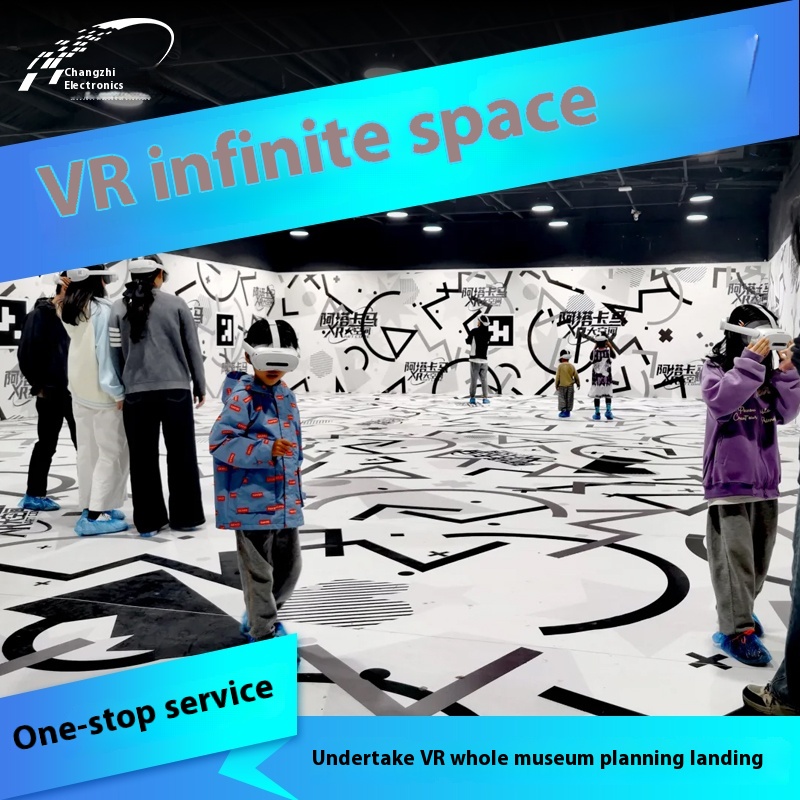
Large VR Equipment Free Simulation Game Indoor Interactive Battle Metal Walking Home Multiplayer Competitive Cooperation Online
View Specifications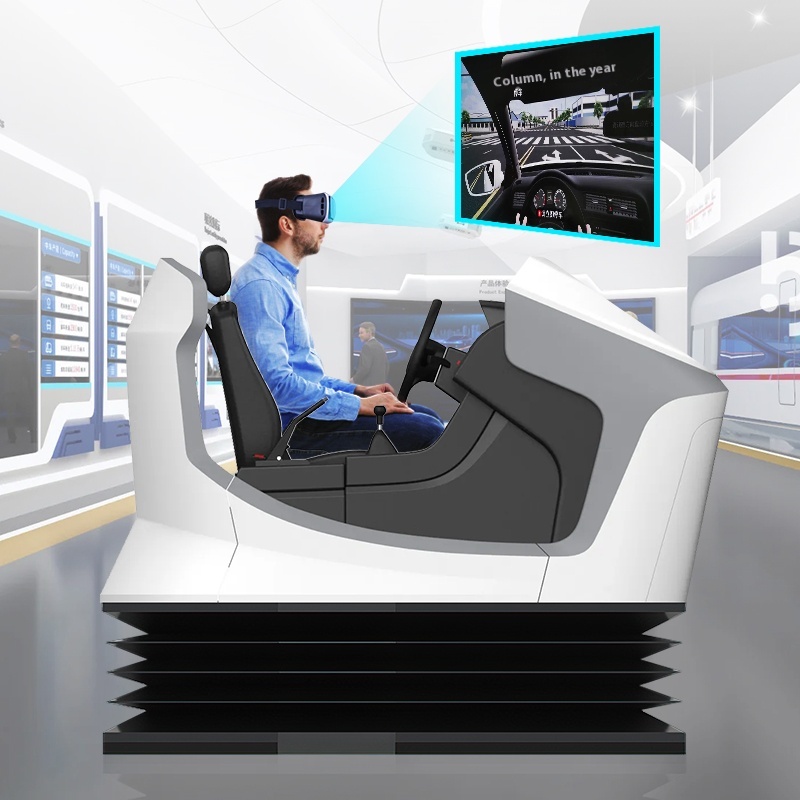
VR Car Driving Simulator Virtual Training System for Driving School & Home Shopping Mall Suitable Test Subject 2 & 3 Equipment
View Specifications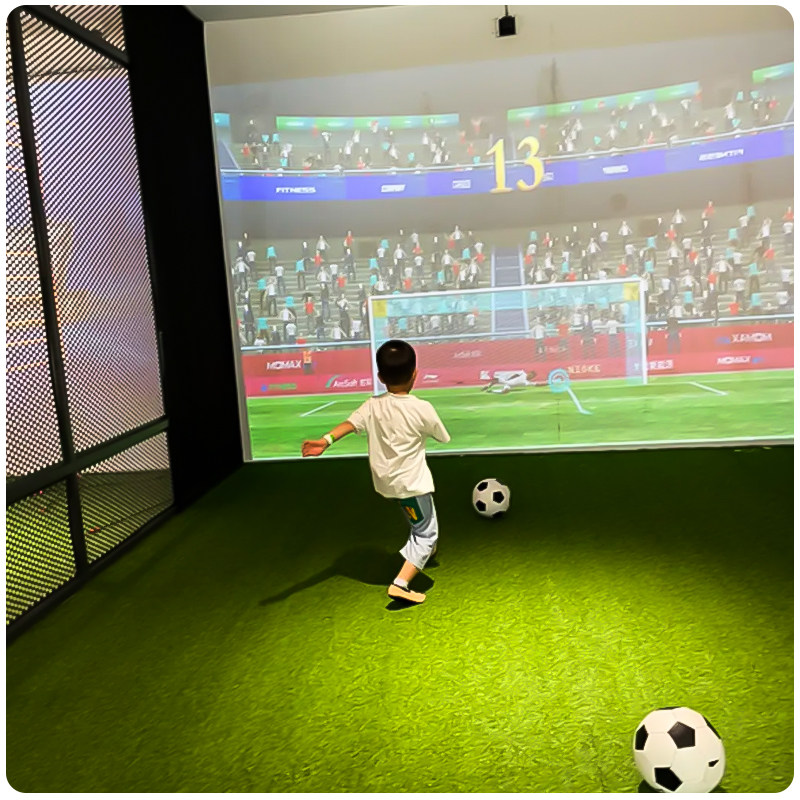
Indoor Interactive Projection Smart Simulated Football Children's Entertainment Digital Sports Kicking Game Equipment Model
View SpecificationsOEM/ODM Marking Machine Manufacturing: Operational Architecture & System Integration
An authoritative technical evaluation for enterprise procurement directors, system integrators, and industrial engineers seeking custom marking machinery manufacturing partner capabilities.
1. The Paradigm Shift in Direct Part Marking (DPM) & Industrial Traceability
In modern high-precision manufacturing—spanning automotive powertrain components, aerospace superalloys, medical devices, and consumer electronics—the requirement for permanent, micro-precise, and machine-readable traceability has transitioned from a compliance check to a fundamental operational pillar. Global supply chains mandate compliance with standards such as ISO/IEC 15415, ISO/IEC 16022 (Data Matrix), and GS1 Unique Device Identification (UDI).
Selecting an established OEM/ODM Marking Machine Factory & Supplier requires evaluating complete cyber-physical system capability rather than standalone hardware. Industrial marking systems now serve as edge-computing nodes that burn unique, verifiable digital identities (2D Data Matrix, QR codes, alphanumeric serialized strings) directly onto raw or treated substrates while integrating seamlessly into MES (Manufacturing Execution System) and ERP software via Industrial Ethernet protocols (Profinet, EtherCAT, Ethernet/IP).
Core OEM/ODM Marking Technology Architecture Comparison
| Marking Technology | Wavelength / Mechanism | Primary Substrates | Marking Speed & Precision | Thermal Impact / HAZ | OEM Integration Profile |
|---|---|---|---|---|---|
| Fiber Laser (Q-Switched) | 1064 nm (Ytterbium Pulsed) | Metals (Steel, Aluminum, Brass), Hard Plastics | Up to 12,000 mm/s (<20 µm spot size) | Moderate Heat Affected Zone (HAZ) | High-speed inline automation, high-volume metals marking. |
| MOPA Fiber Laser | 1064 nm (Adjustable Pulse 2–500 ns) | Anodized Al, Stainless Steel (Colors), Sensitive Plastics | Up to 15,000 mm/s (Ultra-fine control) | Minimal / Controllable pulse width | Precision medical device marking, black marking on anodized aluminum. |
| UV Cold Laser | 355 nm (Diode-Pumped Solid State) | Glass, Silicon, HDPE, Thermoplastics, PCB substrate | Up to 8,000 mm/s (Photochemical process) | Near Zero HAZ (Cold ablation) | Pharmaceutical packaging, semiconductor packaging, cleanroom electronics. |
| CO2 Laser System | 10.6 µm / 9.3 µm Gas Laser | Wood, Acrylic, Glass, Organic Polymers, Paper | Up to 10,000 mm/s | Substrate dependent thermal ablation | Packaging line integration, consumer goods manufacturing. |
| Pneumatic Dot Peen | Electromechanical / Carbide Stylus | Cast Iron, Structural Steel, Heavy Components | 3 to 5 characters/sec (Impact depth 0.1–1mm) | Zero thermal stress (Mechanical strain) | Heavy machinery VIN marking, casting foundries, harsh environments. |
Optical Subsystem Optimization
Our ODM engineering capabilities encompass fully dynamic optical path customization. From specialized beam expanders and high-speed digital galvo mirrors (2D/3D dynamic focusing heads) to custom Telecentric F-Theta lenses, we ensure uniform focal spot distribution across complex, non-planar 3D contoured surfaces.
Inline Vision & AI Mark Verification
Modern OEM turnkey systems feature integrated high-resolution CMOS coaxial camera modules. Algorithms perform instant Mark-Pre-Verification (verifying part alignment via OpenCV or deep-learning model) and Mark-Post-Grading according to ISO 29158 (AIM-DPM) standards in milliseconds.
Embedded Industrial Firmware & Software UI
Custom software branding (White-Label UI) allows turnkey distributors to market proprietary control software. Software modules support variable database bridging (SQL, Oracle, MS Access), dynamic serial number generation, multi-language packs, and SDK integration for C++, C#, and Python platforms.
Future Trends: Next-Generation Industrial Marking Technologies (2025–2030)
As enterprise manufacturers advance toward Industry 4.0 and smart factory architectures, the procurement requirements for OEM/ODM marking systems are evolving rapidly. Procurement managers must evaluate future-proofing factors during supplier audit selection:
1. Femtosecond & Picosecond Ultra-Short Pulse Ablation
The shift toward cold material ablation prevents micro-fractures in sensitive semiconductors and glass displays. Ultra-fast laser engines eliminate micro-cracking and thermal burrs, setting a new benchmark for electronics manufacturing.
2. Autonomous 3D Surface Topology Scanning
Sensors combined with dynamic focal galvo systems can map irregular, curved, or stepped surfaces in real-time. This eliminates the need for mechanical Z-axis indexers, dramatically reducing cycle times in automotive assembly.
3. Direct-to-Part Cyber Security Serialization
Moving beyond standard Data Matrix, next-generation systems etch encrypted micro-structures and holographic anti-counterfeiting patterns directly onto critical aerospace and defense parts to prevent counterfeit supply chain insertion.
Engineering & Custom Manufacturing Capabilities
Derived from on-site factory verification records—combining precision mechanical assembly, electrical integration, and stringent pre-shipment quality assurance.
Full OEM & ODM Tailoring
Full customization covers cabinet structural design, chassis sheet metal fabrication, optical beam path configuration, control software UI modification, customized payment/RFID integration, and content/asset management software.
Pre-Shipment Quality Protocol
Every single machine undergoes mandatory material inspection, 72-hour full-load burn-in testing, multi-axis dynamic vibration analysis, and laser power stability calibration before signing off on transport packaging.
Export Logistics Protection
Machines ship in heavy-duty, fumigation-free plywood cases with anti-vibration rubber dampeners, vacuum-sealed anti-corrosion moisture wrapping, and locked optical travel brackets to ensure zero calibration drift during ocean transit.
Frequently Asked Questions for Sourcing & Integration
Addressing the core technical, commercial, and operational queries raised by enterprise procurement officers and machinery distributors.
What is the typical lead time for custom OEM/ODM marking machine projects?
Standard modular fiber or CO2 marking machine configurations are dispatched within 7–10 working days. Fully customized ODM projects—involving automated inline conveyor integration, 3D galvo optical adjustments, robotics loading arms, or custom software UI design—typically require 20 to 30 calendar days from formal design sign-off.
How do you guarantee marking quality and Data Matrix grading standards?
Our OEM machines can be integrated with coaxial or off-axis machine vision systems running ISO/IEC 15415 and AIM-DPM verification algorithms. The software measures parameters such as cell contrast, axial non-uniformity, grid non-uniformity, and fixed pattern damage, providing immediate pass/fail feedback to the factory PLC.
What is the difference between Q-Switched Fiber and MOPA Fiber Lasers for OEM applications?
Q-Switched fiber lasers operate at fixed pulse durations (typically 100–120 ns), ideal for straightforward metal engraving and high-speed marking. MOPA (Master Oscillator Power Amplifier) lasers allow independent adjustment of pulse duration (from 2 ns to 500 ns) and frequency, enabling precise non-burning black marks on anodized aluminum, high-contrast marks on sensitive plastics, and vibrant color marking on stainless steel.
Are your machines compliant with international electrical and laser safety regulations?
Yes. All industrial marking systems manufactured by our factory adhere to CE safety directives, FDA laser device accessions (Class 1 enclosed cabinet standard or Class 4 open system integration specs), and ISO 9001 quality management guidelines. Interlock safety circuits and emergency stop relays are built-in as standard.
Can software interfaces be localized for overseas regional markets?
Absolutely. Our software engineering team provides complete SDK documentation and supports multi-language pack integration including English, Spanish, German, French, Portuguese, Russian, Arabic, and Japanese. Custom OEM software branding (logo, splash screen, color scheme) is provided upon request.
What after-sales technical support and warranty parameters are established?
We provide a comprehensive 24-month warranty on core laser sources (IPG, Raycus, JPT, MAX) and 12 months on optical/mechanical sub-assemblies. Global technical support includes remote diagnostic assistance, detailed electrical schematic documentation, video operational guides, and rapid shipment of spare parts kits.
Request a Custom Engineering Consultation & OEM Quote
Partner with a TÜV-verified manufacturer to engineer your next-generation industrial marking machinery or high-performance dynamic equipment line. Our engineering team provides detailed technical proposals, CAD drawings, and ROI modeling within 24 hours.
Send an Inquiry